
The reported operation turned a presidential departure into a test of deception, with decoy aircraft, closed window shades and an unannounced switch to another plane. The White House has acknowledged threats to Trump but has not publicly confirmed the specific account.
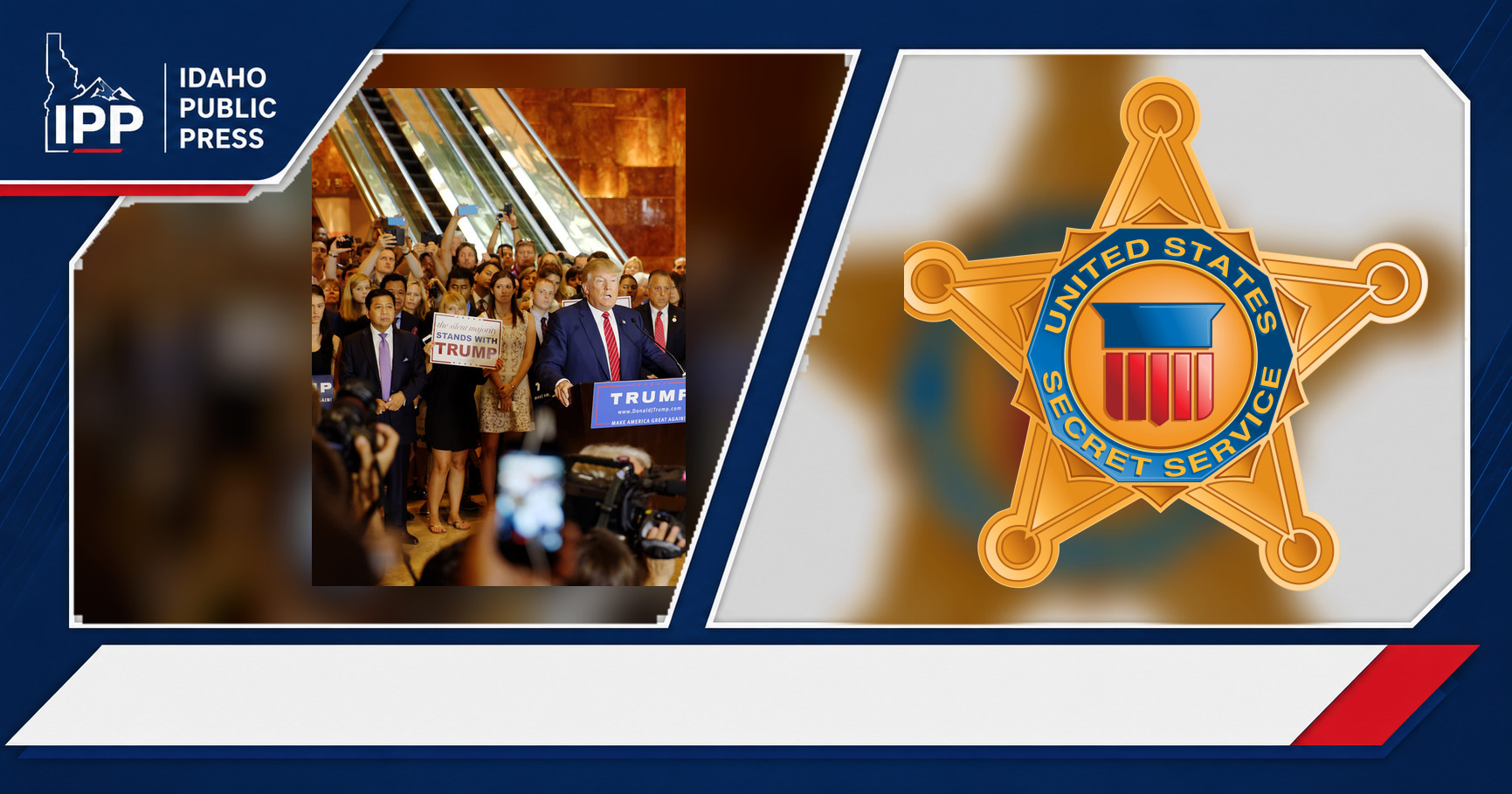
Donald Trump was reportedly secretly transported out of Turkey from Ankara using a catering truck ruse before switching to an alternate military aircraft, according to reports by The Washington Post and The New York Times. The reported operation used decoy jets to protect Trump from an Iranian assassination threat; the available accounts do not describe the U.S. Secret Service’s specific role.
The extraordinary account matters because it suggests the public itinerary for a sitting president’s return trip was deliberately false while hostilities with Iran were intensifying. The White House has cited threats against Trump and the need for “distraction and misdirection,” but it has not publicly confirmed the reported catering-truck transfer.
A departure built on misdirection
Trump had traveled to Turkey in early July for a NATO summit aboard the newer Boeing 747 that had been given to the United States by Qatar, according to the reporting summarized by USA TODAY.
As tensions with Iran rose, Trump said that aircraft would leave for the United Kingdom and that he would instead depart on the older, powder-blue Air Force One. That public account, according to The Washington Post’s reporting, was itself part of the security plan.
The older plane left Ankara with White House staff and members of the traveling press aboard, but Trump was not on it, the Post reported. A pool reporter traveling on that aircraft said the plane was wheels-up at 8:43 p.m. and that journalists had been instructed to keep the shades in their cabin closed.
That detail has drawn attention because it illustrates the basic aim of protective deception: preserve the appearance of a normal departure long enough that anyone tracking the president is following the wrong aircraft.
The catering truck account
The most striking reported element is the vehicle used to move Trump away from Air Force One. The Post said he was taken off the aircraft in a catering truck, the kind of tarmac vehicle normally associated with food and beverage service.
Using an ordinary-looking airport service vehicle would, if the account is accurate, reduce attention around a movement that might otherwise involve a conspicuous presidential motorcade or a visible walk across an airfield. The reporting does not establish how long Trump was in the truck, who was present, or the exact path it took through the airport.
Those unanswered details matter. Protective operations depend on tightly controlled timing, access and communications, and many operational specifics are generally not made public for security reasons.
USA TODAY said it sought White House comment on the reported Ankara departure ruse. No public confirmation of the catering-truck detail was included in the source material.
The aircraft switch in Ankara
Rather than fly to the United Kingdom aboard the powder-blue Boeing 747, Trump reportedly boarded a smaller Air Force C-32A, a military version of the Boeing 757 used for senior U.S. officials.
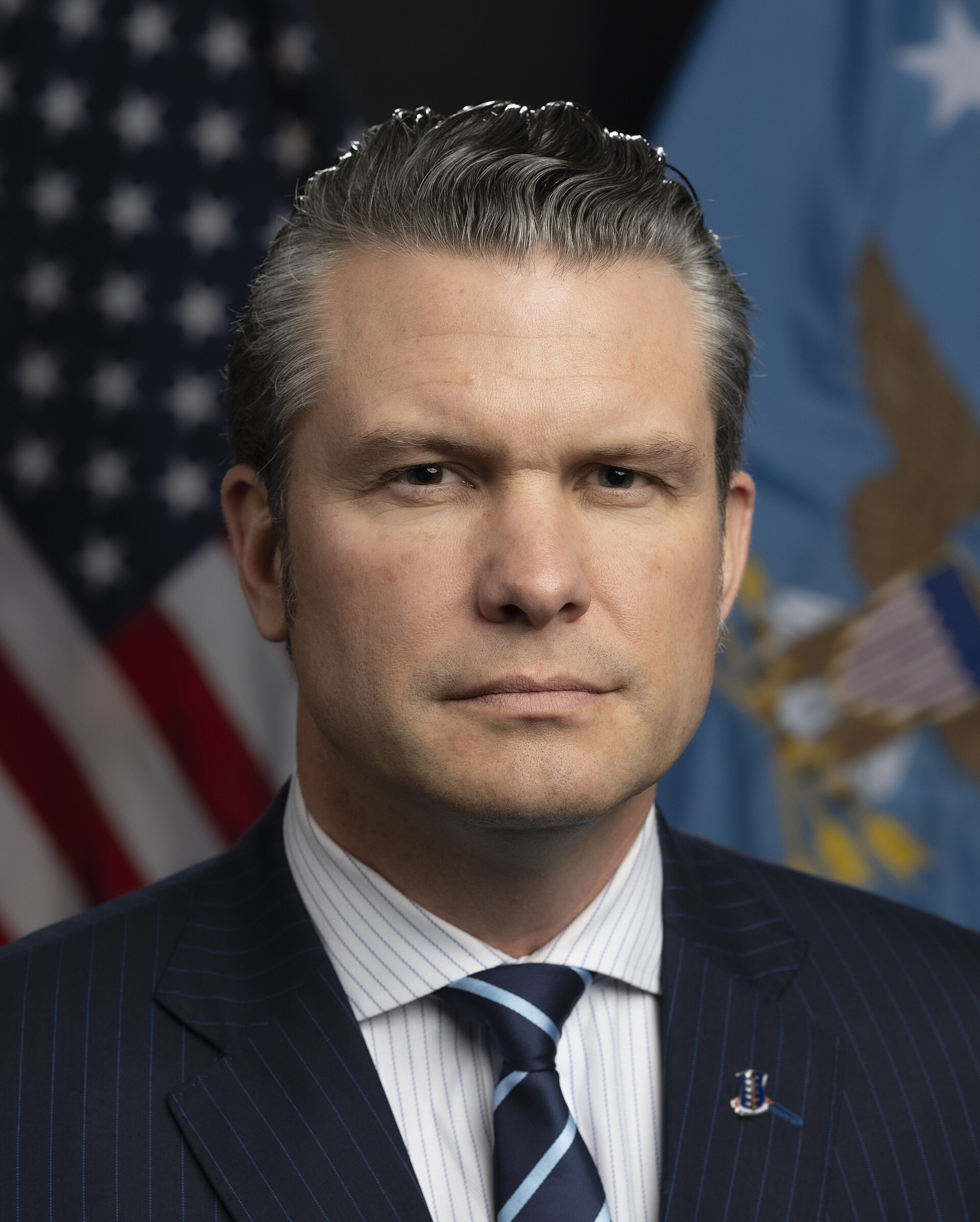
The C-32A had been part of the broader White House travel contingent. The Post reported that Defense Secretary Pete Hegseth had used that aircraft and boarded by its usual exterior stairs, helping it appear to be operating as a routine support plane.
Trump reportedly flew on the C-32A to Royal Air Force Mildenhall in Suffolk, England. From there, the public understanding had been that he and his team switched back to the newer red, white and blue 747 for the Atlantic crossing to Joint Base Andrews outside Washington.
The alternate-aircraft claim is central to the story: the reported plan did not simply conceal Trump’s movement at the airport. It created a separate travel track while the expected presidential plane carried other officials and reporters.
Iran threats shaped the calculation
The reported precautions came as the conflict between the United States and Iran was escalating. At the Turkey summit on July 8, Trump said he considered a U.S. ceasefire with Iran to be over and warned of powerful strikes to come, according to USA TODAY.
That context is why the reports frame the operation as more than a logistical curiosity. A president’s travel is already protected by extensive planning, but a credible concern about an assassination plot would raise the value of obscuring the location, route and timing of an aircraft.
White House Communications Director Steven Cheung did not verify the truck or aircraft-switch account in the statement cited by USA TODAY. He said there were “many enemies of America” with Trump in their sights and that the administration used every available tool, including distraction and misdirection, to address threats.
That response supports the broader premise that threats were being considered, while leaving open key questions about the reported operation and the intelligence behind it.
What the reports do not settle
The Post’s account cited a review of materials, an unnamed U.S. official and another person familiar with the president’s travel. The New York Times later also reported the episode. Multiple news organizations reporting the same event strengthens the public account, but it is not the same as a full official disclosure.
It remains unclear what intelligence triggered the decision, how specific the alleged Iranian plot was, whether Turkish authorities were involved in the movement, and whether the White House will describe the operation in greater detail.
There is also a tension built into any discussion of presidential security. Public transparency can help establish what happened during a consequential foreign trip, while excessive detail can expose techniques that are meant to keep a protected person safe.
For now, the clearest takeaway is narrow: reports describe Trump’s departure from Ankara as a deliberately layered deception involving a catering truck, a decoy Air Force One and a separate military plane. The White House has acknowledged the broader threat environment without publicly confirming every reported step.

Leave a Reply