
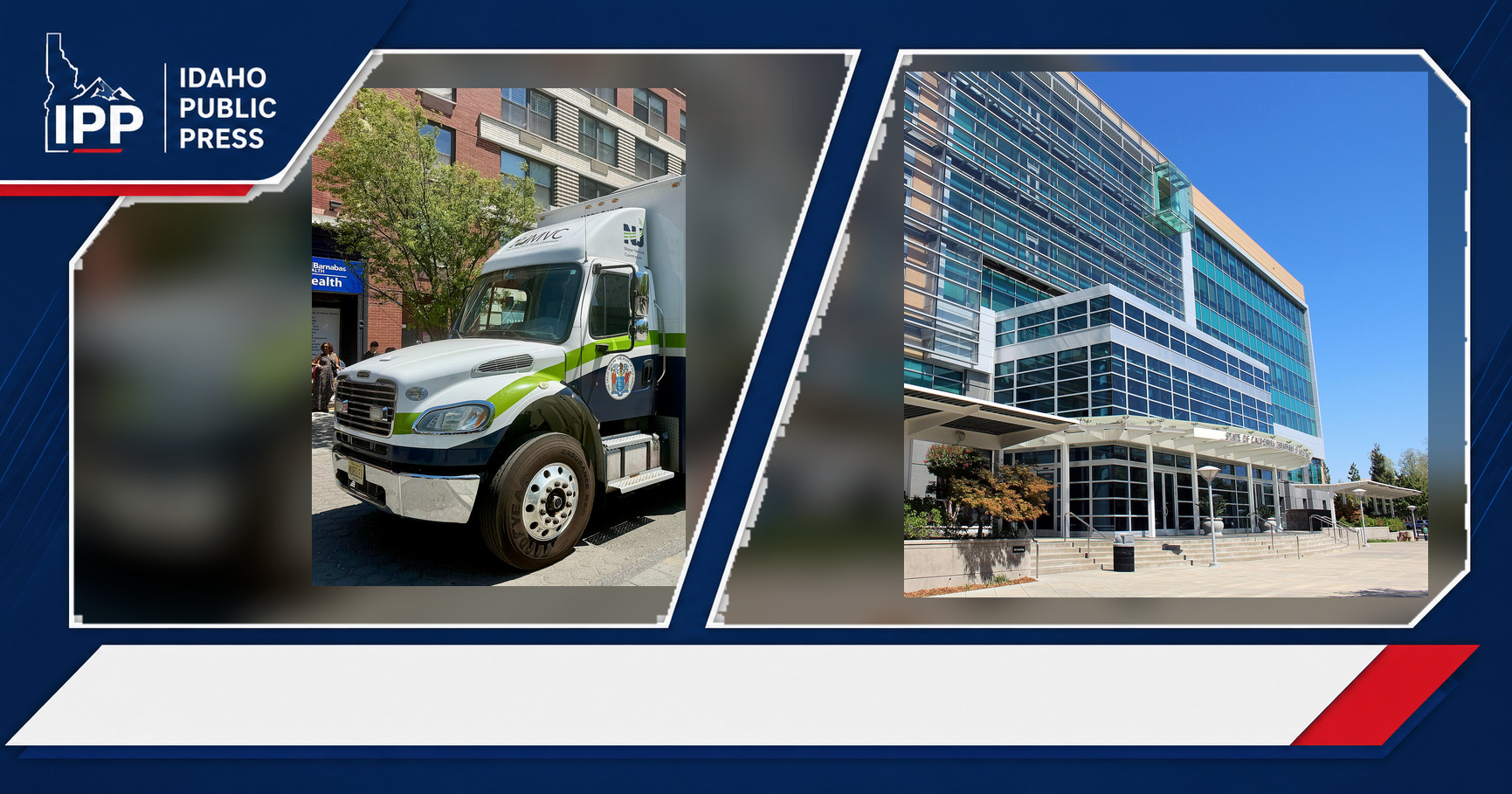
New Jersey’s voter-registration mistake has put a routine DMV transaction at the center of a larger argument about election administration. The key question is not whether motor-vehicle agencies should help register voters, but how states catch errors before they reach the rolls.
The DMV became a central focus of the election integrity fight after New Jersey said a software error tied to its motor-vehicle registration process incorrectly added more than 6,600 non-U.S. citizens to voter rolls in 2023 and 2024. DMV-linked voter-registration systems have raised concerns about voter-roll accuracy in New Jersey and California, where questions have emerged over a shared vendor relationship.
The dispute matters because registering to vote at a DMV is meant to make participation easier for eligible citizens. New Jersey’s case instead illustrates how a failure in one digital handoff can fuel arguments over election safeguards, even when the evidence does not establish widespread improper voting.
New Jersey’s error was specific
According to reporting by USA Today, New Jersey Gov. Mikie Sherrill said on July 21 that the state would remove more than 6,600 noncitizens who had been wrongly placed on its voter rolls while applying for a driver’s license or state identification card.
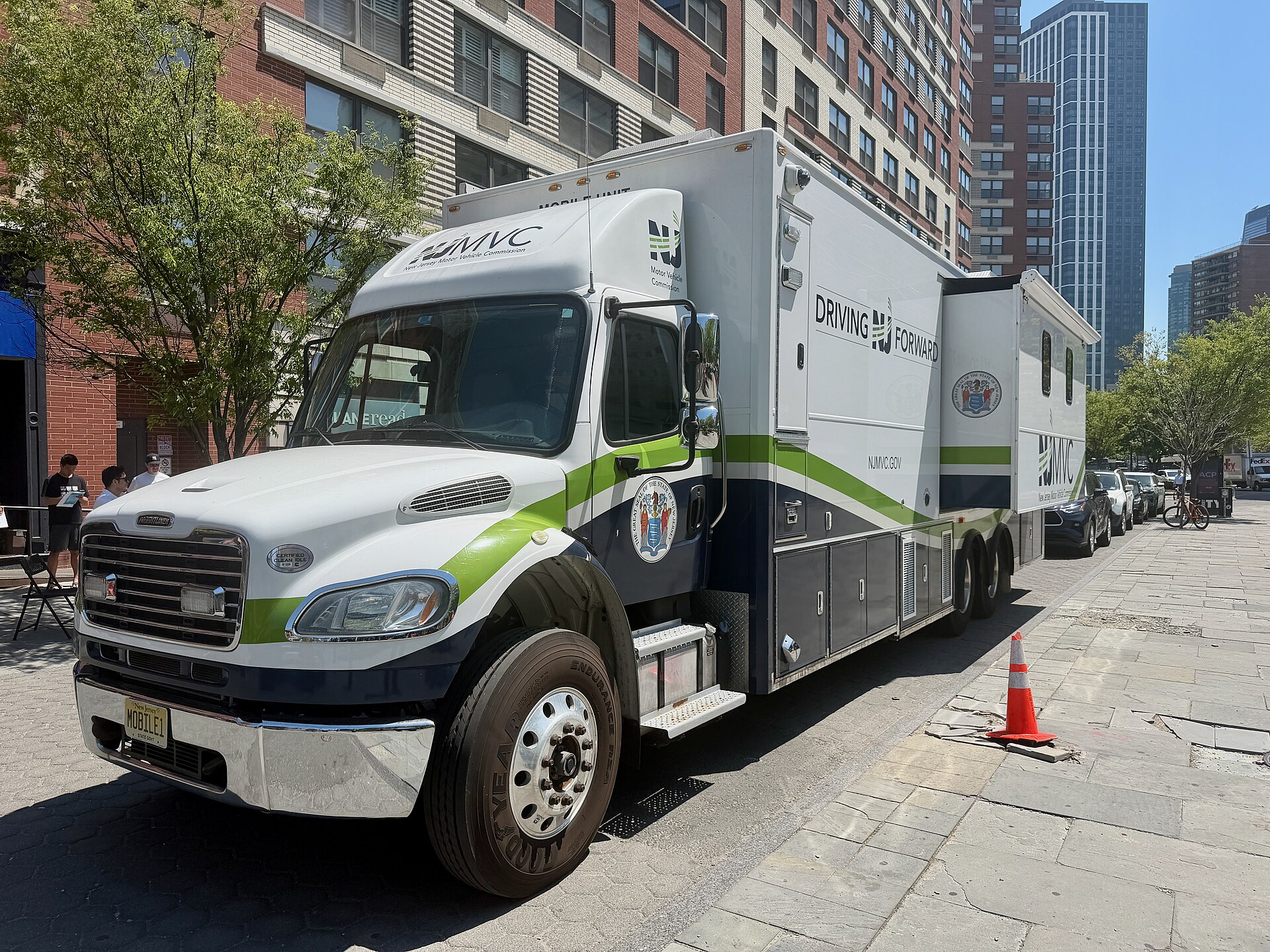
Sherrill attributed the problem to software used by the New Jersey Motor Vehicle Commission. Applicants were asked whether they wanted to register to vote, but the system allegedly failed to record a “no” response from some noncitizen applicants.
The distinction is central. New Jersey allows certain noncitizens to obtain driver’s licenses, as do other states, but that does not make them eligible to register or vote in federal, state or local elections. A licensing policy and voter eligibility are separate legal questions, even when they are handled within the same customer transaction.
Sherrill said fewer than 400 people who were incorrectly registered had cast ballots. That figure does not answer every question about how the error was detected, how long inaccurate records remained on the rolls or what checks failed along the way. It does, however, put an important limit on claims that the episode itself proves large-scale illegal voting.
The weak point is data transfer
DMV voter registration is not a single button that instantly creates a valid voter record. It is a chain: an applicant provides information, a motor-vehicle system transmits it, and election officials must process and verify eligibility under state and federal rules.
That chain can improve access for eligible voters, but each connection creates a possible point of failure. A misread response, mismatched record, outdated eligibility flag or incomplete review can produce inaccurate data that then has to be corrected.
IDEMIA, the company identified in the New Jersey reporting, said its role was to transmit information through the motor-vehicle system to the state Department of State. The company said the New Jersey Division of Elections is ultimately responsible for validating and adjudicating registration information.
That response points to the hardest accountability question in the case: where should a safeguard have stopped the mistake? A vendor can say it transmitted data as designed; a motor-vehicle agency can point to the software; election administrators can say they depend on accurate upstream records. Voters, meanwhile, need the system to work regardless of which institution owns a particular step.
Why California entered the debate
California became part of the discussion because it has also worked with IDEMIA. USA Today reported that California announced a partnership with IDEMIA Public Security North America in 2022 to add technology across DMV branches, and later said the company would issue California driver’s licenses and identification cards.
That overlap does not establish that California used the same application software, the same configuration or the same voter-registration workflow that New Jersey used between June 2023 and June 2024. USA Today reported that IDEMIA did not answer whether the New Jersey-type error could have occurred in California, and California’s Secretary of State’s office had not responded to the outlet’s questions at the time of publication.
That uncertainty is why the California connection deserves careful treatment. A common contractor can justify questions about auditing and system design. It is not, by itself, evidence that California’s rolls contain the same type of error.
California Secretary of State Shirley Weber has said noncitizen voting is exceedingly rare in the state and that election officials continually review voter eligibility to maintain accurate rolls. Her position reflects the view that isolated administrative failures should lead to targeted fixes, not broad conclusions about the legitimacy of elections.
Roll maintenance has become political
The New Jersey disclosure arrived amid renewed pressure from the Trump administration for states to review voter rolls. USA Today reported that Homeland Security Secretary Markwayne Mullin said his agency had identified more than 250,000 potential noncitizens registered to vote across four states and asked officials in California, New Jersey, Nevada and Pennsylvania to respond within two weeks.
Those assertions have intensified a familiar divide. Supporters of aggressive list maintenance argue that governments must identify ineligible registrations quickly, especially when state systems exchange data with motor-vehicle agencies. They see the New Jersey error as a warning that eligibility verification needs stronger, routine controls.
Critics caution that broad voter-roll purges can mistakenly remove eligible citizens, particularly people who have moved, changed names or have inconsistent records across government databases. They also question the methodology behind federal estimates when underlying data and matching standards are not fully public.
Weber said California would review the federal government’s methodology once it received the relevant letter. She also argued that federal pressure should not undermine voter confidence or intrude on authority that the Constitution largely leaves to states.
Accuracy requires more than cleanup
Removing inaccurate registrations after they are found is necessary, but it is the final step rather than the whole solution. The more revealing questions are whether systems can preserve an applicant’s choice accurately, whether eligibility checks occur before activation and whether state agencies can trace a record through every stage of the process.
Practical safeguards could include independent software testing, clear audit logs, reconciliation between DMV and election databases, prompt notice to people affected by an error and publicly explained correction procedures. None would eliminate every mistake, but each can make errors easier to find and harder to repeat.
Transparency matters as much as technology. Election officials can protect both access and integrity by explaining how registrations are verified, how potential errors are investigated and how eligible voters can resolve a problem without losing their chance to participate.
The unanswered questions remain
New Jersey’s case has established that a DMV-linked software failure can affect voter-roll accuracy on a meaningful scale. It has not established that California suffered the same error, that the same software was used in the same way, or that incorrect registration translated into widespread voting by ineligible people.
The episode is nevertheless a reminder that election administration often depends on quiet infrastructure rather than dramatic election-day events. The debate around the DMV is really a debate about whether governments can make voter registration convenient for eligible citizens while building verification systems strong enough to catch mistakes early.
That balance will shape the next phase of the argument. The strongest response is neither to dismiss a documented error nor to treat an unproven connection as proof of a wider problem. It is to follow the data, disclose the safeguards and fix the points where the system failed.








Leave a Reply