
The fight is no longer just about peeling paint at a Washington landmark. It now involves a dropped prosecution, disputed blame and questions about how a high-profile federal repair job was rushed.
Donald Trump is central to a reflecting pool controversy in Washington, DC: the dispute over the Lincoln Memorial Reflecting Pool has moved from a debacle to a scandal after the Trump administration’s federal prosecutors dropped a vandalism charge against former Olympian David Hearn and pointed instead to flawed contractor work.
On Friday, U.S. Attorney Jeanine Pirro’s office said new information undercut the vandalism theory. On Saturday, August 1, 2026, Trump conceded “some contractor difficulty” but still blamed vandals, keeping Trump’s reflecting pool mess alive as a fight over power, blame and public accountability.
The dropped charge changed everything
The basic problem at the Reflecting Pool was already embarrassing: a costly repair project at one of the country’s most visible civic spaces produced peeling sealant, algae problems and another draining of the pool.
But the story became more serious when the government’s criminal case against Hearn collapsed. According to the BBC, prosecutors dropped the case after new information suggested the damage was “the result of flawed installation by the contractor,” not vandalism as initially alleged.
Hearn, a champion canoeist and former Olympian, had been arrested after he said he touched the pool following a bike ride in the area. The BBC reported he had faced a possible 10-year prison sentence if convicted.
That is the dividing line between a public works debacle and a scandal allegation. A failed paint job is one thing. Charging someone based on a theory the government later says was undermined by its own information is another.
Prosecutors blamed incomplete information
The court filing from Pirro’s office did not simply say prosecutors had changed their minds. It said new information from the Department of the Interior indicated that the June 2026 damage was tied to “flawed installation” and a rush to finish the project before America 250 events around Independence Day.
The filing, as reported by the BBC, said the information “strongly suggests” a “rushed and botched installation” overseen by the Interior Department caused the damage. It also said prosecutors had not initially received the full picture.
One line in the filing is especially damaging for the administration’s handling of the case: the Interior Department provided “less than fulsome information” at the outset. Prosecutors said that if DOI had been forthcoming, the government would not have sought a grand jury indictment.
That language shifts attention from the pool surface to the decision-making chain inside the government. Who knew the contractor theory was plausible, when did they know it, and why did a criminal case move forward anyway?
Trump rejected the retreat
Trump’s public response made the split more visible. On Saturday, August 1, he wrote on Truth Social that he disagreed “100%” with Pirro’s decision to drop the charges, according to the BBC.
He acknowledged that “there may have been some contractor difficulty,” but insisted the “major damage” was caused by vandals. That put the president’s public claim at odds with the direction taken by his own prosecutors in court.
Pirro had previously accused Hearn of “a deliberate act to damage the Reflecting Pool,” the BBC reported. The new filing reversed course by blaming contractor problems and incomplete information from Interior officials.
The result is an unusual picture: a president continuing to press a vandalism narrative after federal prosecutors formally retreated from it in at least one case.
A showcase project drew scrutiny
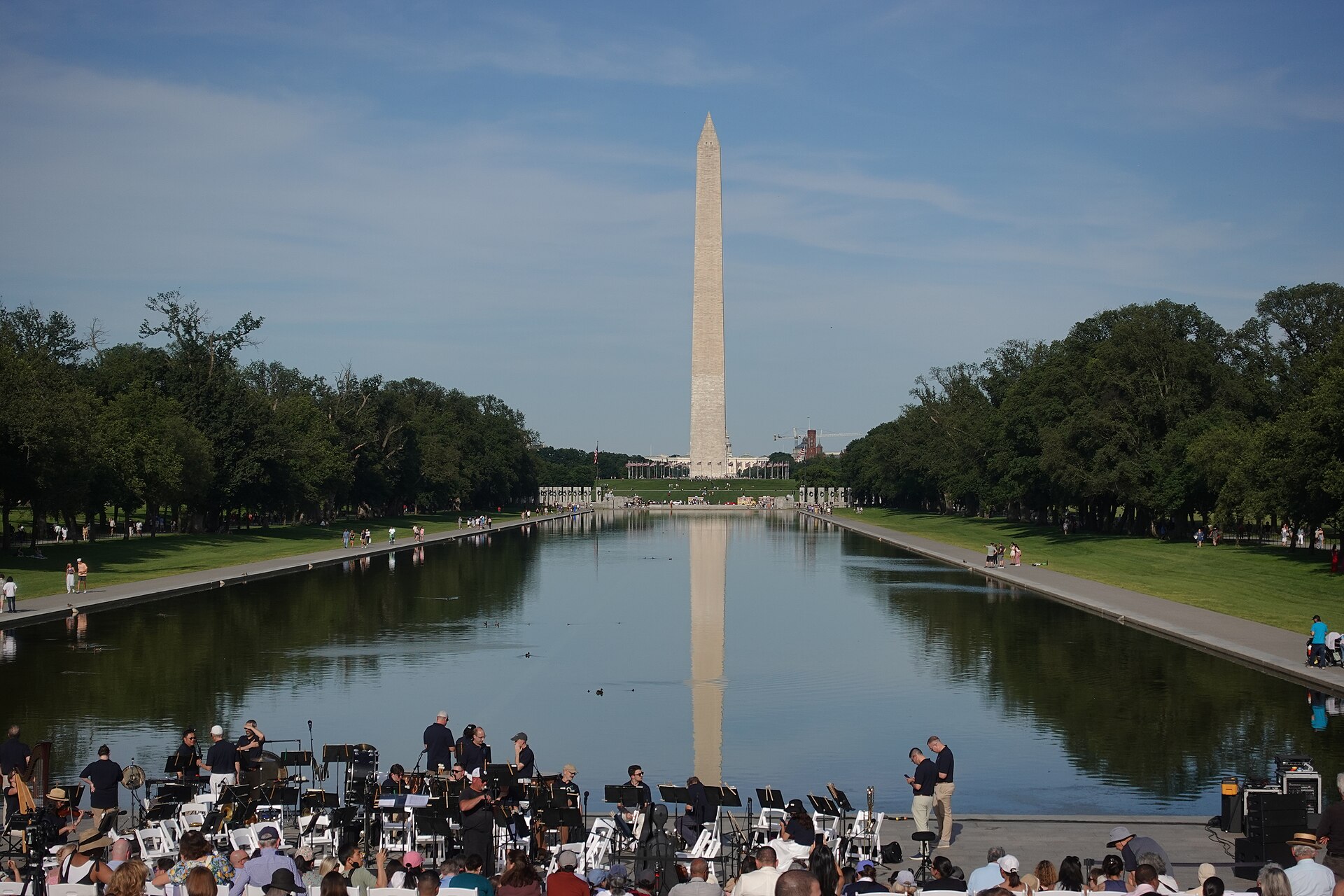
The Reflecting Pool repair was not a small maintenance errand tucked away from public view. The site sits between the Lincoln Memorial and the Washington Monument, an iconic stretch of the National Mall watched by tourists, television cameras and political leaders.
The project was tied to Trump’s broader push to beautify Washington ahead of the country’s 250th independence anniversary. The pool had long suffered from structural problems and leaks, but the attempted fix quickly became a symbol of haste.
The BBC reported that the resealing and painting project cost an estimated $16 million, while the original budget was under $2 million. CBS, cited by the BBC, reported that the contractor was chosen by Trump himself and that the work was not opened to bidding from other companies in the typical way for government contracts.
Those details matter because they make the contractor explanation politically charged. If faulty installation caused the damage, scrutiny naturally turns to how the contractor was selected, how the work was supervised and why the timeline was compressed.
Hearn’s lawyers want more than dismissal
For Hearn, the dropped case does not erase the public accusation. His lawyers told the BBC the case “should have never been brought” and accused the administration of an abuse of government power.
They said the government “owes Mr Hearn an apology,” arguing that dismissing the case does not undo the arrest, the charge or the reputational damage. Hearn told the BBC he did not “destroy, rip, tear, peel, or remove any part” of the pool’s paint.
Asked by the BBC whether he planned legal action over the government’s handling of the case, Hearn declined to comment. That leaves open the possibility of further fallout, even after prosecutors dropped the charge.
The contractor’s public position is also unclear. The BBC said it had contacted the contractor for comment, but the extracted report did not include a response.
Other cases remain murky
Hearn was not the only person accused after the damage appeared. The BBC reported that at least three others were charged with vandalism, citing court records, and that five more received police citations, according to an administration official who spoke to CBS News.
It remains unclear whether all of those charges or citations have been dropped. That uncertainty is important because the government’s new explanation could affect more than one defendant.
If prosecutors now believe installation problems caused the damage, defense lawyers in related cases may push for dismissals, records, apologies or other remedies. If officials still believe some separate vandalism occurred, they will have to explain how that theory fits with the contractor-failure evidence.
For now, the pool itself remains a visual reminder of the unresolved mess. Crews have drained it again, the BBC reported, for the second time in three months.
Why the scandal label stuck
The word scandal can be overused in Washington, but this episode has elements that go beyond ordinary government incompetence: a high-profile presidential project, a rushed timeline, a contractor controversy, a criminal accusation and a later court filing that undermined the public narrative.
The competing viewpoints are stark. Trump says vandals caused the major damage and argues the charge should not have been dropped. Prosecutors say new information pointed to botched installation and that they lacked complete information when the case began.
The public still does not have a full accounting of who approved the work, who verified the damage claim, who briefed prosecutors and whether related cases will also collapse. Those questions are why the story has legs.
At minimum, the Lincoln Memorial Reflecting Pool controversy shows how quickly a symbolic beautification project can become an accountability test. The damage to the pool may be repairable. The damage to confidence in the government’s version of events may take longer.

Leave a Reply