
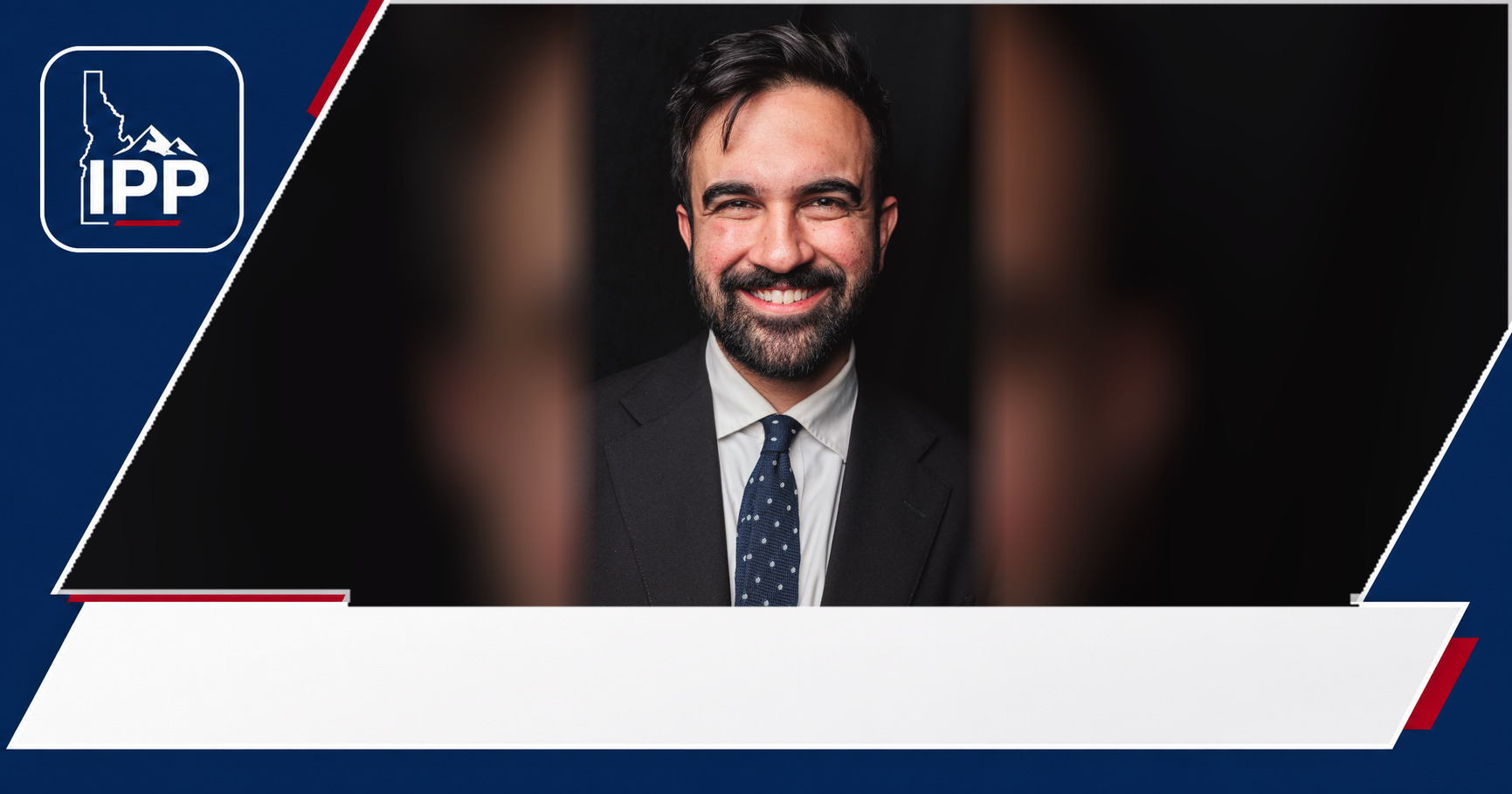
Some 9/11 families say the dispute has reopened painful wounds around an event meant to honor those lost. The immediate question is whether a disagreement over the mayor’s presence could alter participation in one of New York City’s most solemn annual observances.
New York City Mayor Zohran Mamdani is at the center of a controversy over a 9/11 commemoration, and some 9/11 families say the dispute has brought renewed pain. The debate concerns Mamdani’s role in a ceremony meant to honor those killed in the September 11 attacks, with some survivors and relatives urging him not to attend.
The stakes are emotional as well as civic. CNN reported that some family members fear the dispute could affect turnout at the commemoration, while Mamdani has said he will “proudly honor” the victims of 9/11. What remains unresolved is whether the mayor’s participation can coexist with the concerns raised by those who feel excluded or hurt by it.
A ceremony carries private grief
Public officials routinely attend memorial events. A 9/11 commemoration, however, is not simply another date on the municipal calendar for the relatives of people killed in the attacks.
For families, survivors, first responders and lower Manhattan residents, the ceremony can be one of the few recurring public spaces where grief is recognized without being reduced to a political argument. That makes disputes over who appears, who speaks and how the event is framed especially sensitive.
The available reporting identifies distress among some 9/11 families, not a single, universal view among all relatives or survivors. That distinction matters. The community touched by 9/11 is large, diverse and far from politically uniform.
Still, even a disagreement involving a portion of families can reshape the atmosphere of a memorial. Attendance is itself a form of participation, and choosing not to attend can be both a private decision and a public statement.
What Mamdani has said
In a July city transcript, a reporter told Mamdani that a number of 9/11 survivors were calling on him not to go to 9/11 memorial services. Mamdani responded: “I will proudly honor the” victims, according to the transcript excerpt provided by the city.
That response places the mayor on a clear side of the immediate question: he intends to take part in remembrance rather than step away from it. It does not, by itself, settle why critics object or what accommodations, if any, may be under discussion.
CNN’s reporting described the dispute as a commemoration controversy and said it had caused new pain for some families. Its report also included concern that “a lot of people might not go,” signaling that the conflict is not being viewed merely as a disagreement between City Hall and a few critics.
The materials available do not lay out every underlying allegation, demand or conversation between the mayor’s office and affected families. That missing detail is important: highly charged memorial disputes can quickly be distorted when broad claims are treated as settled facts.
Attendance has become a flashpoint
The most immediate practical issue is not policy. It is whether people who have attended previous commemorations will feel able to return.
A memorial’s legitimacy rests partly on trust: relatives need to believe the event belongs to those most directly affected, while public leaders need to fulfill their responsibility to represent the city. Those roles can sit uneasily together when a mayor becomes the subject of the controversy rather than a quiet participant in the day.
Critics calling for Mamdani to stay away appear to see his presence as incompatible with a meaningful observance. Mamdani’s stated position suggests he sees attendance as part of his obligation to honor those who died.
Neither view automatically answers the harder question: what arrangement would allow relatives with sharply different feelings about the mayor to mourn without the ceremony becoming dominated by the dispute itself?
Why symbolism matters here
In ordinary political settings, public appearances are often judged by tactical standards: who gains support, who sends a message and who controls the news cycle. A 9/11 memorial operates by a different standard.
The symbolism of a mayor at a commemoration can carry several meanings at once. To supporters, it can represent the city’s continued commitment to remembrance. To critics, it can feel like an unwanted assertion of authority over a day that families regard as profoundly personal.
That is why language matters as much as logistics. A mayor can emphasize respect, listen to relatives and avoid turning the event into a platform. Families can also reasonably insist that their grief not be made secondary to a political fight.
The tension does not mean that public officials have no place at memorials. It means the burden is higher: participation must be guided by humility, advance communication and an understanding that the ceremony is not principally about any officeholder.
Questions still facing City Hall
As the commemoration approaches, the mayor’s office faces more than an attendance decision. It must address whether it has heard the families objecting to Mamdani’s role and whether there are steps that could reduce the chance that mourning is overshadowed by conflict.
Key details remain unclear from the material available, including the full scope of the objections, whether organizers have changed any ceremonial plans, and how many relatives may decide not to attend. Those answers will shape whether this remains a contained dispute or becomes a defining part of the observance.
There is also a broader test for New York City. The city has to protect a commemoration that belongs first to those who lost loved ones, while recognizing that no single group speaks for every survivor, relative or resident affected by 9/11.
Mamdani’s promise to honor the victims may reassure some New Yorkers. For others, the controversy itself is evidence that a more direct effort at listening and repair is needed before a day of remembrance arrives.
The goal should be remembrance
The sharpest lesson from this dispute is that 9/11 commemorations cannot be treated as routine political events. Families may disagree about the mayor, but their connection to the day deserves precision and respect rather than assumptions about what they should feel.
For Mamdani, the challenge is to show that honoring victims means more than appearing at a ceremony. For critics, organizers and the city, the challenge is to preserve room for grief even when public disagreement is unavoidable.
The outcome will be measured less by whether every objection disappears than by whether families can approach the commemoration believing their losses, voices and choices have been taken seriously.



Leave a Reply