
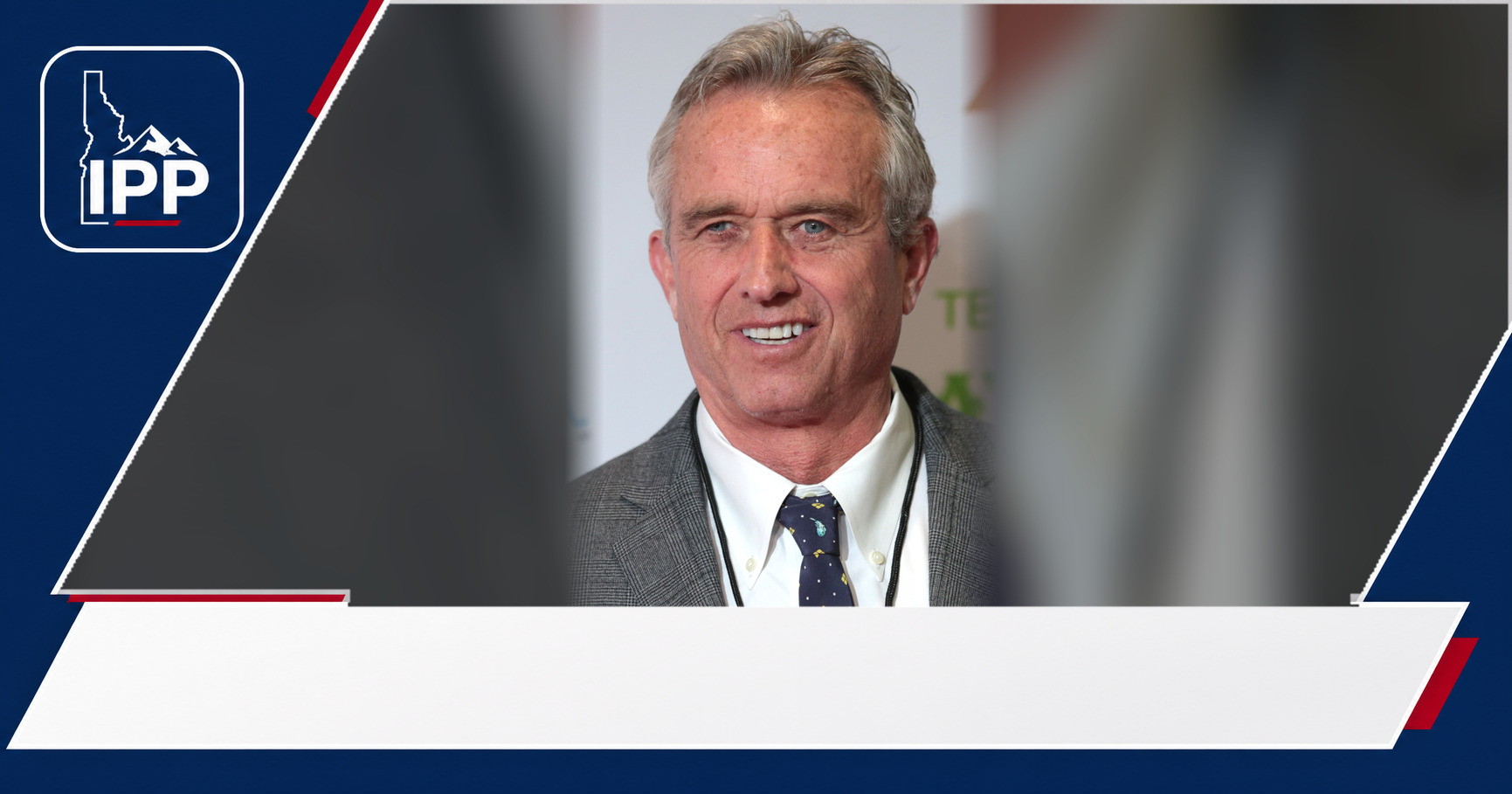
The fight puts Kennedy’s past vaccine-related legal work directly against his current authority over federal health policy. It is also a test of how much disclosure Congress can demand from the nation’s top health official.
US lawmakers are pressing Health Secretary Robert F. Kennedy Jr. over a vaccine settlement, with four Democratic senators in Washington, D.C., asking the U.S. Department of Health and Human Services how Kennedy is handling the matter and whether his family could benefit from the settlement or related litigation. This article explains the congressional scrutiny of Kennedy’s handling of the settlement as his past vaccine-related legal work collides with his authority over the United States’ top health agency.
The core issue is not only what the settlement says. It is whether Kennedy, now in charge of HHS, can oversee vaccine policy and related legal matters without real or perceived financial conflicts involving himself or his family.
Why senators are pressing now
Reuters reported that four Democratic senators are pressing Kennedy over the vaccine settlement and asking whether his family stands to benefit. The inquiry lands in a sensitive place: Kennedy leads the department that helps shape vaccine policy, oversees public health agencies and has a role in systems connected to vaccine injury claims.

The senators’ concern is that a settlement connected to vaccines could intersect with Kennedy’s prior financial ties to vaccine litigation. They are effectively asking whether HHS decisions are being made at arm’s length, whether ethics officials reviewed the matter and whether Kennedy has recused himself where needed.
There is an important distinction here. The materials available do not establish that Kennedy’s family has received money from this settlement. The lawmakers are asking whether they could benefit and whether the public has been given enough information to judge the risk.
The family-benefit question
Kennedy’s biography makes this scrutiny unusually sharp. Before becoming Health Secretary, he was widely known for his vaccine skepticism and for legal work involving claims against pharmaceutical companies. A Senate summary from Sen. Elizabeth Warren’s office said Kennedy had made nearly $2.5 million in referral fees from the law firm Wisner Baum and had a 10% contingency-fee interest in certain cases if plaintiffs won.
Warren’s office also said Kennedy’s ethics arrangement raised questions about whether those payments could continue while he served as HHS secretary. During his confirmation process, Warren pressed him on whether he would give up compensation connected to lawsuits against drug companies. Her office said his answers did not clearly resolve the issue.
The family angle matters because lawmakers are not looking only at checks paid directly to Kennedy. Senate materials have referenced questions about vaccine-related lawsuit interests and Kennedy’s son. If future proceeds are routed through a family member, critics argue the conflict concern may still exist even if Kennedy personally says he is separated from the money.
Kennedy’s defenders may view the inquiry as partisan overreach, especially because Democratic senators have long criticized his vaccine views. But conflict rules are built for exactly this kind of situation: when an official’s prior work, financial arrangements or close family interests could overlap with government power.
A settlement is not science
One reason this story can easily be misunderstood is that the word “settlement” carries emotional weight. A legal settlement involving a vaccine claim does not, by itself, prove that vaccines are broadly unsafe. Settlements can resolve disputed claims for many reasons, including litigation risk, cost, timing or narrow facts.
The federal government also has a long-running vaccine injury compensation structure for rare adverse events. That system exists because serious vaccine injuries, while uncommon, can happen. It is designed to compensate eligible claims without turning every case into a traditional lawsuit.
Public health officials typically separate legal compensation questions from broader vaccine recommendations, which are supposed to rest on evidence about safety, effectiveness and disease risk. That separation becomes harder to maintain if the official overseeing the system has past or family-linked financial ties to vaccine litigation.
That is why the senators’ questions go beyond one settlement. They are asking whether the public can trust that vaccine policy is being driven by evidence and law, not by litigation incentives.
HHS power raises the stakes
As Health Secretary, Kennedy sits above agencies and programs that influence vaccine access, safety monitoring, public guidance and compensation policy. HHS includes agencies such as the Centers for Disease Control and Prevention, the Food and Drug Administration and the Health Resources and Services Administration, which has responsibilities tied to vaccine injury compensation.
Warren’s office has previously argued that Kennedy could affect the value of vaccine-related litigation through government actions. Her examples included appointing vaccine advisers, changing how injuries are treated in compensation programs, shifting federal positions and influencing access to data. Those are allegations from a political opponent, but they show why Democrats see the issue as more than theoretical.
Even if Kennedy followed every formal ethics rule, perception matters in public health. Vaccine confidence depends partly on whether people believe government decisions are independent. If vaccine supporters suspect policy is being undermined by private legal incentives, trust erodes. If vaccine skeptics believe legitimate injury claims are being hidden, trust erodes in a different direction.
That leaves HHS with a narrow path: disclose enough to show the settlement was handled properly without turning a legal matter into a political spectacle.
What remains unanswered
The available Reuters summary did not include a detailed public response from Kennedy or HHS. It also did not spell out all terms of the settlement, which means several basic questions remain central to the story.
- What exactly does the vaccine settlement cover, and which HHS offices were involved?
- Did Kennedy participate in discussions, approvals or strategy connected to the settlement?
- Did department ethics officials review the matter before HHS acted?
- Could Kennedy, his son or another family member receive money from the settlement or related lawsuits?
- Are there written recusals or safeguards covering vaccine litigation and compensation decisions?
Those answers would not necessarily end the political fight. But they would clarify whether this is a concrete financial conflict, a disclosure problem or a broader argument over Kennedy’s fitness to oversee vaccine policy.
The credibility test ahead
Kennedy has built much of his public identity on challenging pharmaceutical companies and accusing public health institutions of being too close to industry. That message has appealed to voters who distrust drugmakers and federal agencies. It also makes his own ethics posture more exposed: the person promising to clean up conflicts has to show he is not carrying one into the job.
For Democratic lawmakers, the vaccine settlement is an opening to press that contradiction. For Kennedy, it is a chance to provide documents, recusal details and financial clarity before the issue becomes a standing cloud over HHS decisions.
The larger question is not whether every vaccine injury claim is illegitimate or whether drug companies should be immune from scrutiny. They should not be. The question is whether the official with power over vaccine policy can be financially insulated from vaccine litigation outcomes, including outcomes that may benefit his family.
Until HHS answers that plainly, the settlement will remain more than a legal agreement. It will be a measure of whether Kennedy’s department can separate public health decisions from private legal interests at a moment when trust in both is already strained.



Leave a Reply