
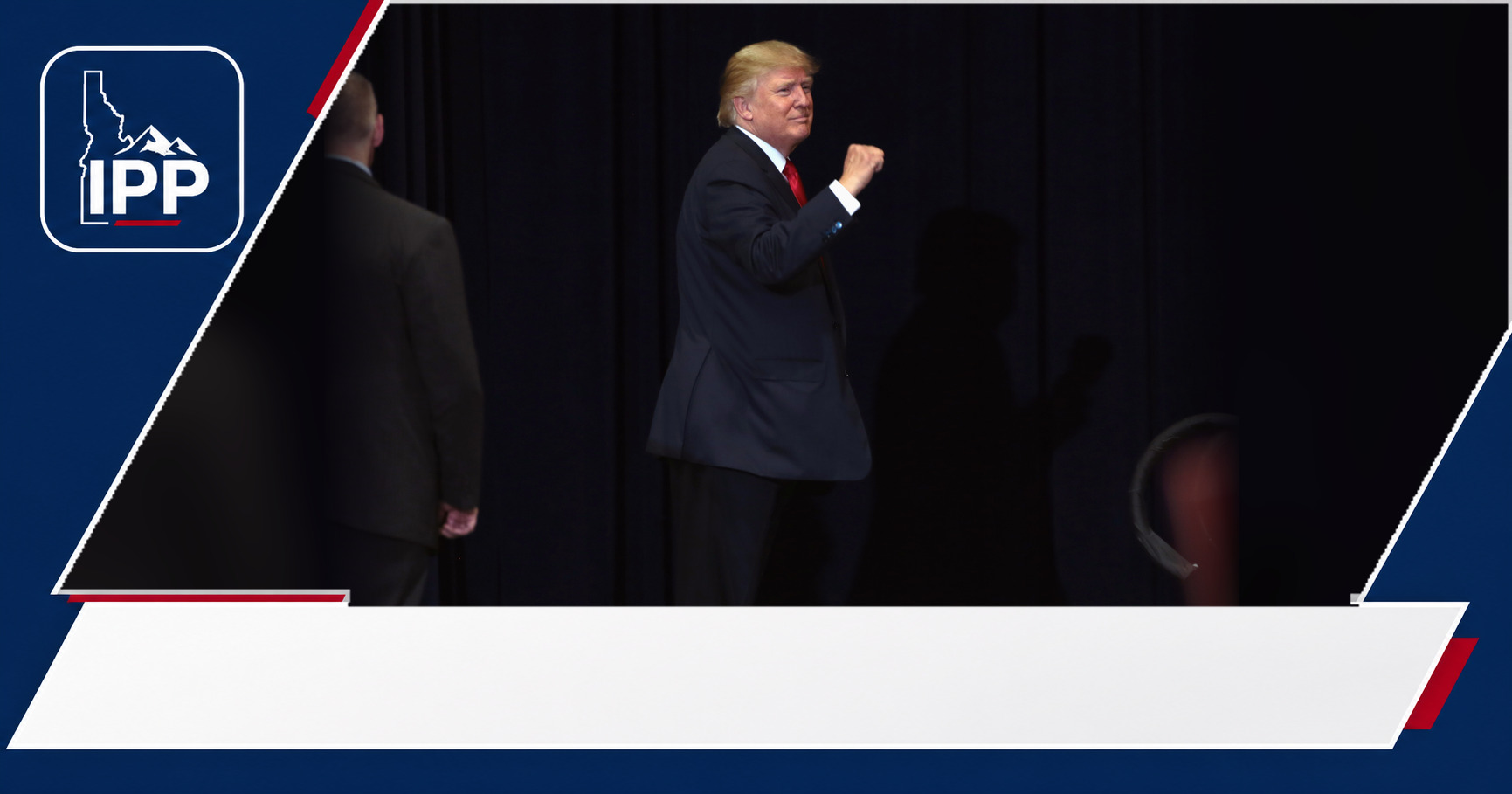
A reported admission and an analyst’s criticism have put the spotlight back on the Qatari-donated Boeing 747 used by President Donald Trump. The central question is no longer the plane’s luxury or speed, but whether its security retrofit was ready for a high-risk moment.
Donald Trump’s team made an admission that was revealed in the controversy over a Qatari jet, according to the report that triggered the latest debate, while an analyst criticized or rejected the Trump team’s position. The dispute centers on the Qatari-donated Boeing 747 that Trump used as Air Force One before switching to the older presidential aircraft while leaving Ankara, Turkey.
The “fiasco” label is an analyst’s characterization, not an established government finding. But the reported aircraft switch has given that criticism force because it revived a basic question: whether the newer jet had received the full range of security modifications needed to protect a president during an international crisis.
A switch that raised alarms
The New York Times reported that Trump departed Turkey on the older Air Force One after the Secret Service urged a precautionary change in plans. The decision came as hostilities involving Iran resumed and the United States carried out strikes on Iran while Trump was attending a NATO summit in Ankara.

Trump had flown to Turkey on the newer Boeing 747-8, donated by Qatar. On the way out, he took the older aircraft to England, where he later transferred back to the newer plane for the trip to Washington, according to the Times.
The White House offered a different public framing. Trump said the newer aircraft could depart early for stops at U.S. military bases, allowing troops to tour what he called a “magnificent” plane. The Times reported, however, that people briefed on the plans described the change as a Secret Service precaution rather than a response to a specific threat.
The real issue is readiness
The controversy is not simply whether a Qatari gift was appropriate. It is whether a large civilian-derived aircraft can be made ready for presidential use on an accelerated schedule without leaving gaps in the systems that make Air Force One more than a recognizable blue-and-white jet.
People briefed on the newer aircraft’s capabilities told the Times it did not have all the features of the older plane. The exact specifications are necessarily obscure because many presidential-aircraft defenses are classified, but the broad concerns are well understood.
Reporting has described the older aircraft as having systems designed to counter an incoming antiaircraft missile, including technology intended to confuse or divert a missile. Other expected protections can include hardened electrical systems designed to withstand the effects of an electromagnetic pulse.
It remains unclear how many of those capabilities, if any, had been installed on the Qatari-donated plane at the time of Trump’s trip. That uncertainty is what makes the switch significant: security precautions can speak louder than competing public explanations.
Why the Qatar connection matters
The aircraft was donated by Qatar, an arrangement that drew immediate political, ethical and security criticism when it became public. Critics questioned whether accepting a luxury aircraft from a foreign government could create conflicts of interest, even if the plane were ultimately transferred to the U.S. government and modified for official use.
Supporters of putting the plane into service have emphasized the practical attraction of obtaining a newer 747 while the government’s long-delayed replacement program for Air Force One continues. The two aging VC-25A aircraft now used as Air Force One entered service in the early 1990s.
Yet a donated jet is not a ready-made presidential aircraft. A commercial airliner—or even one fitted with a high-end interior—requires substantial changes to carry secure communications equipment, defensive systems, specialized power and wiring, and other protected technology.
That distinction is central to the analyst criticism cited in the trend report. The critique is not just that Trump wanted to fly on a lavish aircraft; it is that the push to make the jet available quickly may have collided with the slow, technical work required to make it safe.
Conflicting accounts leave gaps
White House communications director Steven Cheung said the new Air Force One was equipped with “high-level security protocols” to protect the president and staff. The White House has also pointed to Trump’s explanation that operational scheduling and military-base visits accounted for the aircraft swap.
Those statements do not fully resolve the reporting about the Secret Service recommendation. A precautionary change does not necessarily mean the Qatari jet was unsafe, and the Times reported that the decision was not tied to a specific threat. But it does suggest officials saw advantages in using the older aircraft during a period of heightened danger.
Trump’s own comments added to the ambiguity. He denied that security concerns drove the switch, but he also spoke about being Iran’s top target and said passengers had likely been told to close window shades because they were on a “dangerous plane.”
That combination has left room for sharply different interpretations. Defenders can argue that presidential travel requires layered contingency planning. Critics can argue that the episode exposed a mismatch between the plane’s public rollout and its still-unclear operational maturity.
Retrofitting takes time and money
Former Air Force official Andrew P. Hunter, who oversaw the Air Force One program during the Biden administration, told the Times that properly retrofitting a 747 for Air Force One use would take more than a year. The work goes beyond installing communications gear or refurbishing a cabin.
Industry and Pentagon officials had estimated that the upgrade could cost as much as $1 billion and take up to two years, according to the Times. Air Force Secretary Troy Meink later offered a lower estimate to Congress, saying the modifications would probably cost less than $400 million.
The Air Force began work on the aircraft in the United States last summer. Officials said it was being modified for “executive airlift” support at the direction of Defense Secretary Pete Hegseth, while withholding further details because of classification concerns.
Congressional critics had already warned that a compressed timeline could leave too little room for essential defenses. The trip from Turkey did not prove that those warnings were correct, but it made the concern harder to dismiss as a purely hypothetical one.
What remains unanswered
No public account has detailed which security systems are installed on the newer aircraft, which remain incomplete, or how the Secret Service weighed the risks during Trump’s departure from Ankara. Those limits are understandable in a national-security context, but they also make independent evaluation difficult.
The more immediate political test is whether the administration can explain why the plane was ready for presidential use in one setting but apparently not preferred for a departure during heightened regional tensions. The answer will shape whether the Qatari jet is viewed as a useful stopgap or as an expensive shortcut.
For now, the reported admission and analyst backlash reflect a wider concern: the Air Force One name carries expectations that cannot be met by appearance, cost or diplomatic symbolism alone. The decisive standard is whether the aircraft can protect a president when the stakes are highest.



Leave a Reply