
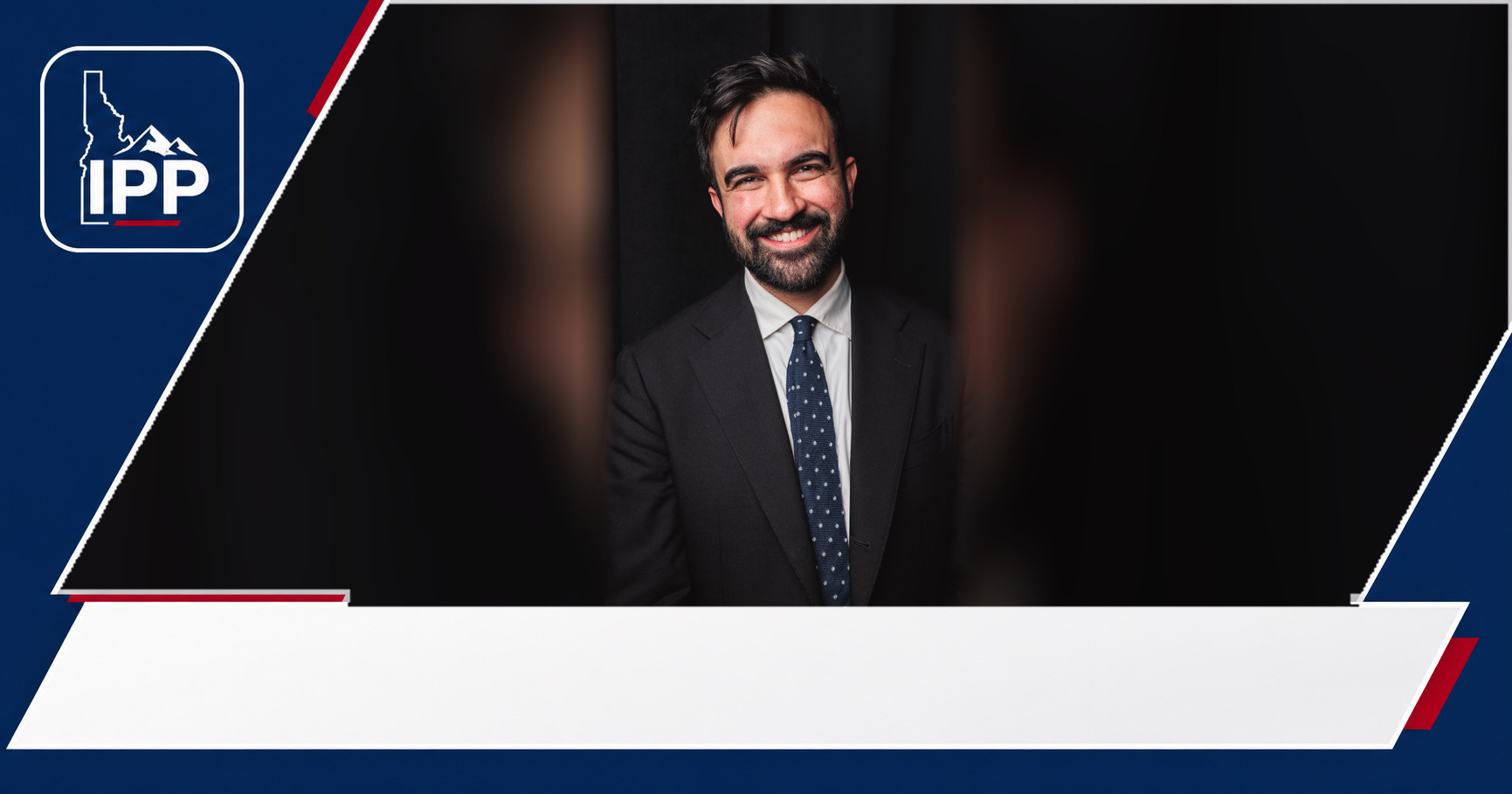
The sharpest criticism of Mamdani is no longer only about policy. It is about whether his political style can survive the coalition-building demands of City Hall.
A Washington Examiner commentary arguing that “Mamdani hates everybody” says Zohran Mamdani’s mayoralty is doomed, and the article criticizes Mamdani’s antagonistic style as a reason he cannot succeed as New York City mayor. The claim lands amid a heated race in which Mamdani, the Democratic nominee and a Queens state assemblyman, is defending himself against attacks from Andrew Cuomo and Curtis Sliwa before the Nov. 4 election.
That framing is an argument, not a settled fact. But it points to the central tension now surrounding Mamdani: whether a candidate who excites supporters as an unapologetic outsider can also reassure the many groups a New York mayor must govern with, bargain with and calm down in moments of crisis.
A style fight becomes the story
The conservative critique of Mamdani is blunt: he is too antagonistic, too quick to offend, and too politically combative to build the broad trust required at City Hall. The phrase “hates everybody” is obviously an attack line, but its political purpose is clear. It recasts disputes over ideology, identity and foreign policy as a question of temperament.
That matters because mayoral politics is not only about winning a lane. New York City mayors operate inside a crowded power map that includes Albany, unions, police leadership, business groups, religious communities, neighborhood organizations and federal officials. A mayor can fight with some of them. A mayor cannot fight with all of them at once.
Mamdani’s allies would argue that this is exactly why the criticism is misleading. They see a candidate being punished for speaking forcefully, for criticizing powerful figures and for refusing to soften his identity or politics to make opponents more comfortable.
The problem for Mamdani is that both readings can shape voters’ perceptions at the same time. One voter’s courage can look like another voter’s provocation.
The Cuomo clash sharpened it
NBC News reported that Mamdani recently condemned what he called “racist, baseless” attacks in an emotional speech outside a mosque in the Bronx, one day before early voting was set to begin. Mamdani said he had tried to run as “the candidate fighting for every single New Yorker, not simply the Muslim candidate.”
He added that he believed a campaign built around universality would allow him to define himself as the leader he wants to be: one representing every New Yorker regardless of race, religion or birthplace. “I was wrong,” he said, according to NBC News, saying that no amount of redirection had been enough to keep his faith from becoming a central target.
Cuomo, who lost to Mamdani in the June Democratic primary and is running as an independent, has pushed the opposite argument. NBC News reported that Cuomo accused Mamdani of playing the “victim” while saying Mamdani had created tension with Jewish, LGBT, Italian and Black communities.
Cuomo also criticized a 2020 social media post showing Mamdani giving the middle finger to a statue of Christopher Columbus, calling it offensive to Italian Americans. Mamdani’s critics use moments like that to argue that his politics are not merely sharp-edged but needlessly alienating.
Identity, religion and backlash
Mamdani would be New York City’s first Muslim mayor if elected, a fact that has become inseparable from the campaign’s closing arguments. He has said Islamophobia is treated as more acceptable than other forms of hate in the city and described a post-9/11 climate in which Muslims are expected to absorb suspicion without complaint.
That is not a minor side issue. It goes directly to Mamdani’s argument that the attacks on him are not ordinary political vetting. He has suggested that some things said or done by rivals would not have happened if he were not Muslim.
His opponents reject that framing. Cuomo said New Yorkers are not Islamophobic and argued that the city has no tolerance for discrimination. That response tries to separate criticism of Mamdani’s record and rhetoric from prejudice against his faith.
The difficulty is that campaigns rarely separate those questions cleanly. A candidate’s biography, statements, alliances and critics all get bundled into one public image. For Mamdani, that image is still being fought over in real time.
Antisemitism allegations remain central
Mamdani has also faced months of allegations of antisemitism, many tied to his criticism of Israel’s conduct in Gaza and to his earlier refusal to denounce the phrase “globalize the intifada.” NBC News reported that he said in June he did not use the phrase but did not believe mayors should “police speech.” The New York Times later reported that Mamdani said he would discourage use of the phrase going forward.
Those distinctions may matter to activists and policy-minded voters. In a mayoral campaign, though, opponents often collapse them into simpler charges. During the final debate before the election, Cuomo and Republican nominee Curtis Sliwa attacked Mamdani over whether he had a strong enough plan to combat antisemitism.
Mamdani responded that New York needs a leader who takes antisemitism seriously and roots it out, not one who weaponizes it for political gain. He also denied Sliwa’s accusation that he had supported “global jihad,” saying he had “never, not once” spoken in support of it.
At the same time, NBC News noted that Mamdani has sought outreach with Jewish communities, including meetings with Jewish leaders, courting Hasidic voters in Yiddish and attending Rosh Hashanah celebrations. That outreach complicates the caricature. It does not erase the controversy.
Why governing would be harder
The strongest version of the argument against Mamdani is not that he is disliked by opponents. Every mayor is. It is that he may be entering office, if he wins, with too many communities already primed to distrust him.
New York mayors need legitimacy beyond their base. They need it when negotiating budgets, appointing commissioners, responding to hate crimes, managing protests, handling policing controversies and asking residents to accept painful tradeoffs. A mayor seen as hostile by large blocs of the city starts every crisis with less room to maneuver.
That is why the “antagonistic style” critique has traction even among people who may not share the Washington Examiner’s ideological view. Style in municipal government is not cosmetic. It affects who returns calls, who believes reassurances and who is willing to compromise before a fight goes public.
But there is a counterpoint: New York voters have often rewarded candidates who appear confrontational because they seem willing to challenge entrenched power. A politician who sounds disruptive during a campaign can look, to supporters, like the only person honest enough to say what polite politics avoids.
The unanswered test for Mamdani
The open question is whether Mamdani can turn grievance into governance. His campaign argument, as described in his own remarks, is that he is trying to represent every New Yorker while refusing to let opponents define him through fear, faith or selective outrage.
His critics argue the opposite: that he has already defined himself through gestures and rhetoric that make coalition-building harder. They see the controversies around Columbus, antisemitism, Israel, Islamophobia and community relations not as isolated flare-ups but as evidence of a pattern.
Both sides are now fighting over the same word: trust. Mamdani says he is asking voters to trust that he can lead a diverse city without abandoning who he is. His opponents say voters should not trust a candidate they believe has repeatedly alienated parts of that same city.
That is why the harsh “doomed” framing is resonating beyond one commentary headline. It captures the real risk facing Mamdani: not that every criticism will stick, but that enough voters may decide the next mayor’s first job is lowering the temperature, not raising it.



Leave a Reply