
A Fox News opinion column argues that a 2016 promotional interview reveals something deeper about New York City Mayor Zohran Mamdani. The central claim remains a matter of interpretation, with no response from Mamdani included in the source material.
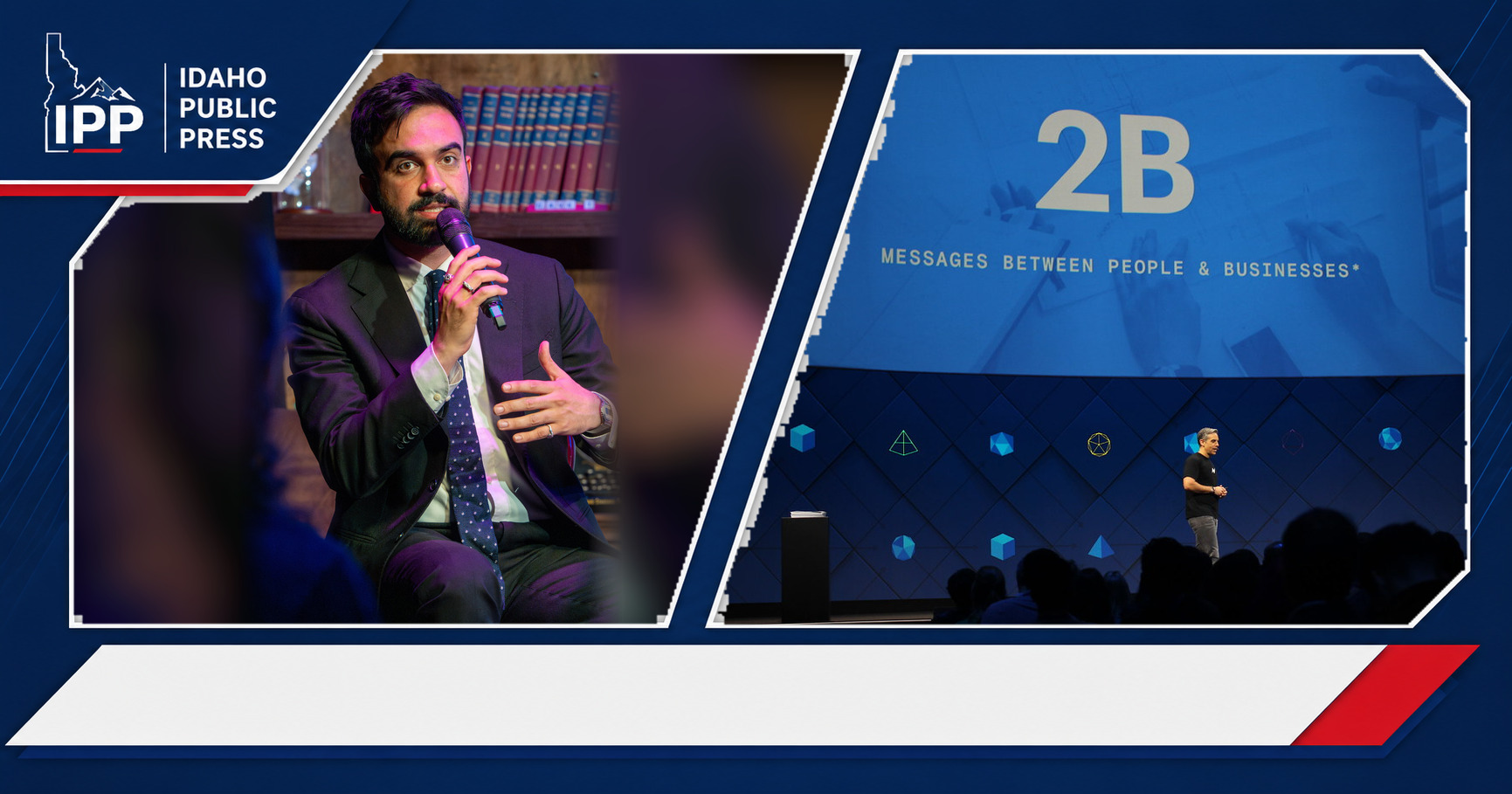
David Marcus criticized Zohran Mamdani over what he describes as a faux African accent in a resurfaced 2016 interview. Marcus calls the speech bizarre and revealing; the interview reportedly shows Mamdani promoting a Disney film on which he worked as a dance adviser.
The claim is the centerpiece of Marcus’s Fox News opinion column, not an independently established finding about Mamdani’s identity or ordinary speaking voice. It matters because a short old clip has become a vehicle for a much larger argument about political image-making, code-switching and whether voters can know which version of a public figure is most authentic.
The 2016 clip at issue
According to Marcus, Mamdani used an African/South Asian-sounding accent throughout the 2016 interview while discussing dance and his work on a Disney production. Marcus characterizes the delivery as an intentional performance and notes that Mamdani also demonstrated Bollywood-style dance moves.
The source material does not include a full transcript, the name of the Disney film, the interviewer’s identity or details about the setting and intended audience. Those omissions matter. A short, selectively resurfaced interview can offer a glimpse of a moment, but it cannot by itself settle why a speaker sounded a particular way or how they speak across different settings.
Marcus’s column treats the clip as a contrast with Mamdani’s current public persona as New York City mayor. The writer says the difference is striking enough to raise doubts about the consistency of Mamdani’s presentation.
Marcus makes an authenticity case
Marcus’s core point is not merely that he dislikes the accent. He argues that the speech was deliberately adopted, rather than a natural shift in tone, and that it reflects a politician willing to tailor his persona to an audience.
That conclusion is an opinion. It depends on assumptions about Mamdani’s intent, his personal history and the boundaries between performance, cultural expression and ordinary changes in speech. Marcus acknowledges that defenders may call the practice code-switching, but rejects that explanation in this case.
He extends the critique well beyond the interview, portraying Mamdani as someone with multiple public-facing versions: a calm mayoral figure, an angry protester and, in the old video, a dance-industry promoter. The column then connects that alleged inconsistency to Marcus’s broader criticism of democratic socialism and the Democratic Socialists of America.
Why code-switching complicates it
Code-switching broadly refers to people changing language, dialect, vocabulary, pace or style depending on context, audience or social setting. It can be conscious, unconscious or somewhere in between. It is common among multilingual people and among people who move across regions, communities and professional environments.
That does not mean every noticeable shift in speech should automatically be labeled code-switching. Nor does it mean an outside observer can confidently determine, from one clip, that a speaker is pretending. Questions about accents often carry assumptions about class, race, migration, education and who is allowed to sound natural in public.
The disagreement here is therefore larger than a single voice. Critics can view a conspicuous change in delivery as calculated branding. Supporters can view the same change as contextual speech, a performance tied to an entertainment interview, or an unfairly isolated moment from a person with a transnational background.
From a clip to ideology
Marcus uses the interview to make a political argument: that Mamdani and allied left-wing politicians soften their agenda for broad audiences while signaling more radical views to dedicated supporters. He cites other Democratic Socialist figures and campaign rhetoric as part of that case.
But the connection between a 2016 entertainment interview and a politician’s policy program is interpretive, not direct evidence. A viewer could find the accent awkward, theatrical or out of place and still conclude that it says little about Mamdani’s positions on housing, public safety, transit or city finances.
That gap is significant in a mayoral context. Voters ultimately have more concrete ways to assess an administration: budgets, legislation, agency performance, housing construction, rent pressures and the quality of city services. Personal style can shape trust, but it is not a substitute for a record.
The response gap remains
The extracted source material does not include a direct response from Mamdani, his office or a representative addressing the 2016 interview. It also does not establish whether the clip has been edited, whether it was part of a promotional character or whether Mamdani has previously explained the way he spoke in that setting.
Without that context, the fairest description is that Marcus has made a forceful allegation about a resurfaced video and assigned political meaning to it. The terms “faux” and “fake” describe the columnist’s view, not a verified conclusion.
Mamdani’s defenders, if they respond, may focus on context and code-switching. His critics may argue that the clip adds to their concerns about image management. Both positions will likely circulate because the footage invites a fast judgment while leaving key questions unanswered.
What the dispute is really testing
Political communication increasingly rewards clips that can be understood in seconds and argued over for days. An old interview can be stripped of its original setting, recast as a character test and folded into existing beliefs about a candidate or movement.
Marcus’s column is clear about its answer: he sees the 2016 interview as evidence that Mamdani’s public identity is constructed for effect. The unresolved question is whether viewers see a troubling act of political performance, a context-specific entertainment appearance, or an accusation that reaches beyond what the available evidence can prove.
For New Yorkers, the more durable test will be whether Mamdani’s governing choices match his campaign promises and public commitments. The clip may keep the authenticity debate alive, but it does not answer that question on its own.







Leave a Reply