
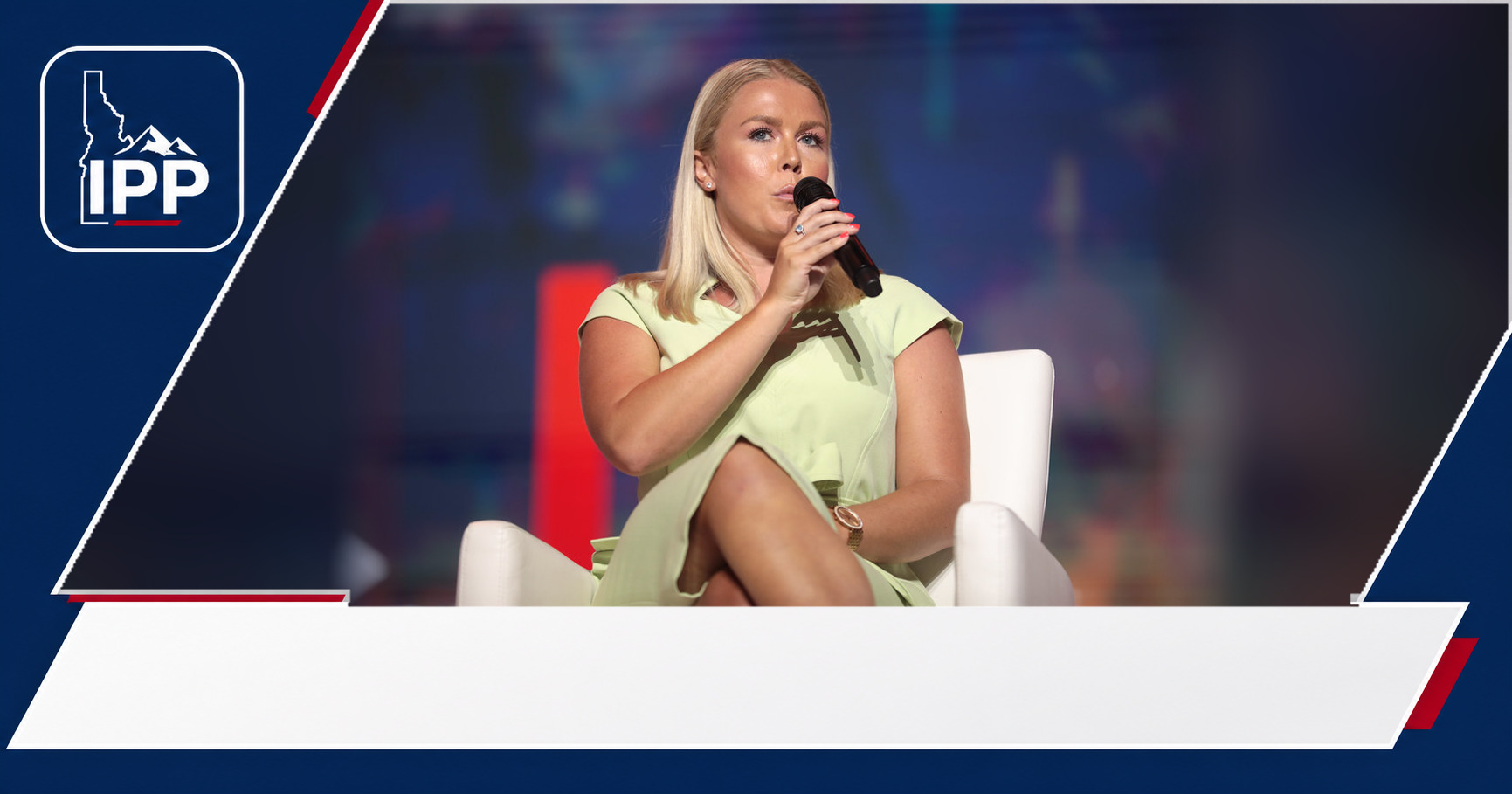
The dispute is not only about one phrase. It reflects how a short political clip can reignite arguments over transparency, empathy and what public officials owe the people affected by Jeffrey Epstein’s crimes.
Karoline Leavitt was criticized on social media as “disgraceful” after a resurfaced interview clip in which she called the Epstein files a “classic Washington hoax.” The reaction focused on what critics saw as dismissive language around Jeffrey Epstein and his victims, with one widely repeated response stressing, “She’s a mother!”
The backlash explains why the Epstein files remain politically combustible: even a brief clip can turn a debate about records and transparency into a broader argument about empathy, accountability and public trust in Washington.
The phrase driving the backlash
The available source material describes a resurfaced interview clip featuring Leavitt’s characterization of the Epstein files as a “classic Washington hoax.” It does not provide a full transcript, the date of the interview, its outlet or the complete exchange surrounding the remark.
That missing context matters. Short clips can remove qualifications, questions or preceding statements that might change how audiences interpret a speaker’s meaning. But the phrase circulated on its own terms, and many social-media users treated it as a sweeping dismissal of concerns tied to Epstein-related records.
For critics, calling the issue a hoax did not land as an ordinary partisan rebuttal. They saw it as language that risked minimizing a case connected to the abuse of women and girls, as well as the continuing demands from survivors and lawmakers for disclosure.
Why “she’s a mother” spread
The “She’s a mother!” response was a moral argument, not a factual claim about the contents of any document. People using that framing appeared to be emphasizing the disconnect they perceived between Leavitt’s personal role as a parent and comments they considered insufficiently sensitive to victims.
That kind of reaction is common when public figures discuss crimes involving sexual exploitation. It moves the conversation away from procedural questions—what records should be released, by whom and under what legal limits—and toward an emotional question: what tone is appropriate when discussing people who were harmed?
Supporters of a more combative political style may view “hoax” language as an attack on selective leaks, partisan messaging or unverified insinuations rather than on victims themselves. Critics, however, argue that public officials cannot cleanly separate those political disputes from the human reality behind the case.
The tension is real. A person can argue against misleading claims made from partial records while still acknowledging the seriousness of Epstein’s crimes and the interests of survivors. The online backlash suggests many viewers did not hear that distinction in the resurfaced clip.
The files are not one document
“The Epstein files” is a catchall label, and that vagueness fuels confusion. The phrase can refer to investigative records, court filings, contact information, communications, materials from civil litigation, congressional releases and other documents connected to Epstein and people in his orbit.
Appearing in a document does not by itself establish criminal conduct. Names may arise in contacts, travel records, witness accounts, emails or other material that requires context. That is one reason broad document releases often generate intense attention alongside serious risks of misinterpretation.
At the same time, survivors and transparency advocates have argued that the public deserves a clearer accounting of what authorities knew, how influential people interacted with Epstein and whether institutions failed those who were harmed. Those concerns do not disappear because politicians disagree over how particular documents are being used.
- Transparency advocates seek fuller disclosure of unclassified material and clearer explanations for records that remain sealed or redacted.
- Privacy and due-process advocates warn that releases must protect victims and avoid turning unverified references into accusations.
- Political critics often focus on whether officials are using the issue selectively against opponents.
Pressure for disclosure has crossed parties
The debate over disclosure was already active before this latest clip circulated. BBC reporting from November 2025 described growing calls from both Republican and Democratic lawmakers for a broader release of Epstein-related records, after a large batch of material from Epstein’s estate became public.
That report said a House effort sought to require the Justice Department to release unclassified records, documents, communications and investigative materials related to Epstein. It also described survivors calling for more complete transparency rather than what they characterized as a limited flow of information.
The significance is that the issue has resisted neat partisan ownership. Politicians may differ sharply on the motivations behind releases, the credibility of allegations or the handling of particular names. Yet demands for answers have come from across ideological lines.
That wider context helps explain the force of the response to Leavitt. To people who want more disclosure, rhetoric that sounds dismissive can feel like resistance to scrutiny itself. To people wary of sensationalized claims from partial records, the same rhetoric can sound like a warning against guilt by association. Neither interpretation resolves the underlying questions about what remains unreleased.
What the clip does not establish
The resurfaced clip and social-media reaction do not, on their own, establish what Leavitt meant beyond the words attributed to her. They also do not verify the accuracy of every claim attached to posts criticizing or defending her.
The source material available here does not include a response from Leavitt, the White House or her representatives addressing the clip or the criticism. It also does not establish whether the version circulating online is complete and unedited.
Those gaps should temper conclusions about intent. They do not erase the reaction, which was plainly centered on the view that a “classic Washington hoax” framing was inappropriate for a subject involving survivors and allegations of institutional failure.
A fight over tone and trust
This episode is a reminder that Epstein-related discussions carry a burden beyond conventional political messaging. Public figures can contest reporting, dispute allegations and challenge political narratives. But when the subject is a case involving exploitation and victims seeking accountability, the language used can become the story.
Leavitt’s reported wording became a flashpoint because it fused two familiar Washington arguments: whether the public is being denied information, and whether the controversy is being weaponized for partisan advantage. Social-media critics focused on the first concern and judged the tone harshly.
What remains unclear is whether a fuller version of the interview would alter that assessment, and whether Leavitt will address the backlash directly. The larger debate will continue regardless: transparency advocates want more records, privacy safeguards remain essential, and survivors’ voices remain central to any serious discussion of the Epstein files.




Leave a Reply