
The controversy turns on whether Mamdani’s criticism of Israel and Benjamin Netanyahu is being heard as political speech, anti-Jewish hostility, or both amid heightened safety concerns.
Mayor Zohran Mamdani’s response to accusations that he is fueling antisemitism is now being measured against a tense public-safety backdrop in New York City. CBS News New York reported that NYPD data showed about a 2% increase in anti-Jewish hate crimes citywide so far that year, while a recent Upper West Side stabbing case was being investigated by the NYPD and the U.S. Department of Justice’s Civil Rights Division.
Mamdani has rejected the accusation that his rhetoric is encouraging antisemitism. In comments reported by CBS News New York, he said there was “no tolerance for antisemitism in this city” and that it must be rooted out across all five boroughs.
The dispute is over a line, not just a slogan
The central issue is the boundary Mamdani says he is trying to draw: criticism of Israel or its policies, in his view, should not become criticism of Jewish people or Judaism.

That distinction matters because New York’s political argument over Israel is unfolding alongside fear about antisemitic incidents. Public officials can criticize a foreign government, but their language is scrutinized more closely when residents say it leaves them feeling exposed or blamed.
CBS News New York reported that Mamdani said criticism of a nation-state and its policies must remain criticism of those things, not of a people or a faith. That is the standard he is publicly setting for himself and for the debate around him.
The public-safety backdrop is concrete
According to CBS News New York, Raul Morales, 51, was arraigned on two counts of second-degree attempted murder as a hate crime in connection with the stabbing of a Jewish man and an Asian man on the Upper West Side. Both victims were expected to survive.
CBS also reported that the U.S. Department of Justice’s Civil Rights Division and the NYPD were investigating. The criminal case must proceed through the legal process, and allegations remain subject to court review.
The reported 2% citywide increase in anti-Jewish hate crimes is also limited by what the data can show. Police statistics reflect incidents known to authorities and can be affected by reporting patterns, classifications and later investigative updates.
Still, the figure helps explain why reassurance alone may not satisfy residents who want to know how city agencies will respond to threats, harassment and alleged bias-motivated violence.
The Netanyahu video became the flashpoint
CBS News New York reported that some Jewish New Yorkers gathered on Manhattan’s Upper West Side in July to rally against antisemitism and hate after the neighborhood stabbings. At the rally, some participants also criticized a video from Mamdani about Israeli Prime Minister Benjamin Netanyahu.
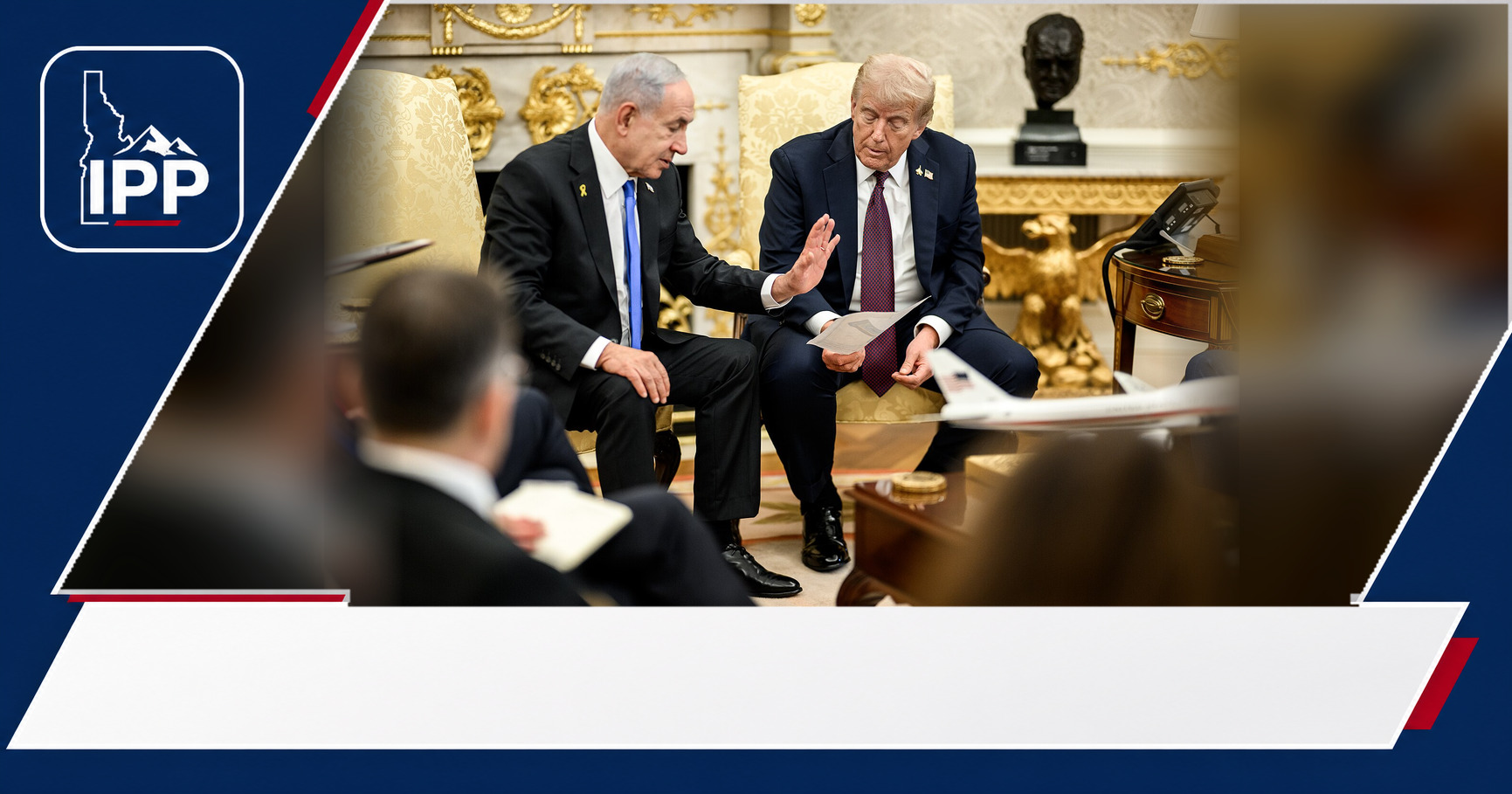
In that video, according to CBS, Mamdani said Netanyahu was not welcome in New York City. He also acknowledged that he did not have the authority to arrest the Israeli leader and called instead for federal action.
Some critics at the rally described the video as inflammatory. One participant told CBS that Mamdani was “throwing gasoline on the fire” and pitting communities against each other.
That criticism does not establish that Mamdani intended to encourage antisemitism. It does show how quickly foreign-policy language can become a local public-safety argument when New Yorkers already feel tension around hate crimes.
Supporters heard a different message
Mamdani’s defenders argued that his criticism was aimed at Zionism and Israeli government actions, not at Judaism or Jewish people. Rabbi Yisroel Dovid Weiss of Jews United Against Zionism told CBS that Mamdani was trying to clarify that Jewish people should not be blamed for what he described as Zionist actions.
That defense reflects a real divide within Jewish communities and among New Yorkers more broadly. Jewish identity, religious practice, Zionism and opinions about Israeli policy do not line up the same way for every person.
But disagreement over Israel does not erase the need to take antisemitic threats seriously. Jewish New Yorkers who say anti-Israel rhetoric can spill into anti-Jewish hostility are raising a safety concern as well as a political objection.
The measure now is consistency
Mamdani has said New York City has no room for antisemitism, hate or bigotry. The test now is whether that principle is reflected consistently when incidents are reported, when communities ask for reassurance and when political speech about Israel becomes heated.
For City Hall, that means communicating clearly, cooperating credibly with investigators and distinguishing protected political speech from conduct that targets people because they are Jewish.
The argument around Mamdani will not be settled by one rally, one video or one statement. But the governing standard is straightforward: political conflict over Israel cannot become indifference to the safety of Jewish New Yorkers, just as it cannot become indifference to any community facing hate.


Leave a Reply