
The online backlash claim is clear; the underlying evidence is not. That gap matters when a heated political-media story travels faster than the video, transcript or posts behind it.
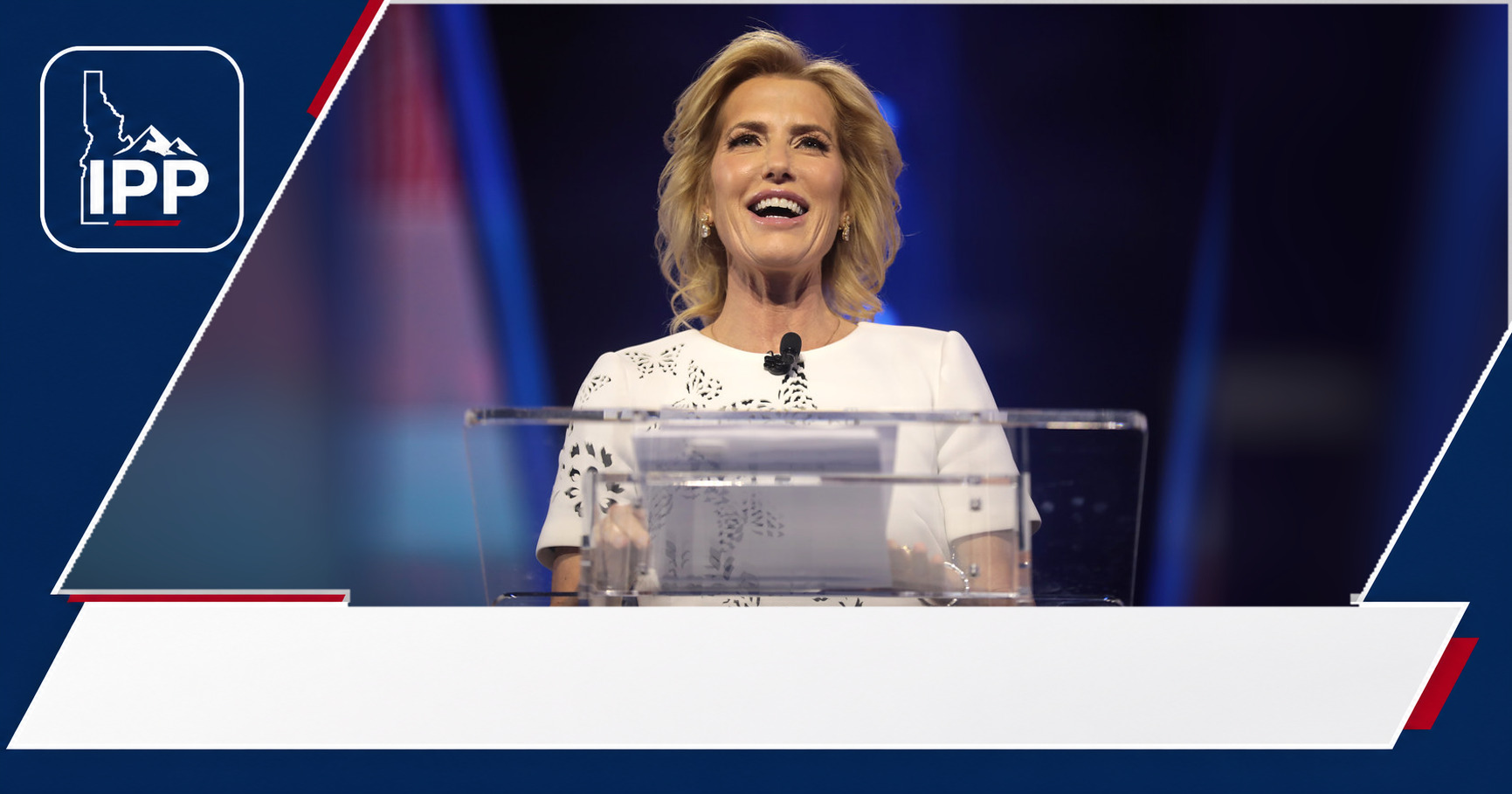
Social media users called out Fox News host Laura Ingraham over what was described as a “glaringly oblivious” political rant. The criticism focused on her political commentary, but the available material does not identify the program, date, remark or social media posts that prompted the backlash.
That means the central claim is that viewers considered Ingraham’s argument politically out of touch—not that a verified transcript shows why. Without the original clip or representative reactions, readers cannot determine whether users objected to a specific policy position, a perceived contradiction or the broader political context. The headline therefore points to an alleged online response, while the reason for describing the rant as oblivious remains unclear. The available reporting does not provide enough evidence to explain the criticism more specifically or fairly characterize Ingraham’s remarks.
What the available record says
The trend record supplied for this story identifies a headline about social media users criticizing Ingraham, a prominent Fox News personality. It characterizes the disputed remarks as a political rant and frames the response as a callout from users online.
Those are meaningful claims, but they are broad ones. “Social media users” can mean anything from a handful of high-engagement posts to a sustained reaction across platforms. The material provided does not identify the platform, the number of posts, the accounts involved, or whether the criticism represented a broad audience response.
It also does not preserve Ingraham’s words. That omission is especially important in political coverage, where a clipped sentence, an opening monologue, a guest exchange and a later social-media caption can create very different impressions of the same moment.
The missing clip changes the analysis
A political commentator can be criticized for overlooking facts, misstating an opponent’s position, speaking dismissively about people affected by a policy, or simply making an argument viewers reject. Those are not interchangeable accusations.
Calling a comment “oblivious” generally suggests that the speaker missed an obvious reality, contradiction or consequence. Yet the available record does not say what reality critics believed Ingraham overlooked. It does not identify a policy dispute, election issue, news event, interview subject or audience whose experience was at the center of the reaction.
That does not prove the criticism was baseless. It means the evidence needed to evaluate it is absent from the available research. A fair account would require the original Fox News segment or a reliable transcript, along with enough representative public posts to show what people were responding to.
Why online backlash needs context
Public figures with large television platforms often draw intense online reaction, particularly when discussing politics. Social media can surface legitimate criticism quickly, including useful fact-checks, firsthand perspectives and recordings that challenge a broadcaster’s framing.
It can also reward the fastest and sharpest interpretation. A headline built around outrage may travel widely before readers see the full exchange. That does not make public criticism invalid; it means volume and virality alone do not establish the accuracy of every characterization.
There is a real tension here. Critics may argue that established media hosts should face immediate scrutiny when they make claims on national television. Supporters may counter that a host’s argument should be judged through the complete segment, not through a hostile description of it. Both standards point to the same practical need: show the underlying material.
What can be verified now
Based on the supplied material, it is possible to say that a headline described online criticism directed at Ingraham and tied it to a political rant. It is also possible to say that the source record leaves major questions unanswered.
- Unclear: the specific remarks that triggered the response.
- Unclear: when and where Ingraham made them.
- Unclear: which social-media platform or posts drove the criticism.
- Unclear: whether critics cited factual errors, tone, omissions or a particular political position.
- Unclear: whether Ingraham or Fox News responded to the reaction.
The research material also includes an older LGBTQ Nation article whose page text concerns Dwyane Wade, Gabrielle Union and their daughter Zaya—not Ingraham’s alleged rant. While its search snippet repeats the viral headline, the article text does not substantiate the claim. A matching snippet is not a substitute for a source that documents the event.
The standard for a fair follow-up
A stronger report on the dispute would put Ingraham’s remarks first, in context, and then describe the response with identifiable examples. If critics say she ignored a fact or group of people, the report should specify what they say was omitted and provide evidence relevant to that claim.
It should also leave room for her actual argument. Political commentary is meant to provoke disagreement, and disagreement by itself is not proof that a host made a false or insensitive claim. The crucial question is whether the criticism accurately reflects what was said and what viewers could reasonably infer from it.
For now, the responsible takeaway is narrower than the viral wording: Laura Ingraham was the subject of a reported online political-media backlash, but the available record does not provide enough primary material to explain or independently assess the charge. In a media environment built for rapid reaction, that distinction is not a technicality. It is the difference between reporting a claim and proving it.










Leave a Reply