
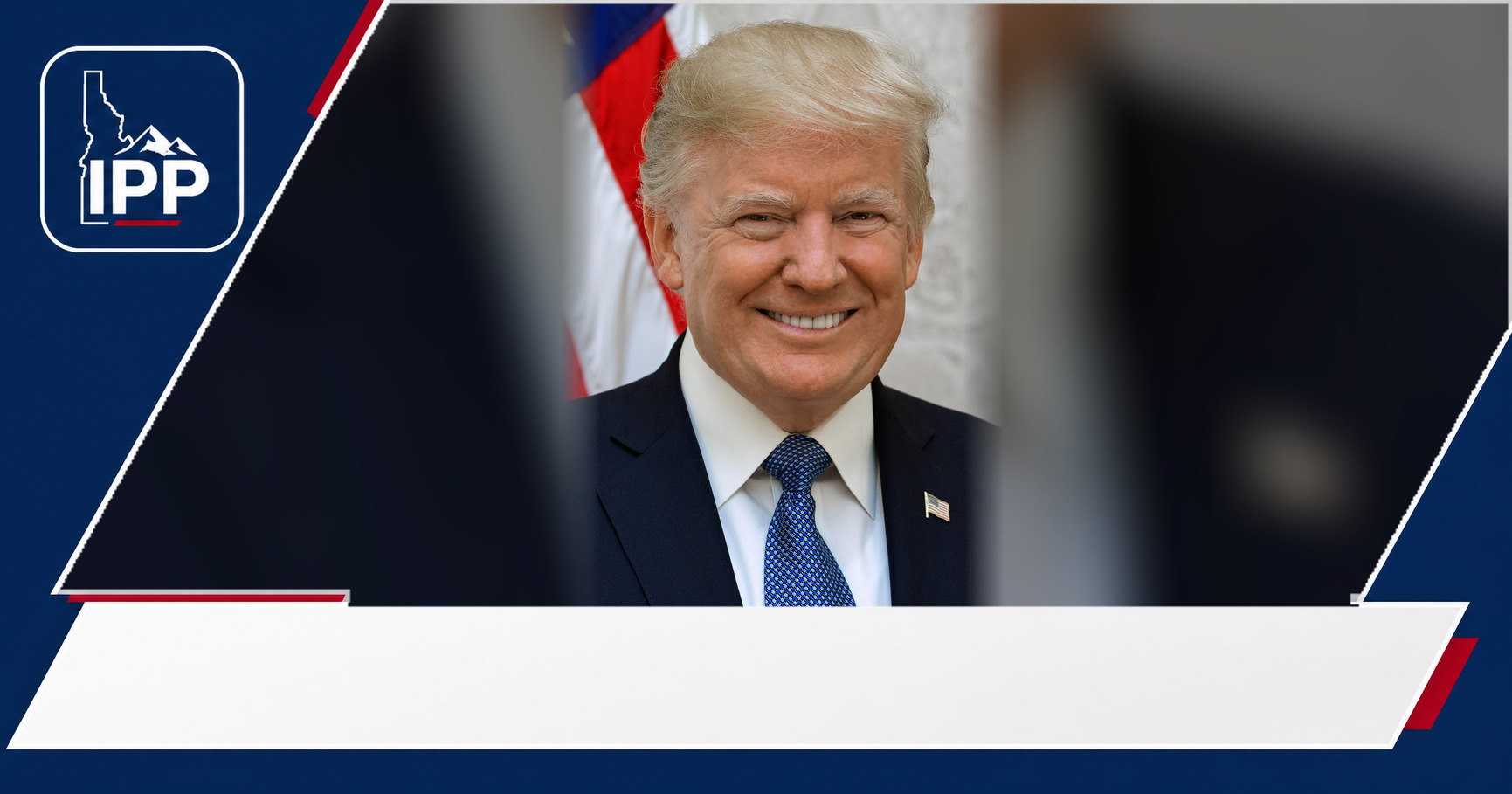
Harry Enten’s warning centers on a voter group that has been vital to Donald Trump’s political strength. If support is slipping there as well as among college-educated voters, the implications extend beyond one bad poll.
Harry Enten identified a worsening political trend for Donald Trump: declining support is not confined to college-educated voters. In CNN analysis, Enten said the trend is contributing to serious political trouble for Trump because non-college voters, a crucial part of Trump’s political coalition, are also moving in an unfavorable direction.
That is the heart of the warning. Presidents can withstand weak support with groups they routinely lose; trouble deepens when dissatisfaction reaches voters they need to remain competitive. Enten’s point is less about one isolated survey than about the breadth of the weakness reflected in recent polling.
The warning reaches beyond college voters
College-educated voters have long been a difficult constituency for Trump, particularly in national elections and many competitive suburban areas. Weak numbers with that group, by themselves, would not necessarily signal a new political reality.
Enten’s analysis focused on the added problem: non-college voters are not supplying the kind of political cushion Trump would need to offset losses elsewhere. In the CNN segment, he framed that shift as the reason Trump is in such serious political trouble.
That distinction matters because education has become one of the clearest dividing lines in American politics. A candidate can often survive one side of that divide being hostile if support on the other side is intense and durable. It becomes harder when neither side is providing enough room for error.
Why non-college voters carry weight
Non-college voters are not a single political bloc. They include Republicans, Democrats, independents, urban and rural voters, younger and older adults, and people with sharply different views of the country’s direction.
Still, the group has been especially important to Trump’s electoral identity. His campaigns have relied heavily on support from voters without four-year college degrees, particularly white working-class voters, to compete in pivotal states and to build margins outside major metropolitan areas.
That does not mean every non-college voter backed Trump or that every sign of discontent represents a permanent break. It means deterioration in that group can be more consequential for Trump than ordinary movement among voters who were already unlikely to support him.
In a closely divided political environment, a small decline in enthusiasm, approval or willingness to vote can matter. Elections are often decided not by sweeping conversions but by turnout changes and narrow shifts among voters who were previously dependable.
A coalition problem is harder to fix
Political polling is often discussed as a scoreboard: approval up, approval down, one candidate leading or trailing. Enten’s observation points to a more structural question—whether Trump’s coalition remains broad enough to absorb weaknesses with other voters.
A president facing skepticism among college-educated voters may try to compensate with strong backing among non-college voters. That strategy becomes less reliable if concerns about the administration, the economy, policy decisions or the country’s overall direction are also affecting the latter group.
This is why analysts pay attention to cross-group movement. A decline spread across several kinds of voters can be more politically meaningful than a dramatic shift within one narrow demographic category, even when the exact polling numbers differ from survey to survey.
There is also a practical campaign consequence. If a party must spend more time shoring up its core supporters, it has fewer opportunities to expand its reach with persuadable voters. The challenge is not merely winning back a number on a chart; it is rebuilding confidence across groups with different priorities.
Polls show direction, not destiny
There are important limits to any polling-based diagnosis. Individual polls can vary because of methodology, sample size, timing and the wording of questions. Voter views can also change quickly after major events, economic developments or sustained political messaging.
Approval and vote choice are not identical. A voter may disapprove of a president’s performance yet still support that president’s party, oppose the alternative more strongly, or simply not vote. Likewise, a respondent’s opinion in August does not settle how that person will behave in a later election.
Trump has also repeatedly demonstrated an ability to maintain loyalty among supporters despite negative coverage and weak conventional indicators. His political standing should therefore be evaluated through polling averages, turnout measures, party enthusiasm and actual election results—not a single segment or survey result.
But the counterargument has limits, too. Resilience depends on retaining a coalition large enough to win. The significance of Enten’s point is that a group commonly treated as a source of Trump’s resilience may no longer be offering an uncomplicated advantage.
The question is whether it persists
The next test is persistence. If the movement among non-college voters is temporary, Trump could regain lost ground as conditions change or as partisan loyalties reassert themselves. If it continues across multiple polls and over time, it would suggest a more durable challenge.
Trump’s allies are likely to argue that polling misses the intensity of his supporters and that voters will ultimately judge the administration against its opponents. Critics will argue that widespread dissatisfaction creates a ceiling that campaign messaging alone cannot easily break through.
Both views can coexist with uncertainty. Polling can identify warning signs, but it cannot by itself explain which concern will matter most when voters make a final choice.
For now, Enten’s analysis offers a clear measure of the risk: Trump’s political problem is more serious if discontent is crossing the education divide. Losing ground with voters who were already skeptical is one thing. Seeing weakness among non-college voters changes the map of what Trump needs to repair.
What to watch in future surveys
- Consistency: Whether several high-quality polls show the same pattern among non-college voters.
- Intensity: Whether voters are mildly dissatisfied or becoming less likely to support Trump and his party.
- Issue drivers: Whether economic concerns, policy disputes or broader assessments of leadership are behind the movement.
- Turnout signals: Whether weakened sentiment translates into lower enthusiasm among voters Trump has depended on.
- State-level effects: Whether any national shift appears in closely contested states, where small changes can have outsized consequences.
The immediate takeaway is not that an outcome has been decided. It is that the political math becomes much less forgiving when Trump cannot count on a strong advantage among non-college voters to balance weakness with college-educated voters.




Leave a Reply