
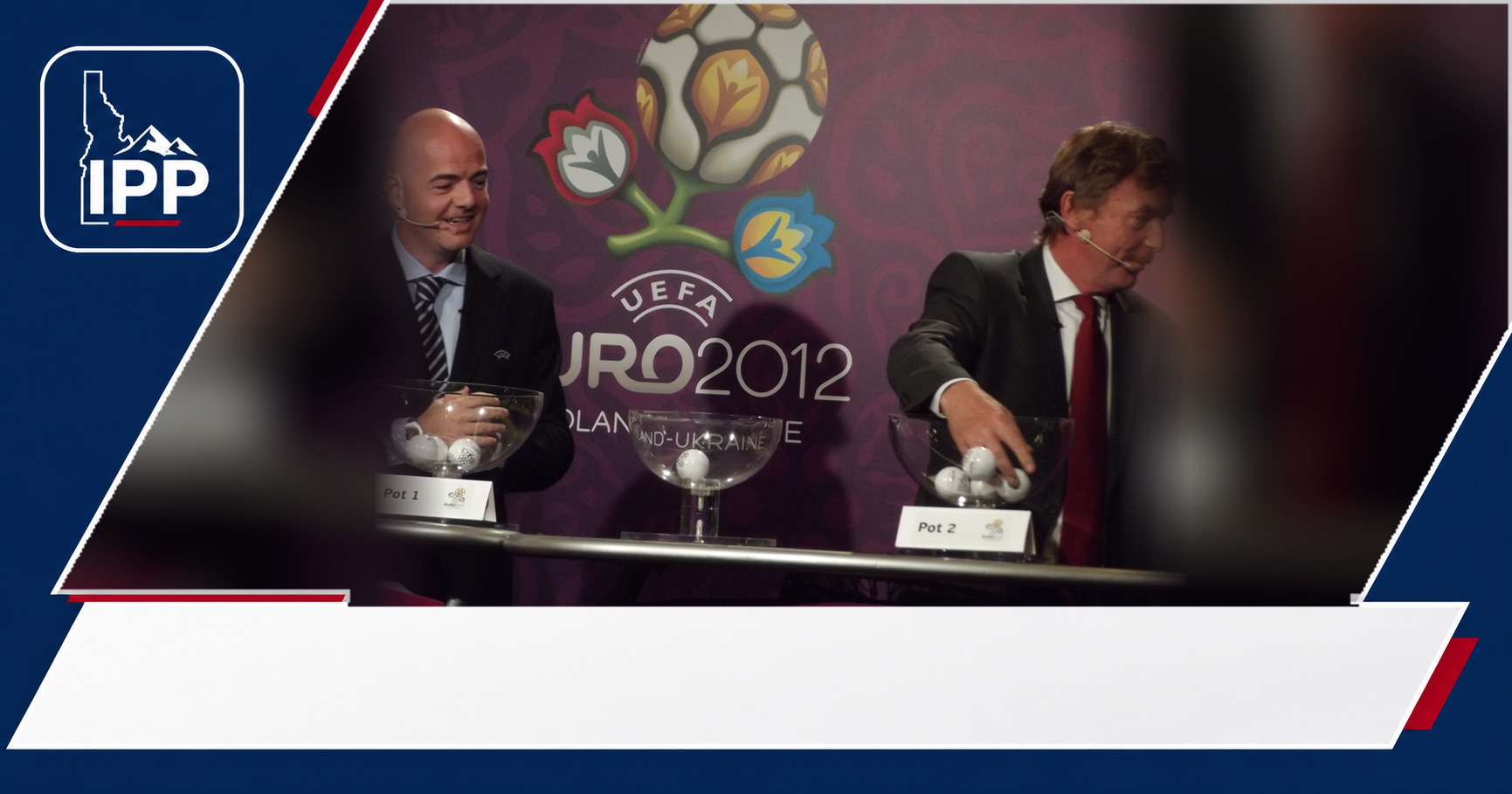
The FIFA president’s critics are tying multiple controversies to a larger question: whether the sport’s most powerful administrator has lost public trust.
Gianni Infantino is facing growing calls to resign as controversies involving the World Cup and FIFA intensify around criticism of his leadership as FIFA president. The backlash now centers on FIFA’s handling of a controversy-riven World Cup, disputes over technology and refereeing, and fresh scrutiny of Infantino’s public posture toward critics.
The pressure matters because Infantino is not merely defending one decision. He is defending FIFA’s direction at a moment when the World Cup is both the organization’s showcase and its biggest commercial engine.
Why resignation calls are rising
The latest wave of criticism has gathered around a familiar question in global soccer: when does controversy around FIFA become a leadership crisis for the person at the top?
A Game Day Chatter item distributed through MSN described Infantino as facing growing calls to resign over World Cup controversies. Separate reporting from The Guardian and The New York Times’ The Athletic has focused on Infantino’s response to critics, with The Athletic reporting that he lashed out at scrutiny of his leadership and FIFA.
The Guardian reported that Infantino accused critics of spreading hate in an open letter tied to World Cup criticism. That framing has become part of the story itself: critics see a defensive FIFA president unwilling to absorb public accountability, while supporters may view his response as a pushback against what he sees as unfair attacks on the tournament and the institution.
What is clear is that the pressure has moved beyond isolated complaints about individual matches. It now touches the tone of FIFA’s leadership, the organization’s appetite for criticism and the way the World Cup is being managed under Infantino.
The World Cup flashpoints
Reuters has described the tournament as controversy-riven, with FIFA’s embrace of technology backfiring amid disputes over refereeing decisions. That is a dangerous combination for any governing body: technology is supposed to reduce argument, not multiply it.
For FIFA, the problem is not only whether one call was right or wrong. It is whether fans, players and national teams believe the system is consistent, transparent and accountable. When technology becomes another source of confusion, it undermines one of the central promises made by modern sports administrators.
Infantino has long presented FIFA as an organization willing to modernize and expand. But a World Cup dominated by arguments over tools meant to improve fairness gives critics a simple counterargument: the modernization project is not delivering enough trust.
That tension helps explain why resignation calls can grow even when no single controversy fully defines the backlash. Each flashpoint becomes evidence in a broader case against the leadership style of FIFA’s president.
Ethics scrutiny adds pressure
The World Cup criticism is not the only issue circling Infantino. The Associated Press reported that a soccer peace prize for Donald Trump triggered complaints about Infantino to FIFA ethics investigators.
That matter is separate from the technology and refereeing disputes, but it feeds the same leadership narrative. FIFA has spent years trying to move past its reputation for political entanglement, opaque decision-making and ethics troubles. Any new complaint involving the president draws attention because of that institutional history.
It is important to be precise: an ethics complaint is not the same as a finding of wrongdoing. The AP report indicates that complaints were triggered and directed to FIFA ethics investigators. What happens from there depends on the process, the evidence and whether FIFA’s internal bodies take further action.
Still, the optics are hard to dismiss. At a time when Infantino is already under fire for World Cup controversies, additional scrutiny over a politically charged soccer honor gives his critics another reason to argue that FIFA’s leadership is too personally centered on him.
Infantino’s defense is telling
Infantino’s reported response to critics has sharpened the divide. According to The Guardian, he accused critics of spreading hate. The Athletic likewise reported that he lashed out against scrutiny of his leadership and the organization.
That kind of response may appeal to people inside FIFA who believe the president is being targeted by hostile outside voices. Major tournaments attract enormous political, commercial and cultural pressure, and FIFA leaders often argue that critics overlook the scale of what the organization is trying to deliver.
But the language also carries risk. When a president of a global sports body characterizes criticism in sweeping moral terms, it can make legitimate questions sound like personal attacks. That may harden supporters, but it can also alienate fans and stakeholders who expect transparency rather than combat.
The strongest defense of Infantino is that running FIFA means making unpopular decisions and absorbing constant criticism. The strongest argument against him is that the accumulation of controversies now makes his leadership itself the issue.
Commercial ambition meets public trust
FIFA’s own messaging underscores what is at stake. In a FIFA president’s message published on Inside FIFA, Infantino said he aims to “unleash the commercial potential and opportunity that FIFA has” after the World Cup.
That ambition is not surprising. FIFA’s financial model depends heavily on the World Cup, and the organization has repeatedly sought to expand the game’s revenue, reach and global footprint. Commercial growth is part of the job.
The problem is that commercial ambition needs legitimacy. If fans see FIFA as too focused on opportunity and not focused enough on fair competition, accountability and credible governance, every business move becomes easier to criticize.
That is the deeper threat to Infantino’s standing. Resignation pressure grows fastest when different grievances begin to reinforce one another: refereeing frustration, technology confusion, ethics questions, and a leadership response that critics see as dismissive.
What remains uncertain
There is no sign from the available reporting that Infantino has agreed to step down. There is also no clear public indication, based on the extracted material, that FIFA’s internal power structure is preparing a formal move against him.
That distinction matters. Public calls to resign can damage a leader’s authority, but removing or forcing out a FIFA president is a different matter. FIFA politics are shaped by member associations, regional alliances, sponsors, tournament economics and internal governance rules, not only by public sentiment.
The next phase will likely turn on three questions: whether World Cup controversies keep growing, whether FIFA’s ethics process produces more serious developments, and whether influential soccer stakeholders decide the criticism is hurting the institution more than Infantino is helping it.
For now, the story is less about an imminent exit than a loss of insulation. Infantino faces growing calls to resign because multiple controversies have converged at once, and each one makes it harder for the FIFA president to present the World Cup as proof of strong leadership.




Leave a Reply