
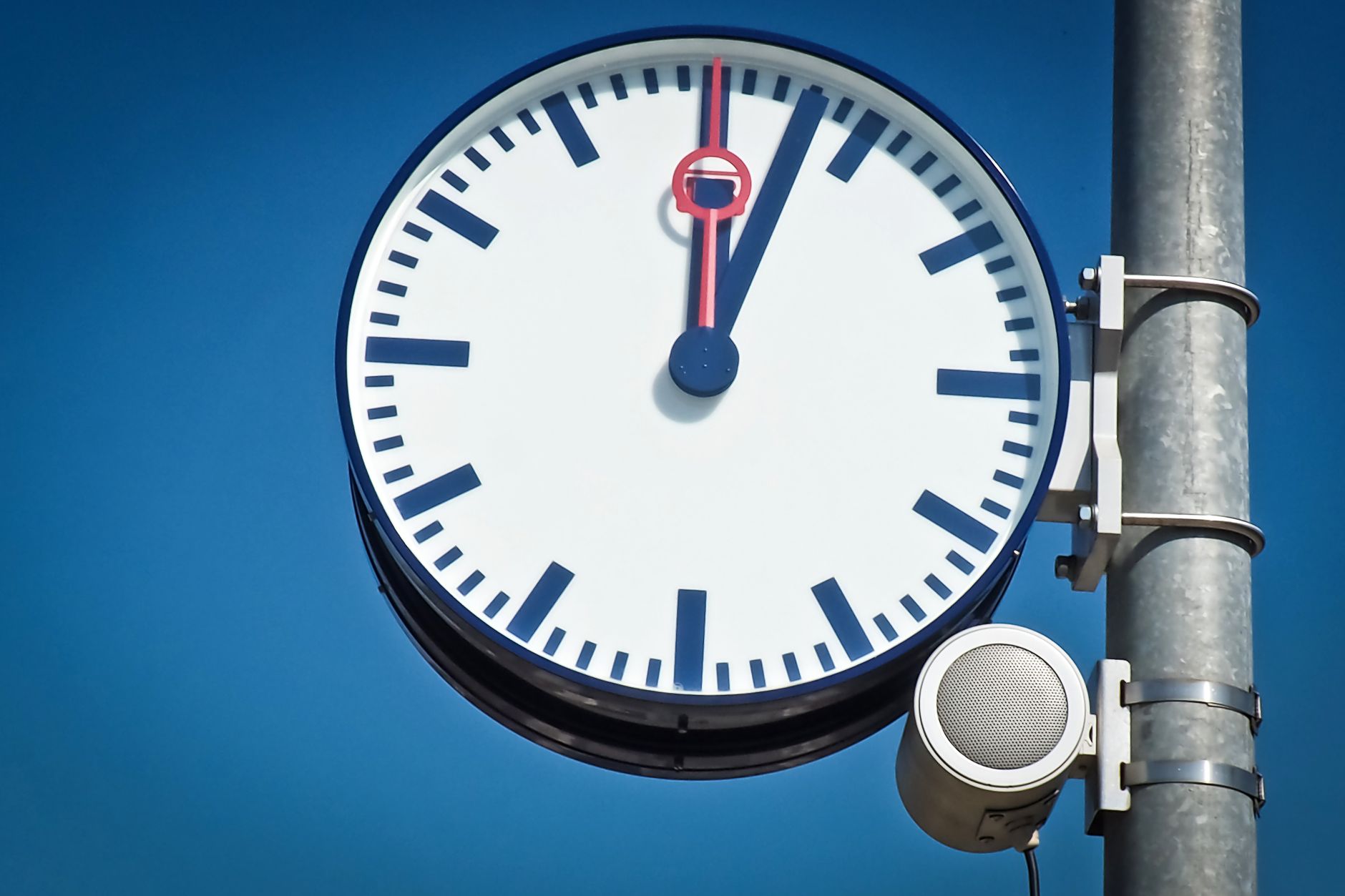
Keeping daylight saving time year-round would move winter daylight later on the clock, brightening many evenings but making already-dark mornings even later. The tradeoff depends heavily on where people live and when they start school or work.
Permanent daylight saving time would change winter daylight by shifting winter sunset timing one hour later on the clock. In many places, that could prevent sunsets before 5 p.m. during parts of winter—but it would also push sunrise an hour later, leaving more mornings dark.
That is the central tradeoff behind proposals to end the twice-yearly clock change. The policy cannot create extra winter sunshine; it only decides whether scarce daylight arrives earlier or later in the day.
Later sunsets are only half the story
Under the current U.S. system, most of the country returns to standard time in the fall. Clocks move back one hour, so sunrise and sunset occur an hour earlier by the clock than they did the day before.
If daylight saving time stayed in force permanently, winter sunset would generally be one hour later than under current standard time. A location where the sun sets at 4:35 p.m. on standard time would see a 5:35 p.m. sunset under year-round daylight saving time.
That is why permanent daylight saving has an obvious appeal for people who finish work, school or errands in late afternoon. More of their active hours could overlap with daylight.
But the same clock shift applies at dawn. A 7:10 a.m. winter sunrise becomes 8:10 a.m.; a sunrise that is already close to 8 a.m. can move toward 9 a.m. on the darkest days of the year.
Winter geography still sets the limit
A permanent policy would not erase short winter days. Earth’s tilt, latitude and the calendar determine the total number of daylight hours; changing the clock cannot alter any of them.
Places farther north have the sharpest seasonal squeeze. They may gain a later afternoon sunset, yet still face very late winter sunrises because daylight is limited in the first place. Southern locations have more winter daylight overall and generally experience less extreme morning darkness.
The exact result also varies within a time zone. Communities on a time zone’s western edge tend to see later solar noon, later sunrises and later sunsets than places on its eastern edge. A national switch would therefore feel different in Boston, Detroit, Nashville, Denver and Seattle even though the legal clock change is the same.
- For evening routines: the extra clock hour can mean daylight for a commute home, exercise, shopping or outdoor activities.
- For morning routines: the lost clock hour can mean children, drivers and outdoor workers begin their day before sunrise more often.
- For winter daylight overall: nothing changes; only its placement on the clock does.
The current congressional proposal
The Sunshine Protection Act of 2025 would make daylight saving time the permanent standard time, according to Congress.gov’s summary. The proposal also says states with areas currently exempt from daylight saving time could choose standard time for those areas.
There are companion measures in the 119th Congress. H.R. 139, introduced by Rep. Vern Buchanan of Florida, is listed by Congress.gov as having passed the House and, as of July 15, 2026, having been received in the Senate and referred to the Senate Commerce, Science, and Transportation Committee.
S. 29, introduced by Sen. Rick Scott of Florida on January 7, 2025, remains listed as introduced and referred to that committee. Neither bill has become law, so Americans still need to change clocks under the existing federal framework unless their state or territory is already exempt.
Why the 5 p.m. promise varies
“No more sunsets before 5 p.m.” is an understandable shorthand, but it is not a universal guarantee. A one-hour shift would move every listed sunset later, yet some far-northern places can have midwinter sunsets early enough that even the added hour does not clear 5 p.m.
It also depends on the date. Around the winter solstice, daylight is at its shortest; by late winter, sunsets are already moving later each day. The policy’s visible effect would be greatest during the stretch when standard-time evenings feel abruptly dark.
For many households, the more consequential comparison may not be sunset at all. It may be whether daylight lines up with an 8 a.m. school bell, an early shift, a long rural bus route or a morning commute.
The case for brighter evenings
Supporters of permanent daylight saving argue that the clock changes themselves are disruptive and that later light better matches how many people spend their waking hours. A brighter late afternoon may make it easier to walk, exercise, run errands or spend time outdoors after work.
Ending the spring and fall switches also has intuitive appeal because it removes the biannual adjustment. The Department of Transportation oversees time-zone and daylight-saving-time policy, while Congress would need to change federal law to make a nationwide permanent daylight-saving arrangement possible.
The political appeal is real: people tend to experience the loss of evening light immediately when clocks fall back. Still, broad support for stopping clock changes does not automatically settle which clock should remain in place.
Why darker mornings raise concerns
Critics of year-round daylight saving focus on the winter sunrise problem. Morning light helps set the body’s daily rhythm, and an additional hour of pre-sunrise activity could be especially difficult for students, commuters and workers whose schedules begin early.
There is also a historical caution. The United States tried year-round daylight saving during the 1970s energy crisis, but the arrangement became unpopular amid concerns about dark winter mornings and was later reversed. That experience does not dictate today’s policy, but it explains why the debate is more complicated than simply choosing brighter evenings.
Permanent standard time offers the opposite bargain: earlier winter sunrises and earlier sunsets. Some sleep and circadian-rhythm experts have favored standard time as a closer match to natural morning light, while advocates for permanent daylight saving emphasize social schedules and evening activity.
A clock choice, not a sunlight fix
The practical takeaway is straightforward. Permanent daylight saving time would likely make winter evenings feel less cut short for many Americans, and it could move a large share of sub-5 p.m. sunsets past that marker. It would not lengthen winter days or end early darkness in every location.
Before any federal change takes effect, Congress would need to complete the legislative process and a president would need to sign the measure. Until then, the most important unanswered policy question remains whether the country prefers to place winter’s limited daylight before the workday—or after it.











Leave a Reply