
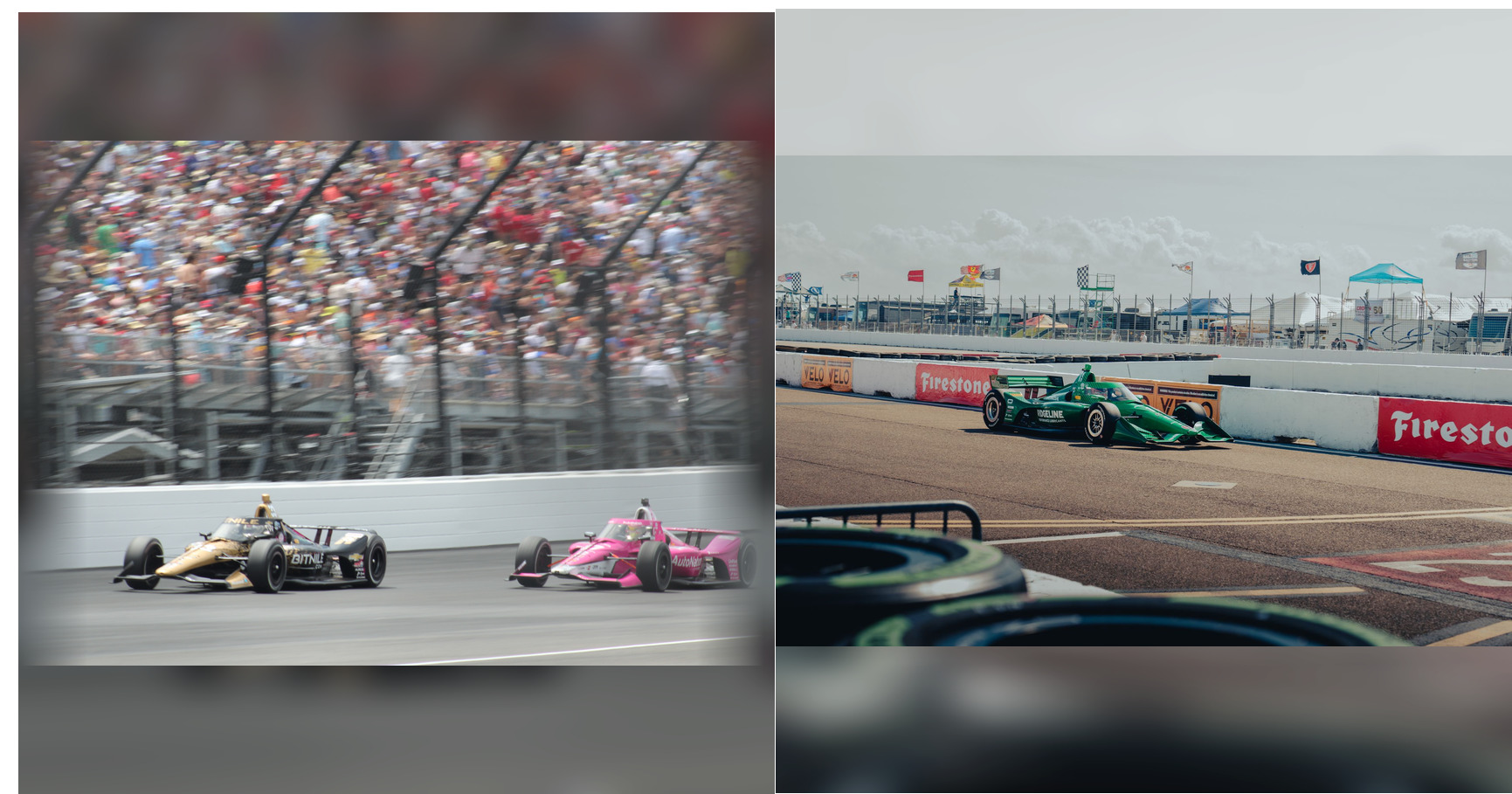
IndyCar's inaugural Washington, D.C., street race turned Pennsylvania and Independence avenues into a 160 mph circuit. The event also put a highly visible Trump administration celebration of America's 250th anniversary at the center of a major motorsports weekend.
IndyCar drivers competed in the Freedom 250 Grand Prix on Washington, D.C., streets on August 23, 2026, looping around the National Mall on Pennsylvania Avenue and Independence Avenue. Kyle Kirkwood won the Trump-backed event, D.C.’s first-ever IndyCar street race, as cars reached 160 mph and an estimated 150,000 spectators watched.
The result gave Kirkwood the headline moment, but the Freedom 250 Grand Prix was designed as more than a race. It brought high-speed motorsports into one of the country’s most recognizable public spaces during a year of events tied to the 250th anniversary of American independence.
Kirkwood takes the first D.C. crown
Kirkwood emerged as the winner of the inaugural race, according to The Washington Post’s report from the event. Winning a first edition matters in any new race, but this one arrived with the unusual weight of a capital-city debut, a course by national monuments and direct White House promotion.
For IndyCar, the race added another urban setting to a series that already relies on a mix of oval tracks, permanent road courses and temporary street circuits. D.C. offered a striking visual identity that no conventional motorsports facility can duplicate: the cars raced in the vicinity of the National Mall rather than at a purpose-built track outside the city.
The Washington Post reported that drivers ran along Pennsylvania and Independence avenues at speeds of 160 mph. That contrast—open-wheel cars moving at racing speed through a place most visitors associate with museums, memorials and civic demonstrations—was central to the event’s appeal.
A National Mall circuit, not a normal venue
The Freedom 250 course was a 1.66-mile layout with seven turns, and drivers were set to complete 147 laps for a distance of roughly 250 miles, according to the Washington Post. The name and mileage linked the race to the nation’s semiquincentennial celebrations.
A temporary street course requires far more than closing a road. Racing organizers must create a safe, controlled circuit with barriers, fencing, access points, emergency plans and facilities for teams, broadcast crews and spectators. In Washington, those logistical demands were heightened by the area’s federal buildings, tourist traffic and protected public spaces.
The scale of the crowd underscored the challenge. The Post described upward of 150,000 spectators attending. That estimate signals significant interest, while also making transportation, security, entry routes and neighborhood disruption part of the event’s public legacy.
Trump administration made it a showcase
President Donald Trump and his administration tied the Freedom 250 Grand Prix to the broader America 250 celebration. In a January fact sheet, the White House said Trump signed an executive order launching the event near the National Mall in honor of the country’s 250th birthday.
The order directed the Interior and Transportation departments to identify a suitable route and handle necessary permits and approvals. It also called for coordination with Washington’s mayor on roads, trails and bridges involved in the course, according to the White House.
The administration framed the race as a celebration of American engineering, motorsports history and national landmarks. That framing helps explain why the event received attention beyond regular IndyCar audiences: it was presented as a signature civic spectacle, not simply another stop on a racing calendar.
Supporters can see that approach as an inventive use of public space and a way to introduce new audiences to IndyCar. Critics may reasonably question the cost, traffic impact and precedent created when a major federal backdrop is turned into a commercial sporting venue. The available source material does not settle those debates or provide a full public accounting of the event’s expenses.
Why the debut carries real stakes
Street races can be powerful advertisements for a racing series because the city itself becomes part of the broadcast. The National Mall gave the Freedom 250 an instantly recognizable setting that few motorsports events can match, potentially expanding IndyCar’s reach among casual viewers and visitors.
But the same setting raises a higher standard. A race around one of the nation’s most symbolically important public areas has to persuade residents, commuters, federal agencies and preservation-minded groups that the temporary disruption is worth the payoff.
There is also a distinction between a successful opening-day crowd and a sustainable annual event. The Freedom 250 benefited from its novelty, its America 250 connection and the visibility that comes with Washington. Whether it becomes a lasting race will depend on repeat attendance, operational performance, local support and the willingness of organizers and public agencies to keep making the route available.
What remains after the checkered flag
Kirkwood’s win is the result that will enter the record books, and the Freedom 250 will be remembered as D.C.’s first IndyCar street race. Yet the more consequential questions are administrative and civic: how the event affected daily movement around the Mall, how public resources were used and whether its supporters can make the case for a return.
The White House described the race as the first IndyCar street event in the nation’s capital. The Washington Post’s account showed what that vision looked like in practice: cars at 160 mph, a large crowd and a winner navigating an improvised circuit through the center of Washington.
For now, the event delivered the clearest possible sporting finish. Kyle Kirkwood won the Freedom 250, while IndyCar and Washington learned what it takes to stage a race where the capital’s civic landscape is as much a part of the show as the cars themselves.

Leave a Reply