

The reported reversal points to a bigger problem than one shelved plan: Washington is trying to shrink its European footprint while keeping allies convinced it is still committed.
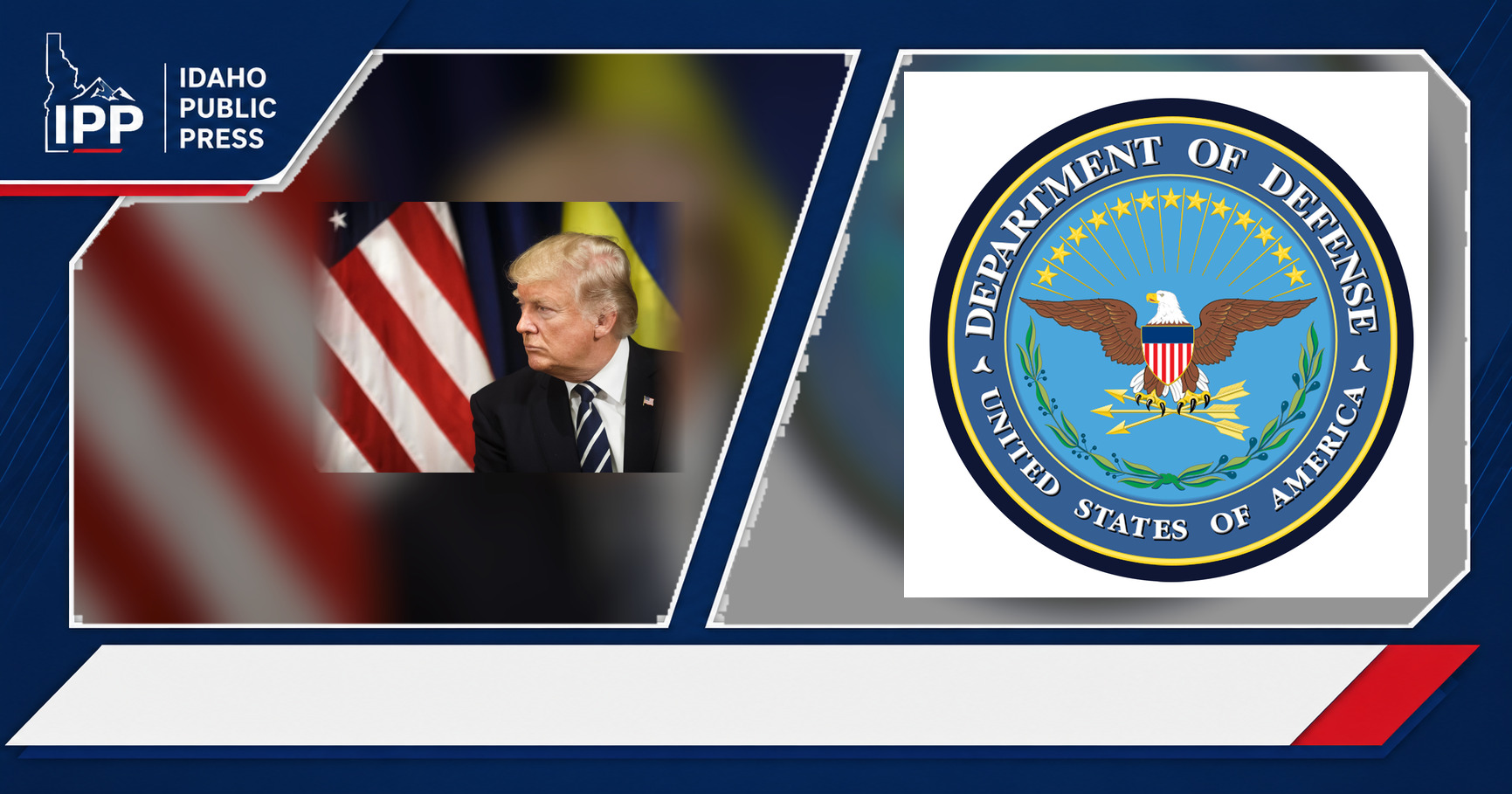
A reported Pentagon plan tied to Defense Secretary Pete Hegseth to reduce U.S. troops in Europe has been stopped before it could become policy, according to The Wall Street Journal.
The reversal matters because it lands in the middle of a larger U.S. debate over NATO, Russia deterrence and whether Europe should prepare for less American muscle on the continent.
A plan that did not survive
The Wall Street Journal reported that Hegseth had prepared a significant plan to cut U.S. troop levels in Europe, only for the proposal to be nixed. The report did not simply describe a routine staffing discussion; it pointed to a real policy push that apparently ran into resistance before implementation.
That distinction is important. A shelved plan can still reveal where an administration wants to go, even if it is not ready or able to get there yet.
In this case, the reported plan fits a broader pattern. U.S. officials have been openly reviewing America’s European posture and pressing NATO allies to take on more responsibility for their own defense.
The question now is not just whether this particular plan is dead. It is whether the push for a smaller U.S. footprint in Europe has merely been delayed, narrowed or moved into another bureaucratic lane.
The public review is still alive
The reported cancellation does not mean the Pentagon has abandoned the larger issue. The Washington Post reported in June that Hegseth told NATO counterparts in Brussels the Pentagon would conduct a six-month review of U.S. troop levels in Europe.
That review, according to the Post, was part of an effort to scale back the U.S. military footprint and shift more of NATO’s role to European allies. The same report said the United States was immediately reducing the number of assets it would activate for Europe in a crisis.
That is why allies are watching the wording closely. A troop-cut plan can be blocked, but a force posture review can still produce major changes months later.
For European capitals, the uncertainty is almost as consequential as the outcome. Defense ministries plan budgets, exercises and readiness around assumptions about what the United States will provide. If those assumptions keep shifting, planning gets harder.
NATO assets are already in play
The discussion is not limited to soldiers stationed in Europe. The New York Times reported that the United States planned to significantly reduce aircraft and warships made available for NATO operations in Europe, including a pullback involving fighter jets.
Those kinds of assets matter because they are not symbolic. Fighter aircraft, air-defense capacity, naval assets, logistics networks and command structures are the backbone of how NATO would respond in a crisis.
Cutting troops is one form of retrenchment. Cutting the assets NATO can count on in wartime is another. Together, they shape whether European allies believe the U.S. commitment is becoming leaner, more conditional or simply less predictable.
That is the tension behind the Hegseth-linked plan. Washington can argue that Europe needs to carry more weight, and many U.S. officials across administrations have made some version of that argument. But allies also judge commitment by what forces and capabilities are actually available when the pressure rises.
Poland shows the whiplash risk
The practical costs of shifting troop decisions are already visible. PBS, citing Associated Press reporting, said U.S. defense officials described confusion after President Donald Trump’s back-and-forth on troop levels in Europe.
According to that report, NATO allies were bewildered when Trump said he would send 5,000 U.S. troops to Poland weeks after ordering the same number pulled from Europe. PBS also reported that the announcement came the same day the Pentagon had officially ordered the cancellation of a rotation of soldiers heading to Poland.
The unit’s equipment was already moving. U.S. Transportation Command said sending it cost $32 million, according to the PBS/AP report.
That is where strategy becomes concrete. Reversals do not just create headlines in Washington or Brussels. They affect families, deployment schedules, shipping plans, training cycles and budgets.
The message Russia hears
European allies are not only looking at spreadsheets. They are weighing what these signals say to Moscow.
PBS reported that uncertainty over U.S. troop levels was rattling European allies worried about the message being sent to Russia. That concern is not abstract. NATO deterrence depends on convincing a potential adversary that the alliance’s response would be fast, unified and credible.
If the United States is seen as debating a smaller role, Europe may accelerate its own defense buildout. That could be exactly what Washington wants in the long run. The danger is the gap between the old U.S.-heavy model and a future Europe that is more capable but not there yet.
That transition period is where mixed signals can be costly. A planned drawdown can be managed. A surprise drawdown, a canceled drawdown and a review running in parallel can all leave allies guessing about the real policy.
What remains unresolved
The immediate takeaway is narrow but important: a reported Hegseth-linked plan to cut U.S. troops in Europe did not move forward as prepared.
The larger takeaway is messier. The administration’s interest in reducing the U.S. burden in Europe has not disappeared, and the Pentagon’s formal review could still reshape the American presence on the continent.
Three questions now matter most:
- How large any future troop changes will be. A minor adjustment would send a different signal than a major reduction.
- Whether cuts affect permanent forces, rotations or crisis-response assets. Each has different consequences for NATO planning.
- How closely allies are consulted before decisions are made. Coordination can soften the shock; reversals can deepen doubt.
For readers trying to understand the stakes, the key is this: the blocked plan is not the end of the story. It is a glimpse of a fight inside U.S. policy over how much of Europe’s defense burden America still wants to carry, and how quickly Washington thinks that burden can be shifted.









Leave a Reply