
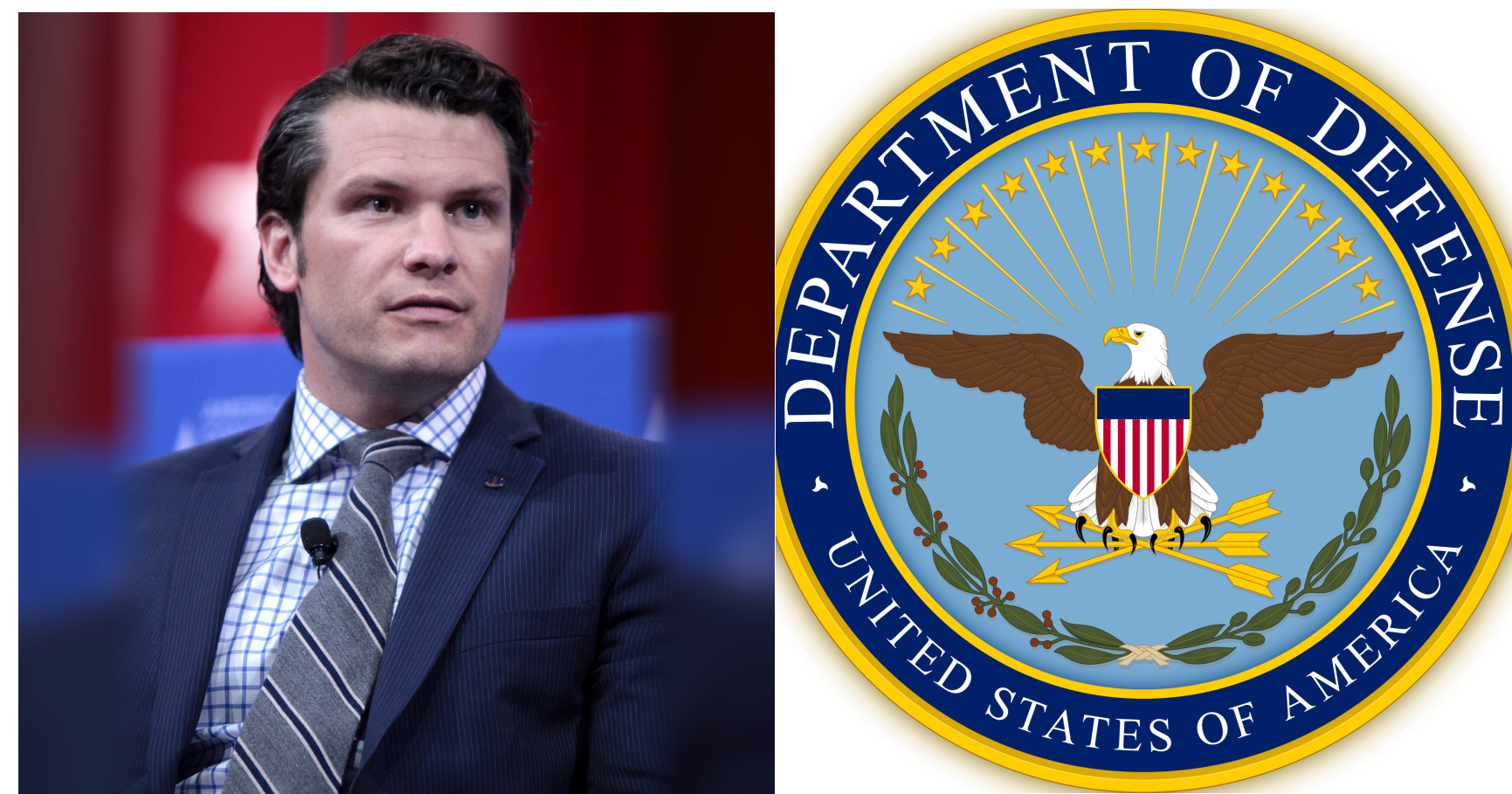
The Pentagon’s civilian-harm framework was designed to give commanders better information, training and accountability when U.S. operations put civilians at risk. Its dismantling raises a practical question: what safeguards will remain in place when those specialized offices and positions disappear?
Pete Hegseth moved to terminate a Pentagon program focused on preventing civilian harm, including offices and positions meant to help the U.S. military avoid killing or injuring civilians during armed conflict. The reported move would dismantle parts of a Defense Department system created to prevent and respond to civilian casualties, putting its training, data and accountability functions in question.
Hegseth’s decision matters because the Pentagon itself had described civilian-harm mitigation as both a moral obligation and a military necessity. The issue is not whether war can be made harmless; it is whether the department will retain dedicated expertise intended to help commanders identify risks, investigate incidents and learn from mistakes.
What Hegseth is moving to end
The New York Times reported on March 4, 2025, that Defense Secretary Hegseth was moving to terminate Pentagon offices and positions focused on preventing and responding to civilian harm. The reporting did not establish that every policy, duty or military practice connected to civilian protection would automatically end.
That distinction matters. A department can retain broad legal obligations and operational rules while eliminating the people, offices and institutional structure designed to make those responsibilities consistent across the force.
The affected work grew out of the Pentagon’s Civilian Harm Mitigation and Response Action Plan, released in August 2022. The framework called for new structures, standardized processes and military-wide learning aimed at reducing harm to civilians in U.S. operations.
A system built after hard lessons
The 2022 action plan was not presented as a promise that civilian casualties would disappear. It was designed as a management and operational system: gather better information, make civilian-risk considerations part of planning, assess incidents more consistently and incorporate lessons into future missions.
The Defense Department said the plan would establish a civilian protection center of excellence, improve data collection and reporting, and build civilian-harm considerations into doctrine, operational plans, exercises and professional military education.
In practical terms, that meant trying to ensure that civilian-protection concerns did not depend solely on the judgment of an individual unit or commander in a fast-moving operation. A standing office and shared processes can preserve institutional knowledge when personnel rotate, missions change or a crisis puts pressure on normal procedures.
The plan also called for improved assessments and responses after civilian harm occurs. That includes the difficult work of determining what happened, maintaining records, assessing whether procedures failed and considering how to avoid a repeat.
Why civilian protection is operational
Debates over civilian casualties are often framed only as moral or legal questions. Those questions are central, but the Pentagon’s own 2022 explanation made a second argument: protecting civilians can affect whether a military campaign succeeds.
According to the department’s fact sheet, tactical gains can produce strategic failure if military operations do not take adequate account of the civilian environment. Civilian deaths and damage to essential infrastructure can deepen hostility, weaken local trust, complicate partnerships and give armed adversaries powerful propaganda material.
That is why the Pentagon’s previous framework reached beyond post-strike investigations. It included planning, training, data, command oversight and cooperation with allies and partners. Its premise was that reducing civilian harm requires preparation before an operation, not only review after an incident.
Critics of dedicated civilian-harm offices may argue that such structures create bureaucracy, duplicate commanders’ responsibilities or slow decisions in combat. Supporters counter that the point of specialized staff is to give commanders better information early enough to make sound decisions, rather than add a separate layer after the fact.
Legal duties do not answer everything
The United States remains bound by the laws of armed conflict and by its own rules governing military operations. Those obligations include principles intended to distinguish military targets from civilians and to limit attacks expected to cause excessive civilian harm in relation to the anticipated military advantage.
But legal standards alone do not dictate the size of a Pentagon office, the quality of training, the reliability of casualty data or how thoroughly an incident is reviewed. Those are institutional choices, and they can shape how consistently broad obligations are carried out.
This is the gap at the center of Hegseth’s reported move. Eliminating an office devoted to civilian-harm mitigation does not, by itself, prove that troops will be ordered to disregard civilians. It does mean the department could lose dedicated personnel and mechanisms whose stated purpose was to help prevent, document and respond to civilian harm.
The headline claim that a program “kept troops from killing civilians” should therefore be read carefully. No program can guarantee that civilians will never be killed or injured in war. The available Defense Department description says the initiative was intended to reduce risk, improve accountability and strengthen the military’s capacity to mitigate harm.
Questions the Pentagon still faces
The most important unanswered question is what, if anything, replaces the offices and positions Hegseth is moving to terminate. The public reporting described the proposed dismantling, but it did not provide a full substitute structure for the center of excellence, data systems, training functions or incident-response work envisioned in the 2022 plan.
There are several concrete issues to watch:
- Whether civilian-harm training remains part of military education and pre-deployment preparation.
- Whether commanders retain access to dedicated civilian-environment analysis and risk expertise.
- Whether the Pentagon continues standardized reporting and centralized data practices for civilian-harm incidents.
- Whether assessments, investigations and responses to credible reports of civilian casualties remain consistent across combatant commands.
- Whether Congress seeks details on staffing cuts, funding changes or replacement procedures.
The Pentagon previously said the action plan would improve transparency and accountability as well as operational performance. If the department changes course, the meaningful test will be less about the name of an office than about whether those functions continue in a clear, staffed and measurable form.
The real measure is what survives
Hegseth’s move places a specialized Pentagon reform effort on the chopping block. It also reopens a long-running argument over whether civilian-protection systems are an essential part of effective military operations or an administrative burden that can be folded into existing commands.
For civilians caught near U.S. military operations, the distinction is far from abstract. The value of the old framework rested on whether it improved decisions before harm occurred and produced credible learning when it did.
The Defense Department’s 2022 position was straightforward: protecting civilians was tied to long-term battlefield success. As the civilian-harm offices and positions are dismantled, the unresolved issue is whether the Pentagon can preserve that capability without the dedicated architecture built to support it.











Leave a Reply