
More than a catchy office-hours anthem, “9 to 5” gave women’s frustrations with unequal pay, harassment and stalled promotions a memorable public voice. Its comedy and singalong chorus helped turn workplace inequity into a conversation far beyond the screen.
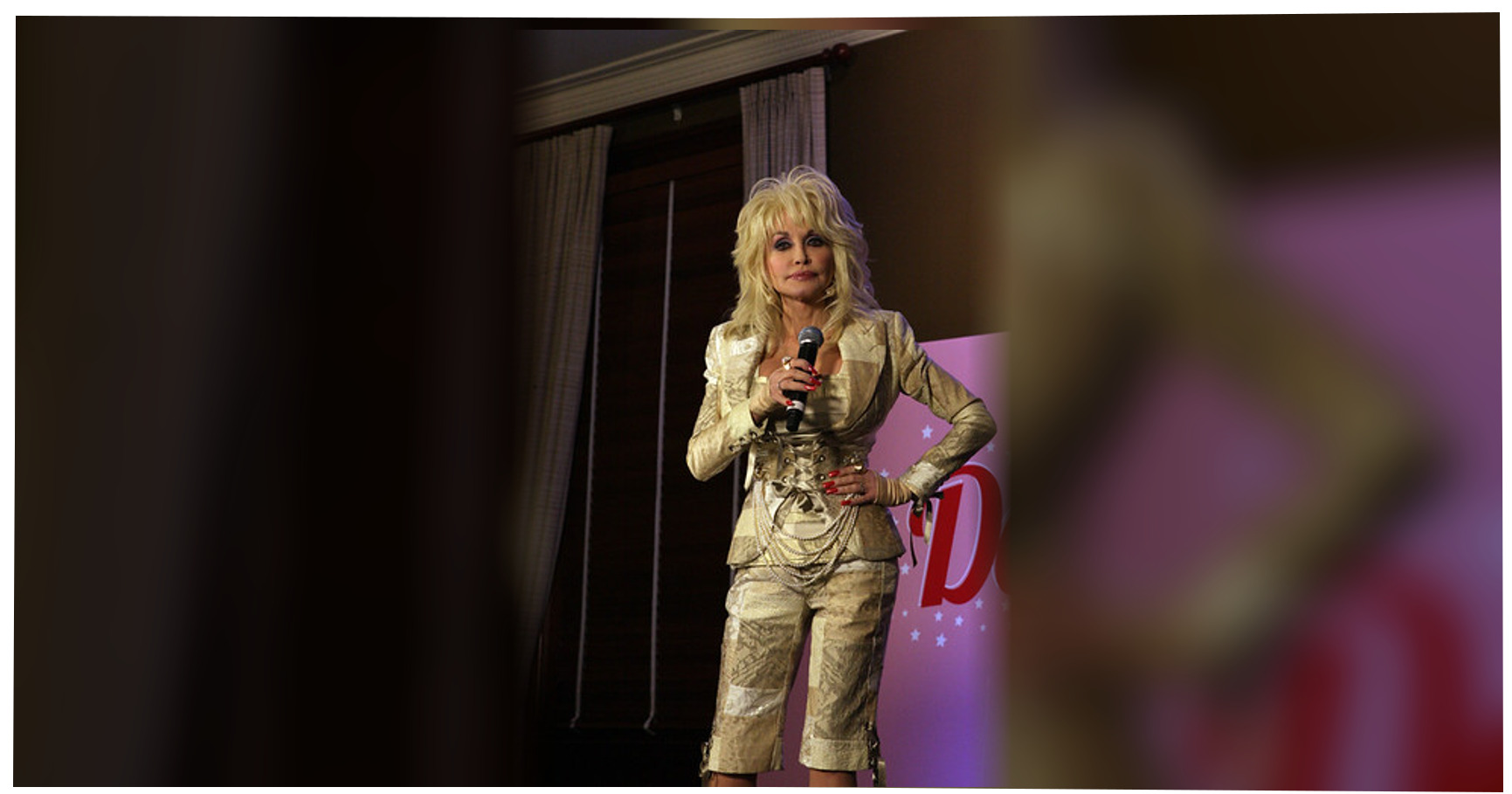
Dolly Parton’s song and film “9 to 5” left a legacy of empowerment by putting gender inequality and sexism in the workplace at the center of a hugely accessible comedy. The 1980 film, starring Parton, Jane Fonda and Lily Tomlin, and Parton’s hit theme song gave working women—and American workers more broadly—a language for resentment, ambition and collective pushback.
That matters because “9 to 5” did not treat office frustrations as small personal complaints. It framed them as a system: a workplace where women’s labor was undervalued, promotions were withheld and sexual harassment was tolerated by the man at the top.
A comedy with a sharper target
9 to 5 follows three office workers with different reasons to resent their boss, Franklin Hart Jr., played by Dabney Coleman. Violet Newstead, played by Tomlin, is passed over for a promotion; Judy Bernly, played by Fonda, is new to paid office work after a divorce; and Doralee Rhodes, Parton’s character, faces persistent sexual harassment and damaging gossip.
The movie’s broad revenge fantasies are played for laughs, but the grievances underneath them are not imaginary. The women are not simply annoyed with a difficult manager. They are confronting a power imbalance that shapes their pay, professional opportunities and daily safety at work.
That distinction is a major reason the film remains culturally useful. A bad boss is a familiar character. 9 to 5 made the point that an abusive workplace culture is bigger than one obnoxious person.
Parton gave frustration a chorus
Parton wrote and performed “9 to 5,” the song that became inseparable from the film. Its bright tempo and instantly recognizable rhythm make it sound buoyant, even as its lyrics describe workers being used, denied credit and pushed toward exhaustion.
That contrast is the song’s trick. It does not ask listeners to sit through a lecture about labor conditions. It turns the drudgery of the workday into a chorus people can sing in the car, at a desk or with coworkers who know exactly what it means to feel overworked and overlooked.
The song also refuses to make workplace frustration seem like a personal failure. Its narrator is capable and productive, but the system around her takes the reward. That message still lands in conversations about unequal pay, advancement and the gap between workers’ output and their control over their jobs.
The story grew from real workers
The premise was not created in a vacuum. According to Ileen DeVault, a Cornell University professor of labor history quoted by USA TODAY, the film drew on the experiences of office workers in the 9to5 organization, a group founded in 1973 that organized against workplace sexism.
That connection gives the movie an important grounding. The script amplifies reality into farce, but the issues behind it—harassment, pay inequity, limited advancement and disrespect for clerical labor—were part of a wider campaign by women workers.
Jane Fonda conceived the project, while the film became Parton’s Hollywood debut. The trio’s different characters also helped the movie avoid presenting workplace inequality as a problem faced by only one type of employee. Each woman is constrained differently, but they become effective once they stop treating their problems as isolated.
Why collective action is central
The lasting idea in 9 to 5 is not really revenge. It is solidarity. Violet, Judy and Doralee gain leverage because they compare experiences, recognize a pattern and act together rather than competing for their boss’s approval.
That is a stronger message than the movie’s most outrageous scenes. Modern workplaces may look different, with remote teams, gig work and formal human-resources systems, but employees still face a familiar question: is a problem private bad luck, or evidence of a broader workplace practice?
The film’s answer is clear. Individual courage matters, but shared information and support can change what workers believe is possible. That has helped 9 to 5 remain relevant to later conversations around equal pay, workplace harassment and the #MeToo movement.
Its limits are part of the conversation
Not every part of a 1980 workplace comedy has aged seamlessly. The film uses exaggerated fantasy and slapstick to process behavior that many viewers now recognize as serious misconduct. Its tone can make the story easier to watch, but it can also soften the real harm caused by harassment and workplace discrimination.
It is also not a blueprint for how workers should handle abuse or mistreatment. Real employees may need documentation, workplace reporting channels, legal advice, union support or trusted advocates—not a movie-style showdown with a boss.
Still, the comedy’s exaggeration is part of why it broke through. By making unacceptable office behavior visible and ridiculous, the film denied powerful men the dignity they often receive in workplace hierarchies.
The anthem still has work to do
9 to 5 has expanded into an ’80s sitcom, a 2009 Broadway musical and a recurring reference point whenever a female-led workplace comedy arrives. Its staying power is not just nostalgia for big hair, cubicles or Parton’s performance.
The song and movie endure because they capture a contradiction workers still recognize: being told to be grateful for a job while watching others take credit, money or power from the work they do. Parton made that frustration catchy; Fonda, Tomlin and the film made it collective.
That is the real legacy of 9 to 5. It gave workplace inequality a pop anthem, but it also insisted that women’s anger, ambition and demands for respect belonged in public—not behind an office door.






Leave a Reply