
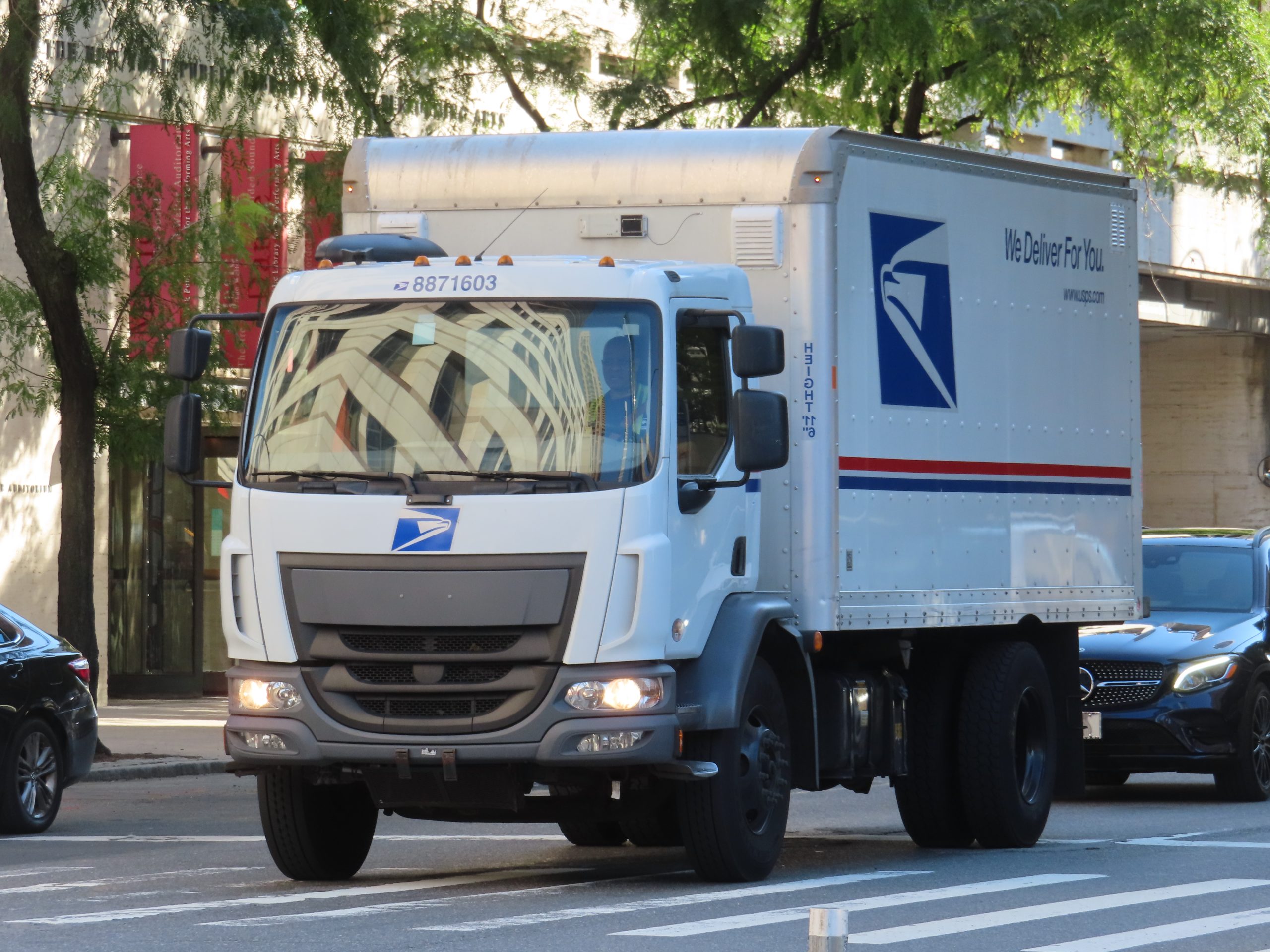
The ruling does not end the fight over USPS and mail ballots, but it keeps a nationwide restriction in place ahead of the Nov. 3 election. At issue is whether the Postal Service can seek ballot barcode data from states as part of an anti-fraud effort.
A judge ruled that the Justice Department violated a court order after USPS adopted a policy to track mail ballots through barcodes. U.S. District Judge Indira Talwani’s Aug. 25 ruling keeps a nationwide block on the United States Postal Service policy in place for the Nov. 3 election.
The dispute is a narrow but consequential test of federal power in election administration. USPS says the policy is designed to help prevent fraud; voting-rights groups and states argue it could disrupt mail voting and puts the Postal Service in a role it does not legally hold.
The order USPS could not bypass
Talwani had temporarily blocked the Postal Service’s proposed mail-ballot policy in two separate lawsuits. One case was brought by 23 states. The other involved voting-rights organizations, including groups led by the League of Women Voters.
On Aug. 21, USPS announced it had adopted a final version of the policy. That announcement came while Talwani’s orders were still at issue, and before the Supreme Court weighed in on one of the two cases.
Talwani found that the Justice Department had not appealed the nationwide order in the voting-rights case. In her view, finalizing the policy disregarded the court’s explicit instruction not to “initiate or complete” rulemaking while the block remained active.
The legal finding matters because it distinguishes between a policy being challenged in court and a federal agency moving it forward despite an order that barred that step.
What the ballot-barcode policy does
The USPS policy calls for states to provide registered-voter lists and the individual barcodes associated with mail-in ballots. The Postal Service said it would use that information to check ballots as part of an effort intended to prevent fraud.
That proposal has drawn opposition because ballot handling is generally managed by state and local election officials. Critics contend that bringing USPS into the process could confuse voters, complicate election administration, or discourage people from using mail ballots.
The government’s position is different. It has argued that the final policy can be defended on its own terms and that opponents should revise their lawsuits to challenge the finalized version rather than rely on earlier claims about a proposal.
Neither side’s broader legal theory has been finally resolved. The immediate question before Talwani was whether the government could complete the policy process while her nationwide injunction was still in force.
Two cases produced different results
The procedural history explains why the policy is both partly cleared and still blocked. On Aug. 24, the Supreme Court overturned Talwani’s block in the lawsuit brought by 23 states.
The high court concluded that the earlier injunction in that case came before USPS had finalized the policy. Its unsigned decision said that timing problem undermined the basis for that particular block.
But the Supreme Court’s action did not erase Talwani’s separate nationwide injunction in the voting-rights case. The federal government acknowledged that the second order remained in effect, and Talwani said it had not been appealed.
That is why the Aug. 25 decision did not impose an additional sanction while still finding a violation. The judge said no further action was necessary because the nationwide prohibition continues to prevent USPS from implementing the barcode-tracking policy.
A nationwide block still controls
For now, the practical result is straightforward: USPS remains barred nationwide from tracking mail-in ballots through the policy’s barcode system for the Nov. 3 election, according to Talwani’s ruling.
That outcome is more restrictive than the Supreme Court’s decision in the 23-state case might initially suggest. The government won an important procedural point there, but it has not yet removed the broader injunction tied to the voting-rights lawsuit.
The Justice Department moved quickly to ask Talwani to lift the nationwide block using the Supreme Court’s reasoning. It argued that her earlier ruling rested on predictions about future events that might not occur as expected.
Talwani has not yet made public a final decision on that request. Unless and until the nationwide order is lifted or changed, it remains the operative restraint on the policy.
Why the dispute reaches beyond USPS
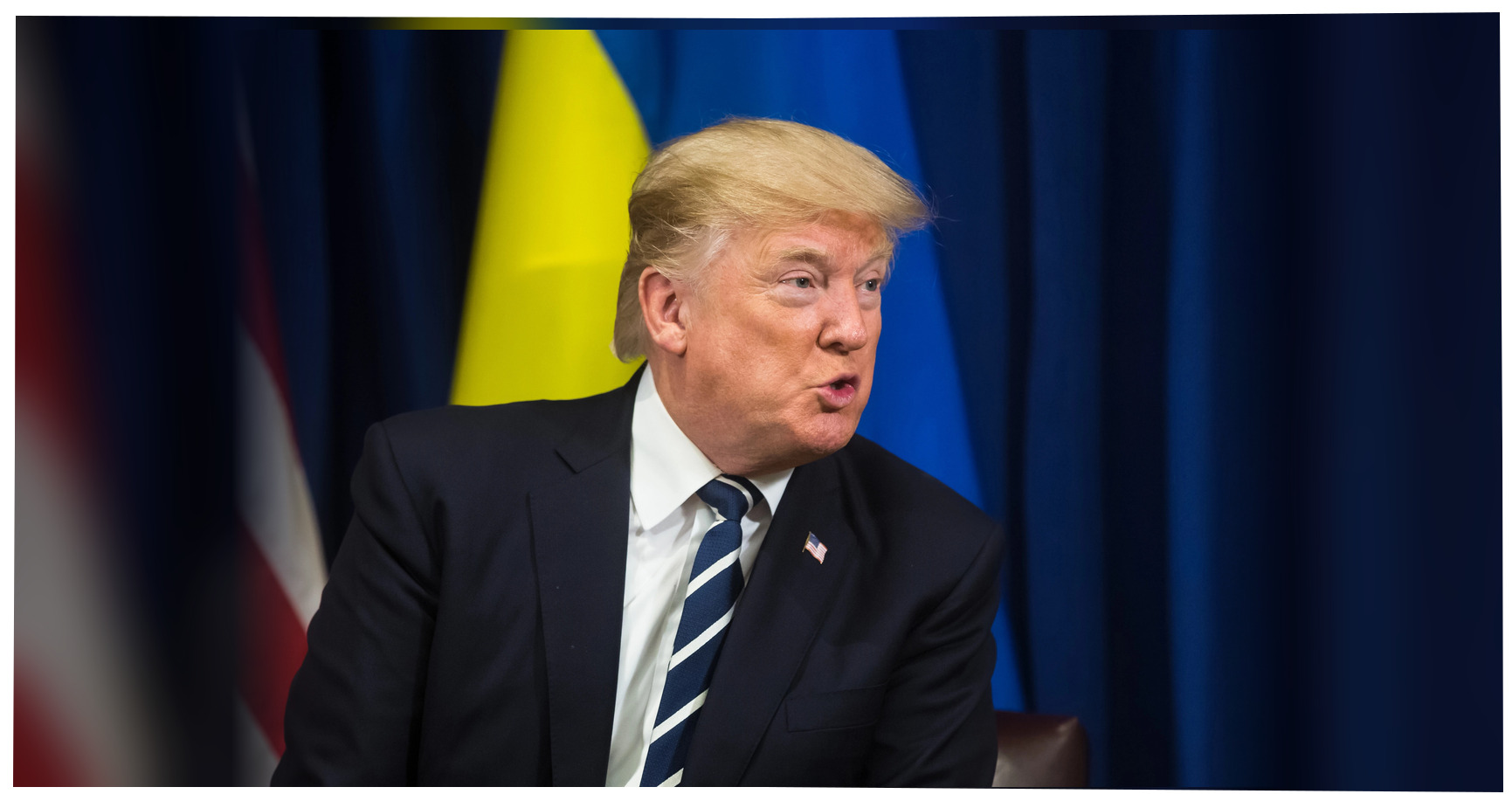
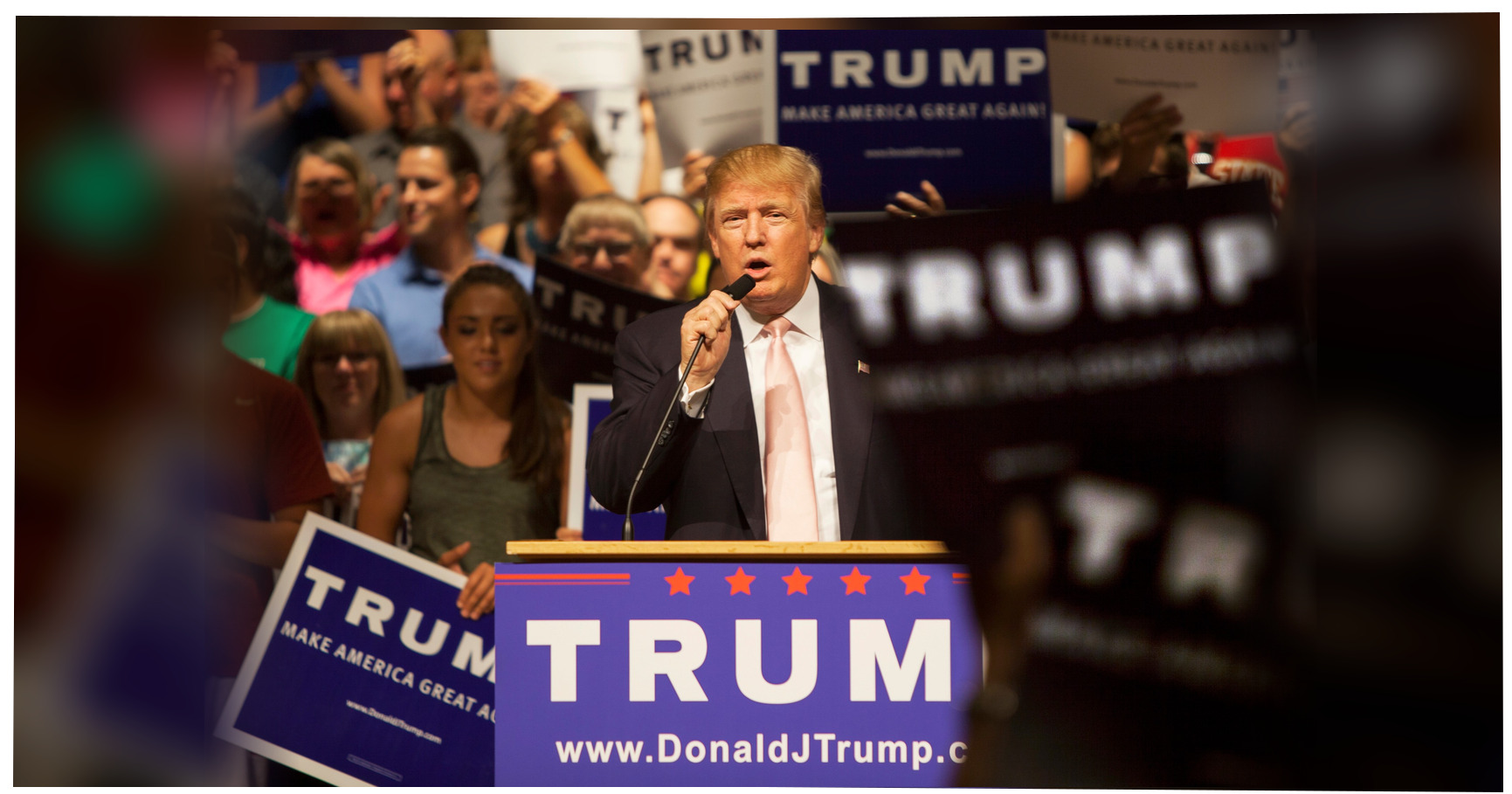
The case grew out of a March executive order signed by President Donald Trump. The order directed federal agencies to compile lists of confirmed U.S. citizens eligible to vote in each state and to use federal data to help state officials verify voter eligibility.
Supporters of stronger federal data-sharing measures frame them as election-integrity tools. They argue that better verification can help officials identify problems and deter improper voting.
Opponents see a different risk: federal agencies collecting or using election-related information in ways that could interfere with state-run voting systems. In this case, they also argue that ballot barcode information may create new burdens for election offices and voters without demonstrating a need for USPS involvement.
The Supreme Court itself emphasized that its ruling in the states’ case did not establish that every government measure to carry out the executive order would be lawful. The underlying authority of USPS and other federal actors remains open to litigation.
The next ruling will matter most
The next major question is whether Talwani will dissolve the nationwide injunction after the Justice Department’s latest request. If she does, the Postal Service could face a new path toward implementing the final policy, though opponents could continue challenging it.
If the injunction stays in place, the government may appeal or seek further emergency relief. The two lawsuits could also continue on the merits, with courts examining the final USPS policy rather than only the preliminary steps that led to it.
For election officials and voters, the immediate takeaway is less dramatic than the competing court decisions may sound: the barcode-tracking program is not currently authorized to go forward nationwide. The broader conflict over federal involvement in mail voting is far from settled.








Leave a Reply