
The warning lands as Americans are still confronting higher prices in several everyday categories, even as broad economic measures show continued growth. The available account does not identify the guest or spell out the argument, making the underlying evidence especially important.
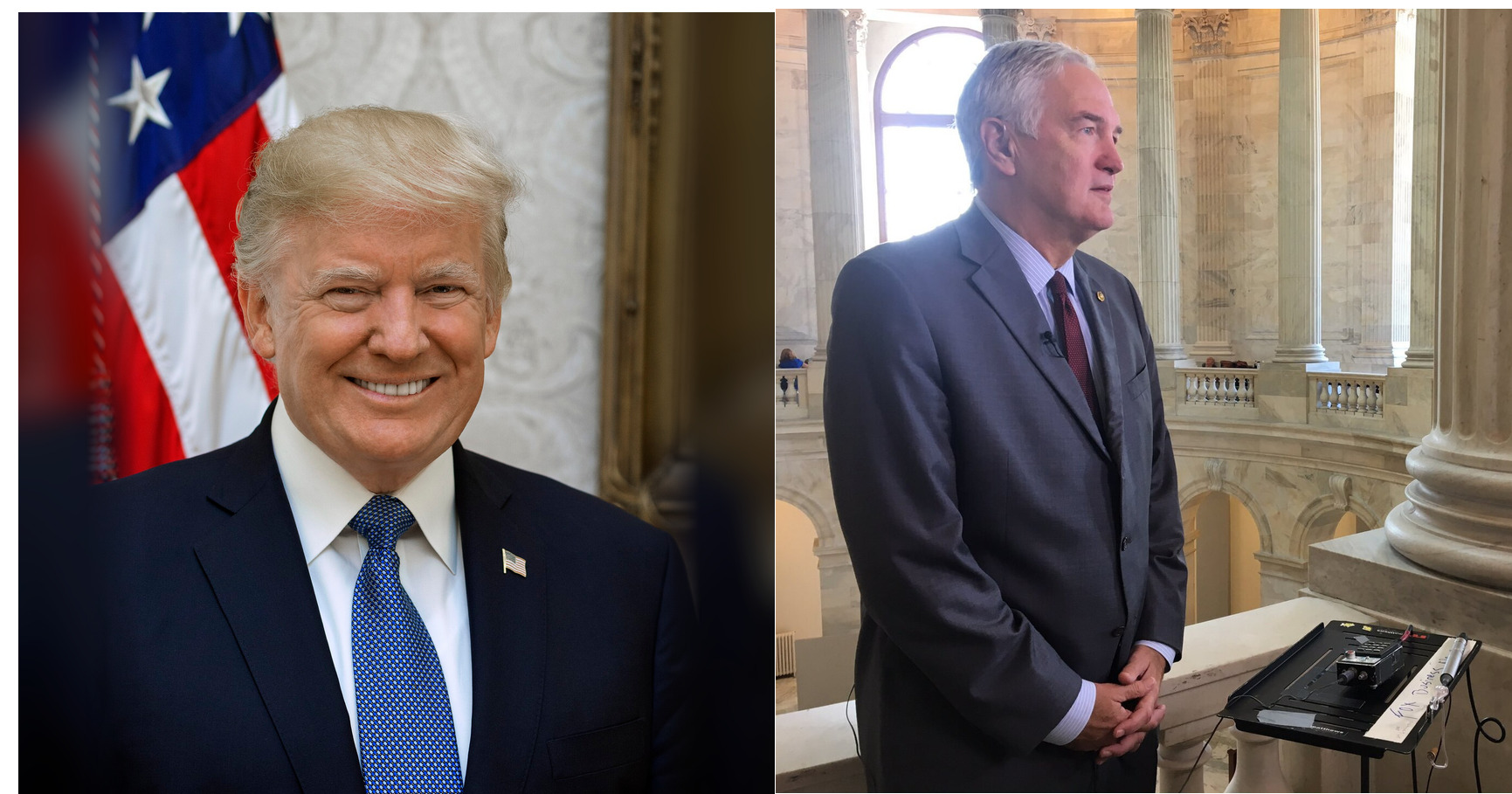
A Fox Business guest warned viewers about Donald Trump’s economy and urged “extreme caution,” according to a HuffPost item featured on MSN. The warning is the news: the guest raised an alarm about whether the administration’s economic outlook matches conditions facing households and businesses. But the available report does not identify the guest or include a transcript, so it does not establish a more specific argument about tariffs, deficits, jobs, markets or recession risk.
The caution comes against a mixed economic backdrop. Bureau of Labor Statistics data show consumer prices rose 3.4% over the 12 months through July 2026, keeping inflation above the Federal Reserve’s 2% goal. At the same time, Bureau of Economic Analysis figures show real gross domestic product grew at a 1.5% annual rate in the second quarter, after 2.1% in the first. Those figures help explain why the warning has drawn attention, but they do not prove what the Fox Business guest meant.
What the warning does establish
The reported headline establishes one clear point: an unnamed Fox Business guest cautioned viewers about the Trump economy. It does not establish that the economy is in recession, that a downturn is inevitable, or that a particular White House policy caused a specific outcome.
Economic debates often compress several different experiences into one phrase. A household dealing with higher utility bills may reasonably feel the economy is weak, while a topline measure such as gross domestic product can still show growth. Both observations can be true at the same time.
That gap is why the guest’s identity and full comments would matter. An investor, labor economist, business owner and consumer advocate might use the same phrase—“extreme caution”—to describe very different risks.
Inflation remains a real pressure point
The Bureau of Labor Statistics reported that the Consumer Price Index rose 3.4% over the 12 months ending in July 2026. Core inflation, which excludes food and energy, rose 2.5% over the same period.
July’s month-to-month increase was modest at 0.1% after seasonal adjustment. Still, the annual numbers show that price growth had not returned to the Federal Reserve’s 2% inflation target.
Some costs were particularly noticeable. Energy prices were up 14.7% over 12 months, while food prices rose 3.0%. Shelter rose 3.2%, and food away from home rose 3.4%.
Those figures do not explain the guest’s warning on their own, but they offer one plausible reason economic rhetoric remains heated. Even when the monthly inflation reading cools, households respond to the cumulative price level they see at the grocery store, gas pump, restaurant and in rent payments.
Growth data tell a different story
Inflation is not the same thing as economic contraction. The Bureau of Economic Analysis describes gross domestic product as a comprehensive measure of the value of final goods and services produced in the United States, and its GDP data showed real GDP increasing at a 2.1% annual rate in the first quarter.
That is not the profile of an economy that has already entered a broad recession. It also does not settle the question of where the economy is headed. GDP is backward-looking, subject to revision and unable to capture every strain on household budgets.
The coexistence of growth and lingering inflation is central to the disagreement. Optimists can point to output growth and continued consumer spending. Critics can point to elevated annual inflation, uneven affordability and the possibility that policy changes could create new pressures.
Trump policy arguments need specifics
Calling it the “Trump economy” invites a political conclusion, but national economic results rarely have one cause. Interest rates, global energy markets, business investment, consumer demand, weather disruptions and decisions made before any administration took office can all affect inflation and growth.
Presidential policy can matter, especially when it involves tariffs, taxes, spending, regulation, immigration rules or trade relationships. The effect, however, depends on the policy’s details, timing and how businesses and consumers respond.
That is where an unexplained warning falls short. If the Fox Business guest was concerned about tariffs, the relevant questions would include which goods are covered, whether companies pass higher costs on to customers, and whether trading partners retaliate. If the concern involved government borrowing, readers would need to know what projections or interest-rate assumptions were being cited.
Without those specifics, it is more accurate to describe the appearance as a warning than as a demonstrated forecast.
Why caution can mean different things
“Caution” is not automatically pessimism. For a family, it could mean building emergency savings, avoiding a budget that assumes prices will quickly fall, or comparing rates before taking on expensive debt. For a business, it could mean being more careful about inventory, hiring or borrowing.
For investors, it may mean remembering that political headlines can move markets without changing the underlying fundamentals overnight. A single television segment is not a substitute for a financial plan tailored to a person’s income, debt, goals and tolerance for risk.
- Watch annual inflation: It shows whether price pressures are easing over time, not just in one month.
- Look beyond the national average: Housing, energy and food costs can vary sharply by region and household.
- Separate data from prediction: GDP and CPI report what has happened; forecasts involve assumptions about what comes next.
- Demand a specific claim: A warning is easier to evaluate when the speaker identifies the policy, indicator and time frame at issue.
The unanswered questions still matter
The strongest unresolved issue is simple: what exactly did the Fox Business guest say, and what evidence did that person offer? The supplied report does not identify the speaker or provide those details, so it cannot support a definitive account of the alarm’s rationale.
The economic data available so far support a more measured takeaway. Americans were still facing annual inflation above the Fed’s target in July 2026, including sharp energy-price increases, while GDP data indicated continued overall growth. That mix leaves room for legitimate concern without proving an economic collapse—or assigning every economic development to Donald Trump.
For now, the “extreme caution” phrase is best read as a prompt to examine the numbers and the policy claims behind it, rather than as a verdict on the U.S. economy.








Leave a Reply