
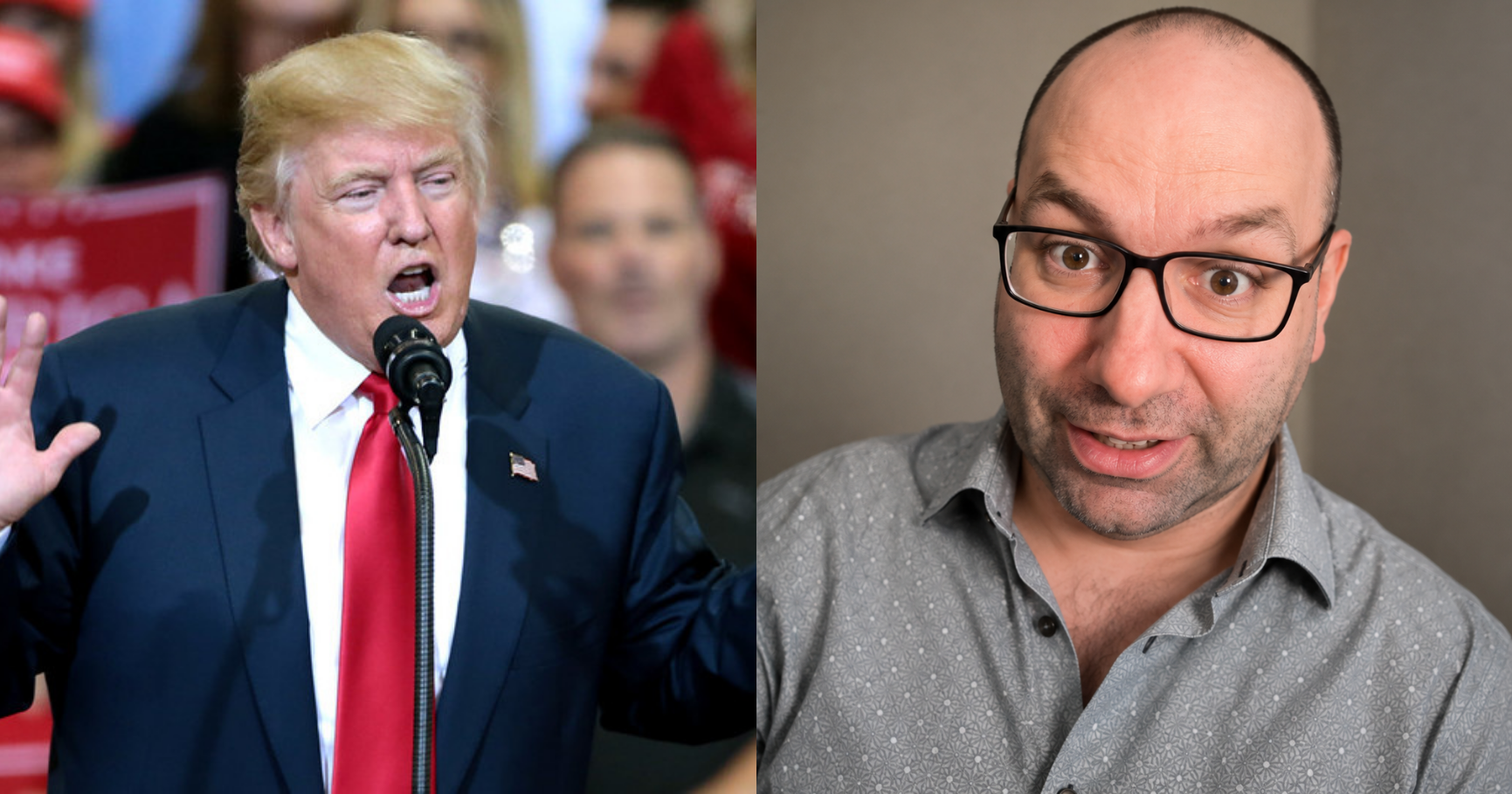
President Donald Trump’s noticeably different hairstyle has become the subject of an unexpected wave of online speculation, with some observers now attempting to connect the change in his appearance to his health and medications.
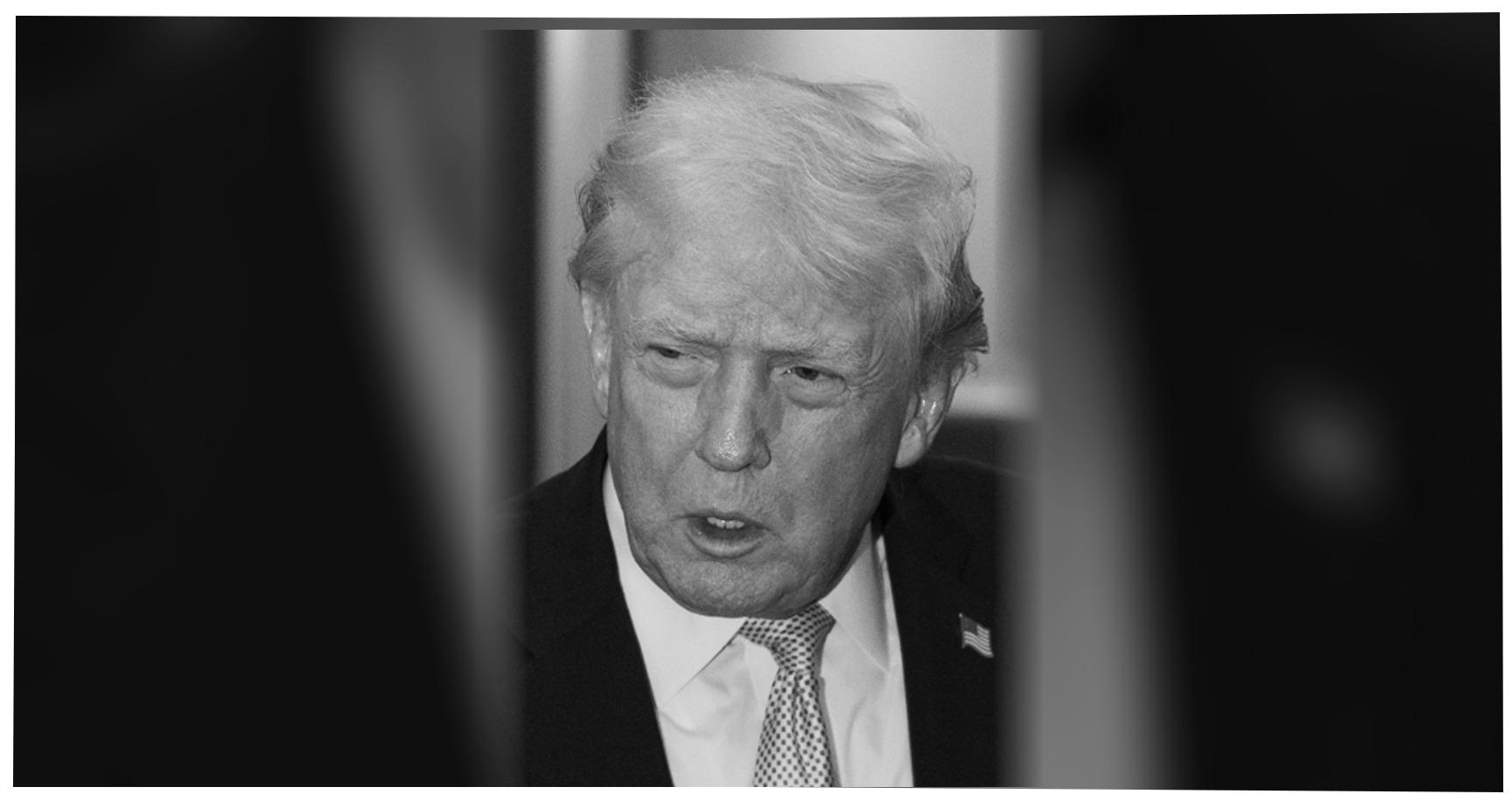
Trump, 80, drew attention during an Aug. 5 appearance in Las Vegas when his trademark blond hair appeared considerably fuller and thicker than it had during appearances only days earlier. The change quickly generated memes and questions about whether the president had changed his styling routine, added extensions or even begun wearing a hairpiece.
There is currently no verified evidence that Trump is wearing a wig.
Some hair professionals who examined photographs of the president have suggested the dramatic difference could simply be the result of blow-drying, styling products and the way Trump’s existing hair was arranged. The White House has also reportedly pointed to lighting as a possible explanation for how different his hair looked during the Las Vegas appearance.
But the discussion has taken another turn on social media, where one healthcare professional offered a much more serious theory.
The commentator, who identified himself as a physical therapist with years of experience working with older patients, argued that illness and certain medications can contribute to thinning or shedding hair.
The general medical principle behind part of that explanation is real. Significant physical stress, illness and nutritional problems can sometimes cause a condition known as telogen effluvium, in which unusually large numbers of hair follicles enter their resting phase and subsequently shed.
Certain medications have also been associated with hair loss in some patients. Blood thinners and, less commonly, some beta blockers have been linked to increased shedding, while statins have also been reported as a possible cause in some cases.
That does not, however, establish that Trump’s changing hairstyle is the result of illness or medication.
Trump’s publicly disclosed medication list is also substantially narrower than the list circulating in some of the online commentary.
His recent medical disclosures have reported that he takes rosuvastatin and ezetimibe to manage cholesterol and low-dose aspirin for cardiovascular prevention. There is no public indication in the latest reports that Trump is taking medications such as metoprolol, atenolol, lisinopril or warfarin, all of which have been mentioned in some social-media discussions surrounding his hair.
One particularly relevant medication has, however, disappeared from Trump’s recent medical reports.
Trump was previously known to take finasteride, commonly sold under the brand name Propecia, to prevent male-pattern hair loss. The medication appeared in discussions of his health during his first presidency but has not been listed in medical reports released since his return to office.
The White House declined to say earlier this year whether Trump had stopped taking finasteride, saying that his medical report contained the medications considered clinically relevant to disclose.
That omission provides another possible explanation for changes in Trump’s hair, although there is no confirmation that he has actually discontinued the medication.
More dramatic claims circulating online about the president’s overall health remain unsupported by the publicly available medical evidence.
Trump’s physician, Navy Capt. Sean Barbabella, said following a comprehensive May examination at Walter Reed National Military Medical Center that the president remained in “excellent health” with strong cardiac, pulmonary and neurological function and was fully fit to carry out his duties.
The examination did document slight swelling in Trump’s lower legs and continued bruising on his hands. His doctors have attributed the swelling to chronic venous insufficiency and the bruising partly to aspirin use and frequent handshaking.
The latest medical disclosures do not report diagnoses of dementia, heart failure or kidney disease — conditions that have nevertheless been alleged in some of the more extreme commentary surrounding the president.
Trump’s hair has attracted public curiosity for decades, and he has previously rejected suggestions that his distinctive hairstyle is a wig.
What actually produced the dramatically fuller appearance seen this month remains unclear.
For now, the available evidence supports a considerably less dramatic conclusion than some of the theories spreading online: Trump’s hairstyle changed noticeably enough to spark widespread speculation, but there is no established medical evidence connecting that change to a serious deterioration in his health.




Leave a Reply