

The signed slab is a small but highly visible part of a White House construction project. Its unveiling raises practical questions about the scope, oversight and purpose of changes at one of the country’s most recognizable public sites.
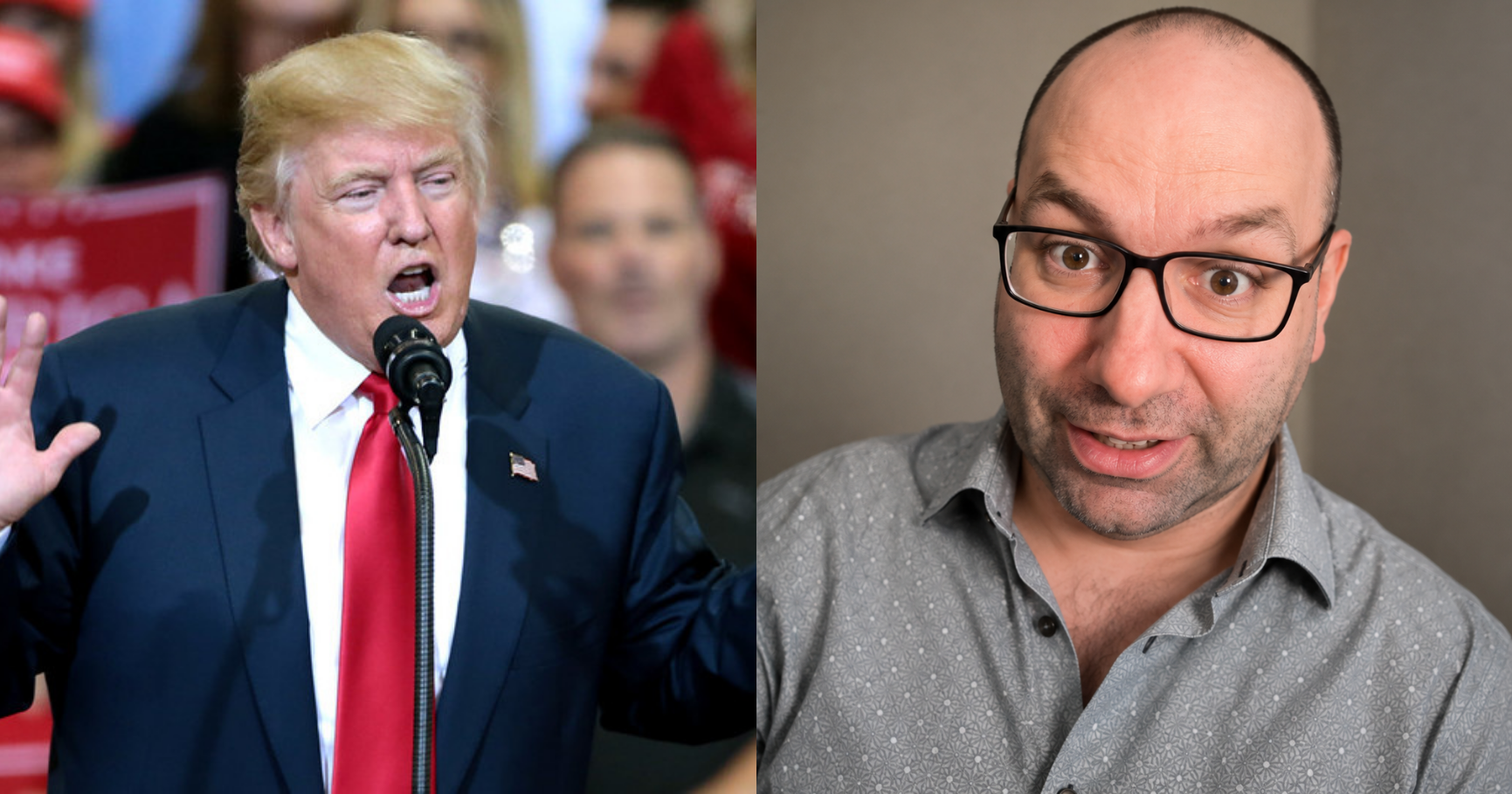
Donald Trump unveiled another White House construction project, presenting what he called a “very special stone”: a giant granite slab he signed that is intended to be flipped and laid into the White House helipad. CNN reported that the slab is part of the latest work at the White House, putting an ordinarily behind-the-scenes construction choice into public view.
The moment matters because changes to the presidential complex are never merely decorative or logistical. A signed piece of granite can become a symbol of how an administration wants to shape, use and be seen at the nation’s most visible residence and workplace.
A signed slab takes center stage
According to CNN’s report, Trump concluded a tour connected to the project by signing the giant granite slab. He said it would be “flipped” before being installed in the helipad.
The report described the material as California-mined white granite. Beyond that basic description, key practical details were not publicly clear in the available reporting, including the project’s overall timeline, cost, contractor arrangements and the full extent of the planned helipad work.
Those missing details matter more than the spectacle of a presidential signature. Granite is durable and often selected for high-traffic outdoor surfaces, but the value of a particular installation depends on design, drainage, safety needs, maintenance and how it fits within the larger site plan.
Why the helipad is different
A White House helipad is working infrastructure, not simply a visual feature. Any work there can carry operational implications involving surface conditions, access and the movement of people and equipment.
That helps explain why a stone installation may attract attention beyond its appearance. A highly polished announcement can make an infrastructure update seem simple, while the actual work may involve planning that the public does not see.
The public also has a legitimate interest in understanding whether a project is a replacement, repair, upgrade or part of a broader redesign. CNN’s account established the intended use of the signed slab, but it did not answer all of those questions.
Construction becomes a political image
Trump has long used physical projects, materials and visual displays as part of his public presentation. In this case, the “very special stone” framing turned a specific building component into a presidential message.
Supporters may see that approach as direct and tangible: a president showing the public a permanent improvement rather than discussing it abstractly. The appeal is easy to understand. Stone, signatures and construction tours make government work visible in a way that plans and procurement documents rarely do.
Others may view the display more skeptically, especially when the details behind a project are limited. The White House is a national landmark as well as an executive workplace, and public attention can quickly shift from the material itself to questions about process, spending and preservation.
Neither reaction changes the immediate fact: the granite slab is intended for the helipad. But the competing interpretations show why even a narrow construction update at the White House can become politically resonant.
The White House carries unusual stakes
Most government construction projects are noticed only when they disrupt traffic, cost more than expected or miss a deadline. Work at the White House operates under a different level of scrutiny because the setting carries institutional, historical and symbolic weight.
That does not mean every repair or replacement requires a major public controversy. Buildings and grounds need routine upkeep. Yet the White House’s visibility means even a practical decision can be examined as a statement about stewardship.
The distinction is important. A project can be operationally sensible while still prompting fair questions about how it was authorized, what it will cost and whether other agencies or preservation bodies reviewed the changes. Publicly available reporting so far does not resolve those points.
What remains to be explained
The clearest confirmed element is the granite slab itself: Trump signed it, and it is planned for the White House helipad. The phrase “flipped” suggests the signed surface may not be the final exposed face, though CNN’s report did not provide a technical explanation for the installation plan.
Several details would help put the project in context:
- Whether the slab is part of routine maintenance or a larger helipad redesign.
- The expected start and completion dates for the work.
- The project’s cost and source of funding.
- Which offices, contractors and review processes are involved.
- Whether construction will affect regular White House operations or access.
Until more information is released, the episode remains a striking but incomplete glimpse of White House construction. Trump’s signature transformed a large piece of granite into a public artifact; the more consequential story is how that artifact fits into the functioning and stewardship of the presidential complex.
A small object with larger meaning
The granite may ultimately be remembered as a routine part of a functional landing surface. Or it may become another example of Trump using the built environment to project a particular style of leadership: personal, visual and centered on physical markers of change.
For now, the practical takeaway is straightforward. Another White House construction project is underway or planned, and a signed giant granite slab is intended to be laid into the helipad. The public display answered what the stone is for, but not yet the broader questions around the project.







Leave a Reply