
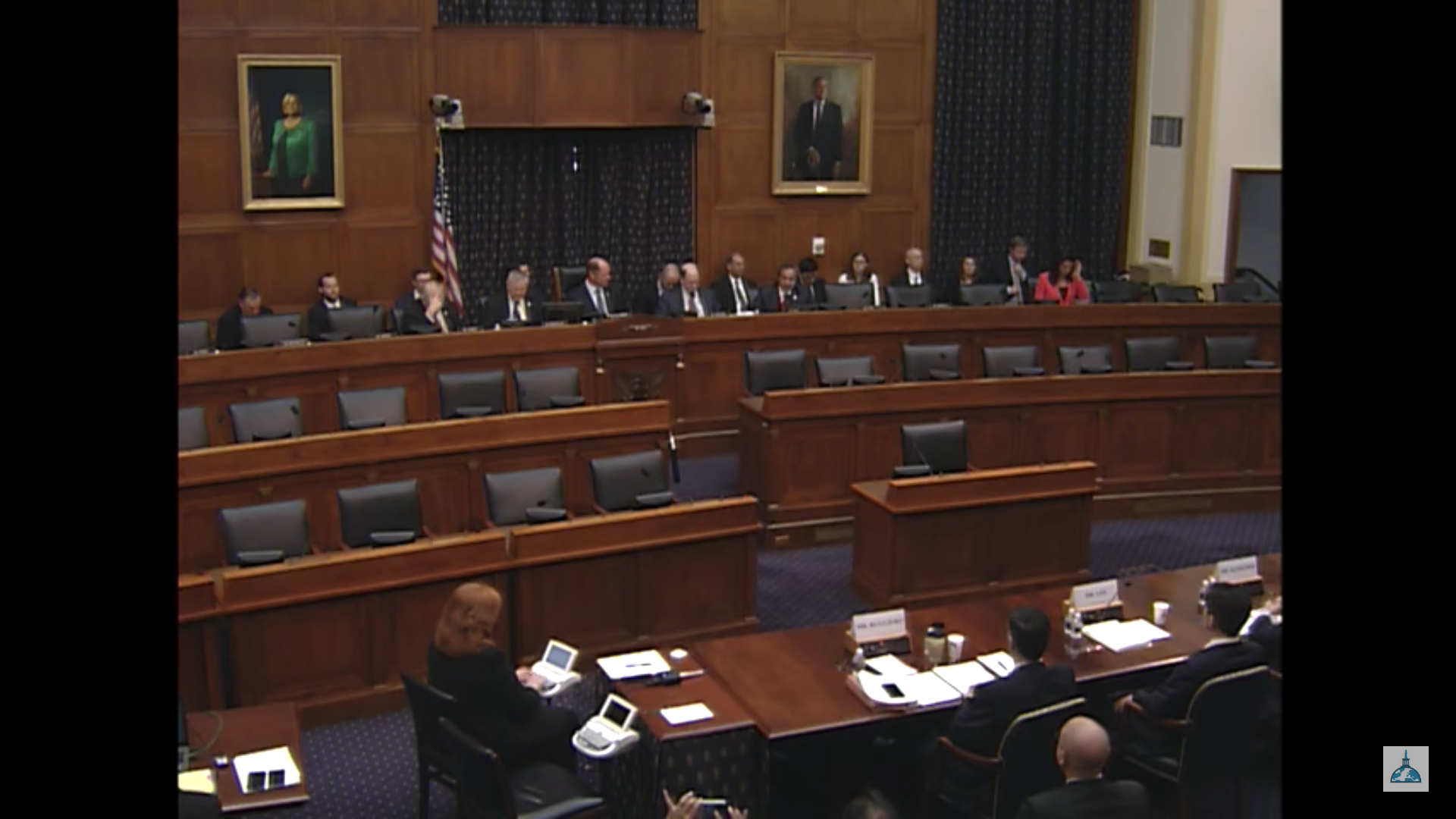
Pyongyang’s response undercuts the idea that scaling back U.S.-South Korean drills could quickly reopen talks. It also leaves a key dispute unresolved: whether Washington and North Korea have any active channel at all.
North Korea rejected Donald Trump’s attempt to improve relations with Kim Jong Un, dismissing the U.S. decision to reduce joint military drills with South Korea as an overture that held “no interest” for Pyongyang. Kim Yo-jong, the North Korean leader’s sister and a senior government figure, also disputed Trump’s assertion that Kim Jong Un had responded to his outreach.
Trump has said he expects to meet Kim later this year, but North Korea’s response makes clear that Trump-Kim Jong Un diplomacy is not visibly moving toward a new round of talks. The immediate dispute centers on the annual Ulchi Freedom Shield exercises, a major symbol of the security alliance between Washington and Seoul.
Pyongyang rejects the proposed signal
Kim Yo-jong’s statement, carried by North Korean state media, was aimed at a decision that appeared designed to lower tensions. The Pentagon had said the planned exercise with South Korea would finish one week early after Trump ordered the 11-day training event reduced.
Rather than treating the shortened drills as a meaningful shift, Kim said the exercises remained “provocative and aggressive.” Her response suggests that reducing their length did not address North Korea’s underlying objections to the joint training.
That distinction matters. A cutback in a military exercise can be read in Washington as a confidence-building move, yet still be seen in Pyongyang as an unchanged policy if U.S. and South Korean forces continue training together.
A disagreement over direct contact
The sharper diplomatic issue is not only the drills. Kim Yo-jong said she was “unaware” of communication between Pyongyang and Washington, directly challenging Trump’s claim that Kim Jong Un had responded to his outreach.
Neither account, based on the available reporting, provides public details about the alleged communication: what form it took, when it occurred, or whether it involved officials authorized to arrange substantive negotiations. That leaves a significant gap between Trump’s public optimism and North Korea’s public denial.
For diplomacy with a tightly controlled government, public messaging can serve several purposes at once. North Korea may be signaling that it will not reward U.S. pressure or unilateral gestures. It may also be setting a higher threshold for any engagement that could follow.
Why the drills carry such weight
Ulchi Freedom Shield is not merely a scheduling issue. The annual U.S.-South Korean exercise is part of a long-standing alliance built around readiness and deterrence on the Korean Peninsula.
U.S. allies in the region see those drills as important to military preparedness, particularly as North Korea continues military posturing and China expands its territorial ambitions, according to reporting by The New York Times. From that perspective, shortening an exercise can raise questions about whether a diplomatic opening is being pursued at the expense of training.
North Korea’s government has long treated joint exercises as threatening. Its latest statement keeps that position intact even after the exercise was scaled back, suggesting that a narrower drill may not be enough to change Pyongyang’s calculation.
Trump’s meeting expectation faces reality
Trump said Wednesday that he expected to meet Kim later in the year. That goal is now paired with a blunt public response from the North Korean side: no demonstrated interest in the overture and no acknowledgment of the communications Trump described.
There is a difference between a leader expressing a willingness to meet and an actual negotiating process taking shape. A summit requires agreement on channels, terms, security arrangements and, most importantly, an agenda both sides believe is worth pursuing.
North Korea’s statement does not rule out every future contact. But it offers no evidence that the shortened drills have created momentum toward one. In diplomatic terms, Pyongyang has put the burden back on Washington to show that it is offering more than a tactical adjustment.
South Korea is central to the stakes
The United States cannot treat this as a two-person relationship alone. South Korea is a direct party to the military exercises and a core U.S. ally whose security is affected by any changes in training, deterrence or negotiations with the North.
That creates competing priorities. Supporters of a reduced exercise may view it as a low-cost attempt to test whether North Korea is open to talks. Critics may argue that Pyongyang has already shown why concessions made before negotiations can fail to produce diplomatic returns.
Neither view resolves the immediate problem: North Korea has labeled even the reduced training provocative, while the United States and South Korea regard the exercises as necessary. The dispute is therefore about more than the length of a drill; it is about whose security concerns should shape the next move.
What remains unclear after the rebuff
The available reporting does not establish whether the United States will make another outreach effort, restore the exercises to their original schedule, or seek a different channel to Pyongyang. It is also unclear whether Kim Jong Un personally shares the position delivered by Kim Yo-jong, though she is widely seen as an influential voice in his government.
What is clear is that North Korea’s public response has narrowed the room for easy optimism. Trump’s stated hope for a meeting with Kim now sits alongside a denial of meaningful contact and a rejection of the gesture meant to ease the path.
The next test will be whether either side moves beyond public statements. Until then, the drill reduction looks less like the start of renewed Trump-Kim diplomacy than a reminder of how far apart Washington and Pyongyang remain.







Leave a Reply