
A Supreme Court records ruling, congressional scrutiny, a New York civil investigation and a Georgia grand-jury request created pressure through different legal channels. None, by itself, determined whether Trump would face criminal charges or a conviction.
January 2022 brought several developments involving Donald Trump into focus at once. According to The Guardian’s reporting at the time, they included an effort in Georgia to convene a special grand jury, a Supreme Court decision permitting the release of White House records, the House January 6 committee’s expanding work and evidence presented in New York’s civil investigation of the Trump Organization.
The importance of the moment was the accumulation of separate processes, not a single final legal outcome. Each had a different purpose, authority and standard of proof.
Four processes, different consequences
Political scrutiny, civil exposure and criminal liability are not interchangeable. A congressional committee can investigate and hold hearings, but it does not prosecute. A civil investigation can pursue evidence and allegations without establishing criminal guilt. A grand jury can gather evidence, but its formation is not a criminal charge.
That distinction shaped the January 2022 developments. They could produce documents, testimony and public disclosures while leaving open the central questions of what investigators would find and whether prosecutors could prove any offense beyond a reasonable doubt.
According to The Guardian, New York Attorney General Letitia James’s office had presented evidence in its civil investigation of the Trump Organization involving allegedly misleading valuations and tax-related conduct. That matter was separate from the election-related inquiries, but it added another source of legal pressure.
Georgia’s request added a formal investigative tool
Fulton County District Attorney Fani Willis sought a special grand jury in Georgia to investigate efforts to overturn the state’s 2020 election result, according to The Guardian’s January 2022 reporting. The request renewed attention on Trump’s January 2021 call with Georgia Secretary of State Brad Raffensperger.
During that call, Trump urged Raffensperger to “find” enough votes to reverse Joe Biden’s Georgia victory. Trump attacked Willis and described the investigation as politically motivated.
A special grand jury would provide a mechanism for gathering testimony and evidence. It would not itself establish unlawful intent, prove a specific offense or amount to a criminal charge.
The records ruling opened access to White House material
In a separate development, the Supreme Court allowed the National Archives to provide the House January 6 committee with more than 700 pages of White House records that Trump had sought to shield through executive privilege.
According to The Guardian, the material included a draft executive order concerning voting machines and a proposed special counsel to investigate the election. The documents could help show what ideas were considered inside the White House after the 2020 election.
Legal analyst Kimberly Wehle told The Guardian that documents can carry particular weight because they can be more difficult to contest than an uncertain witness recollection. They can also direct investigators toward people who drafted, circulated or discussed them.
The ruling did not decide whether Trump committed a crime. It removed an obstacle to the committee’s access to records that could inform its investigation.
Congress and the Justice Department had separate roles
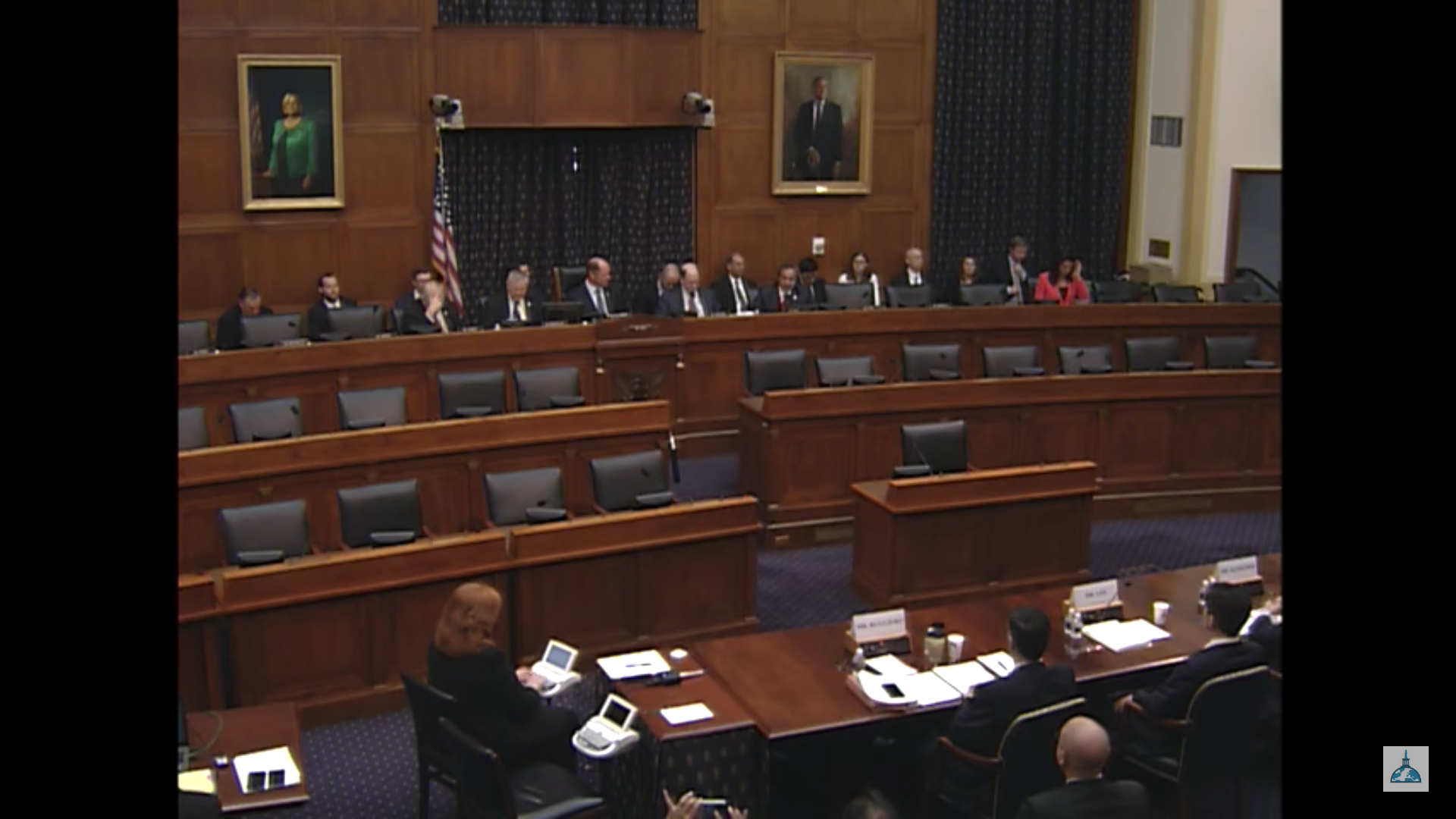
The House January 6 committee was examining the causes and circumstances of the attack on the U.S. Capitol and planned public hearings. It had also sought testimony from Ivanka Trump, who had served as a White House adviser. The committee could make referrals, but it could not bring criminal cases.
The Justice Department, by contrast, had the authority to bring federal charges if prosecutors concluded the evidence met the required standard. At the time, the department had charged members of the Oath Keepers militia with seditious conspiracy, a development that observers viewed as a sign of an increasingly aggressive investigation into the attack.
Former federal prosecutor Preet Bharara questioned the apparent pace of interviews involving people close to Trump, according to the report. But a lack of public information about investigative steps was not proof that no work was occurring; criminal investigations often proceed outside public view.
Attorney General Merrick Garland did not name Trump in a public address that month. He said the department was committed to holding accountable those criminally responsible for January 6, whether they were at the Capitol or otherwise responsible for the assault on democracy.
What the January developments left unanswered
The House committee’s work had political as well as investigative consequences. Its planned hearings could place evidence before voters as Trump considered a 2024 campaign, while the reporting connected the inquiry to the 2022 midterm elections.
Still, the developments did not settle whether witnesses would cooperate, what additional evidence investigators would obtain, how courts would resolve privilege disputes or whether prosecutors would pursue charges. A records release, a civil investigation and a grand-jury request each marked progress within a process, rather than a final determination of legal responsibility.
That was the defining feature of the January 2022 moment: several channels of scrutiny were advancing at once, while the ultimate legal and political consequences remained uncertain.





Leave a Reply