
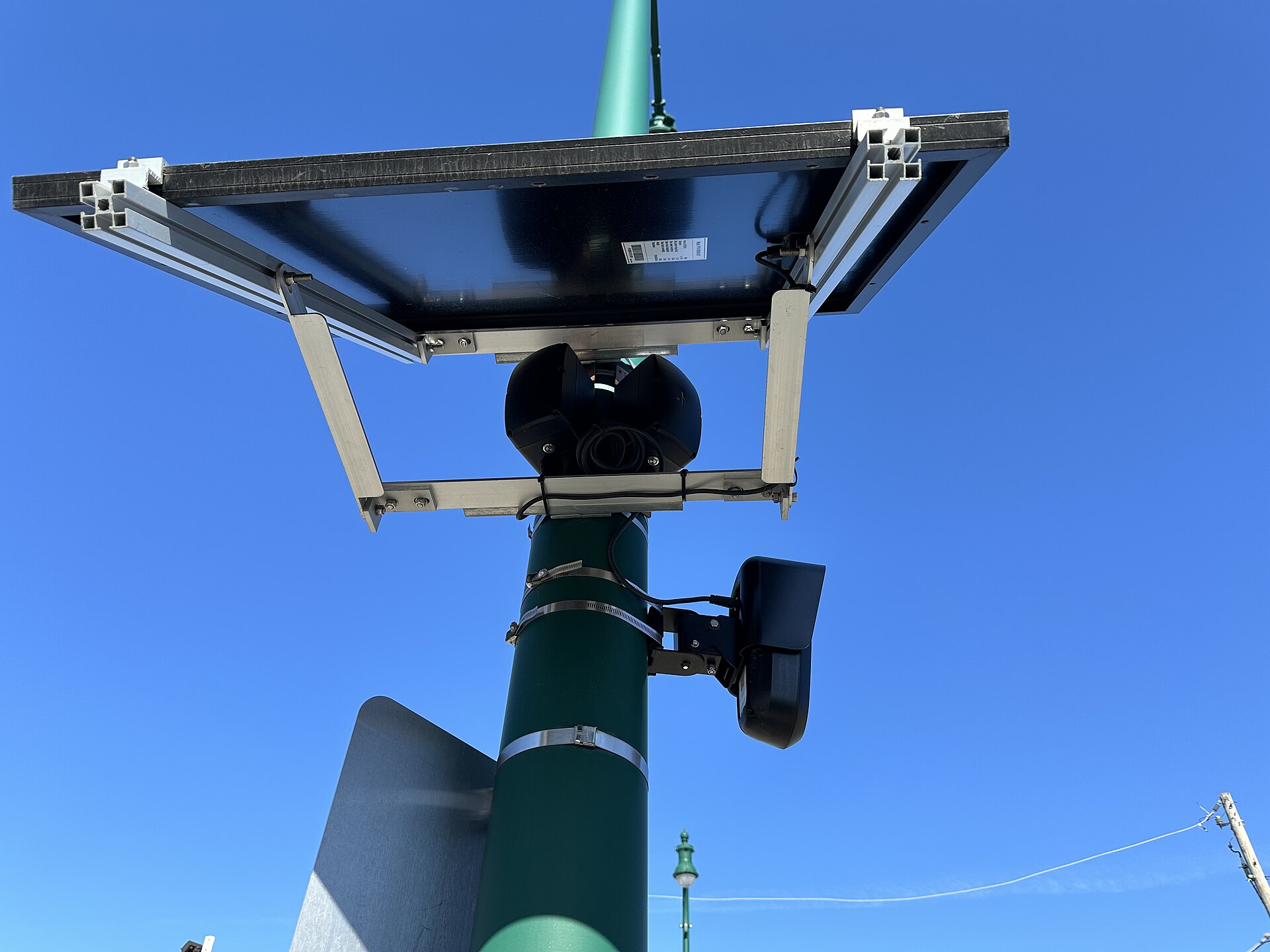
Automated license plate readers have become a popular policing tool. Now local officials are being pushed to explain who can search the data, how long it is kept and whether residents ever really consented.
Flock Safety camera contracts have been canceled in 23 states, and the backlash is no longer confined to a few skeptical towns. Cities are canceling license plate reader contracts as privacy and surveillance concerns are driving the backlash against Flock’s automated cameras, which scan vehicles on public roads and feed searchable police databases.
The phrase “Flock sees controversial camera contracts canceled” captures a bigger local-government fight: whether tools sold as crime solvers can be trusted when residents fear their travel data may be shared far beyond city limits.
Why cities are pulling back
Flock Safety, an Atlanta-based company, sells automated license plate reader systems to police departments, cities, neighborhoods and other customers. The cameras are typically mounted along roads, at entrances and near public corridors, where they capture license plates and vehicle details such as make, model and color.
Police departments say the systems help find stolen cars, identify suspect vehicles and move investigations faster. Critics say the same technology can quietly build a detailed map of where people go, without a warrant and without most drivers realizing they have been logged.
NPR reported that Flock has contracts with more than 5,000 law enforcement agencies nationwide, while activists tracking the devices have mapped tens of thousands of license plate readers across the country. That scale is part of why the cancellations matter: a single city’s camera is no longer just a single city’s camera if its data can be queried through broader networks.
The latest backlash has been especially intense in communities worried about immigration enforcement. Residents and civil liberties advocates have argued that local plate data could become part of a federal dragnet, particularly if outside agencies can search it or request it through platform settings that local officials do not fully understand.
The data-sharing fault line
The core dispute is not simply whether license plate readers work. It is who gets access to the information they collect.
Flock’s system can allow agencies to participate in local, state or national lookup networks. In practice, that means a vehicle captured by a camera in one place may become searchable by officers elsewhere, depending on the customer’s sharing settings and policies.
Flock has said customers control those settings. In a statement to NPR, the company said each customer has “sole authority” over if, when and with whom information is shared, and that records are created showing which agency searched the system and for what stated purpose.
That has not settled the issue. NPR reported that some city officials later discovered their data had been shared more broadly than they realized, including with federal agencies such as U.S. Border Patrol. In California, some local officials were alarmed because state law restricts sharing license plate data with federal or out-of-state agencies and bars assistance with federal immigration enforcement.
Local examples became warnings
Several cities have become examples for both sides of the debate. NPR identified places including Flagstaff, Arizona; Cambridge, Massachusetts; Eugene, Oregon; and Santa Cruz, California, among localities that deactivated Flock cameras or canceled contracts since the start of 2025.
In Flagstaff, police tried to narrow sharing controls before the City Council made its decision. The department removed the city’s data from broader lookup networks, limited sharing to two local agencies and reduced the retention period from 30 days to 14 days, according to NPR.
Even those guardrails did not preserve trust. Public comments focused on AI surveillance, immigration enforcement and fears that data could be weaponized. Mayor Becky Daggett told NPR that it became clear the technology was no longer something the community would accept, and the council voted to end the contract.
Hillsborough, North Carolina, also ended its relationship with Flock after town leaders raised concerns about contract language that they believed could be read to allow disclosures to government entities or third parties if the company had a good-faith belief there was a need to do so.
Flock says controls changed
Flock has attempted to answer the criticism by emphasizing customer control, audit records and tighter oversight. The company told NPR it has made changes over the past year to strengthen sharing controls, oversight and audit capabilities.
NPR also reported that Flock said federal agencies would no longer be given access to state or nationwide lookup networks. That is a significant shift if it changes how outside agencies can search local camera data, but it does not erase the broader concern that many communities learned about sharing settings only after cameras were already in place.
For Flock, the reputational problem is bigger than any one contract. The company’s growth depends on cities believing its platform can be governed locally. Once residents believe the system is too complex, too opaque or too connected to outside agencies, technical fixes may not be enough.
That is why the cancellations in 23 states are more than a procurement story. They show how rapidly a police technology can move from routine agenda item to public controversy when residents connect it to surveillance, immigration and civil liberties.
Police still want the tool
Law enforcement agencies continue to defend automated license plate readers as useful and, in some cases, essential. Officers say the cameras can alert them to stolen vehicles, wanted suspects or missing-person cases faster than traditional patrol work.
Supporters also argue that plate readers do not identify drivers by name on their own. They record vehicle information, they say, and investigators still have to connect that information to a case.
Critics counter that location data can be deeply revealing even without a driver’s name attached. A car seen near a clinic, a place of worship, a protest, a courthouse or a shelter can expose sensitive patterns. When those scans are stored and searchable, the concern shifts from one officer seeing one car to institutions building a searchable history of movement.
That divide explains why some cities keep the cameras while others walk away. The same feature that makes the tool valuable to police — fast, searchable location intelligence — is exactly what makes civil liberties groups wary.
The next fight is governance
The cancellations put pressure on local governments that still use Flock or similar systems to show their work. Residents are likely to ask basic questions that many contracts did not force into public view early enough.
- Which agencies can search the data?
- Can federal agencies access it directly or indirectly?
- How long are scans retained?
- Who audits searches, and are audit logs public?
- Can elected officials change sharing settings without a new contract?
Those questions matter because automated license plate readers are not just cameras. They are data systems, and data systems become political when the public cannot see where information goes.
The unanswered question for Flock is whether new limits and clearer controls can rebuild confidence before more cities cut ties. The unanswered question for cities is whether they can justify surveillance tools without asking residents to accept a black box.
For now, the lesson from the 23-state cancellation wave is straightforward: public safety technology is being judged not only by what it solves, but by what it collects, who can search it and whether local officials can prove they are still in control.






Leave a Reply