
Flock’s camera network is expanding across the country, giving thousands of police agencies rapid access to vehicle-location data. Supporters see a public-safety tool; critics see the building blocks of searchable mass surveillance.
Flock cameras are monitoring millions of Americans’ daily movements by photographing vehicles across America, and the expanding network has sparked bipartisan opposition. Flock Safety’s 120,000 license-plate-reading cameras promise police faster leads on stolen cars and wanted suspects, but critics say the system is prompting serious privacy and mass-surveillance concerns.
The backlash is growing because Flock cameras do more than record a passing car. Their value to law enforcement is the ability to search a connected network for where a vehicle may be and where it has previously traveled—an ability that has made the company a central target in the wider debate over how much monitoring the public should accept.
A national network, not one camera
Americans are already accustomed to cameras: doorbells, businesses, intersections and police body cameras. Flock’s critics argue that automated license-plate readers represent something more consequential when they are networked together and searchable.
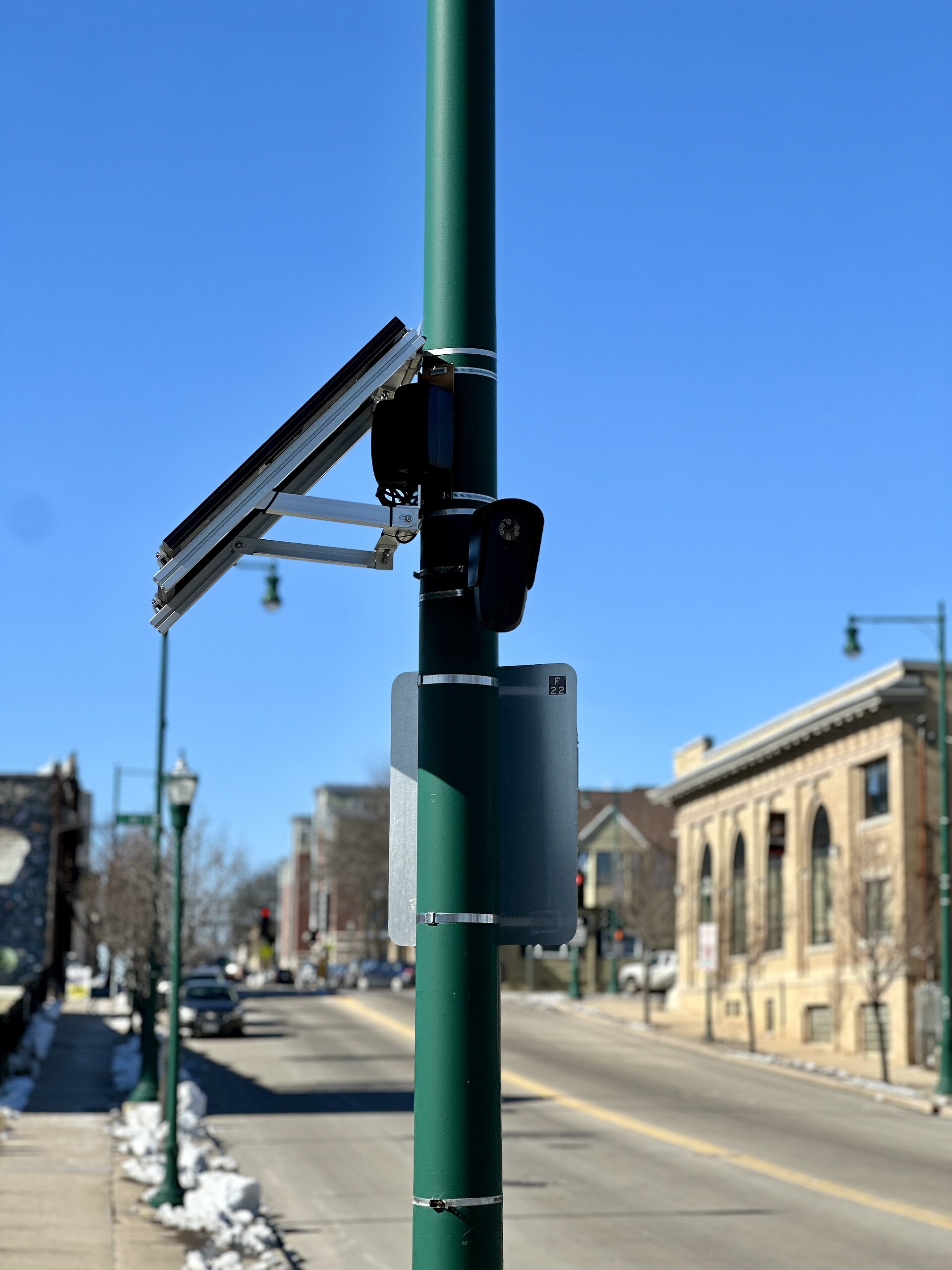
According to reporting by The New York Times, Flock has deployed about 120,000 cameras in every state except Alaska. The company has contracts with roughly 7,000 law-enforcement agencies, or about 40% of police departments in the United States.
A camera can capture a vehicle’s license plate, along with details such as its location and time of passage. Officers can use the system to look for vehicles connected to investigations and trace where a car was previously spotted.
That scale is why the dispute has moved beyond the familiar question of whether a neighborhood should install another security camera. The central concern is whether widespread collection and cross-agency search capability can turn ordinary driving into a permanent trail of data.
Why police agencies want Flock
Flock’s case for the technology is straightforward: speed can matter in criminal investigations. The company says its cameras can help departments identify stolen vehicles, find suspects and develop leads when an officer has only a license plate, vehicle description or location.
The system has been credited in cases involving stolen cars and wanted people. The Times reported that license-plate-reader alerts helped authorities locate a man who had threatened a mass shooting in Louisiana and helped police find a man later convicted in the attempted assassination of Donald Trump.
For departments with limited staff, a searchable record of cars passing through an area can be a powerful investigative aid. Supporters also argue that the data can help recover vehicles and locate people without officers having to conduct as many time-consuming searches in the field.
Flock chief executive Garrett Langley has said society should debate what level of safety it wants and what surveillance it is comfortable with. That framing captures the tension: the same system that can shorten an investigation can also make routine movements easier for government agencies to reconstruct.
The privacy fears are concrete
Opponents are not objecting only to the existence of cameras. They are questioning who can search the data, what guardrails prevent improper searches, how long information is kept and whether agencies outside a community can gain access.
Concerns have intensified after reported misuse by officers. The Times found that officers in different parts of the country had abused access to Flock’s system to track romantic partners, leading to discipline and terminations.
Another episode involved a Texas officer who used Flock cameras to track a woman across state lines while she was suspected of self-managing an abortion. For critics, that case illustrated how a tool marketed for public safety can be used in intensely personal and politically charged investigations.
Privacy advocates also worry about mission creep. Data collected for a local car-theft investigation may become tempting to use for immigration enforcement, reproductive-health investigations or low-level inquiries that residents never expected their city’s camera program to support.
Opposition crosses political lines
The unusual feature of the Flock fight is the breadth of its opposition. Civil-liberties advocates have long warned about government surveillance, while conservatives who are otherwise supportive of law enforcement have raised alarms about expanding state power.
Texas has become a visible example of that overlap. Flock began selling to Texas police departments in early 2020, and about 700 departments in the state now contract with the company, according to the Times. Residents across ideological lines have objected to cameras appearing near homes, parks and everyday routes.
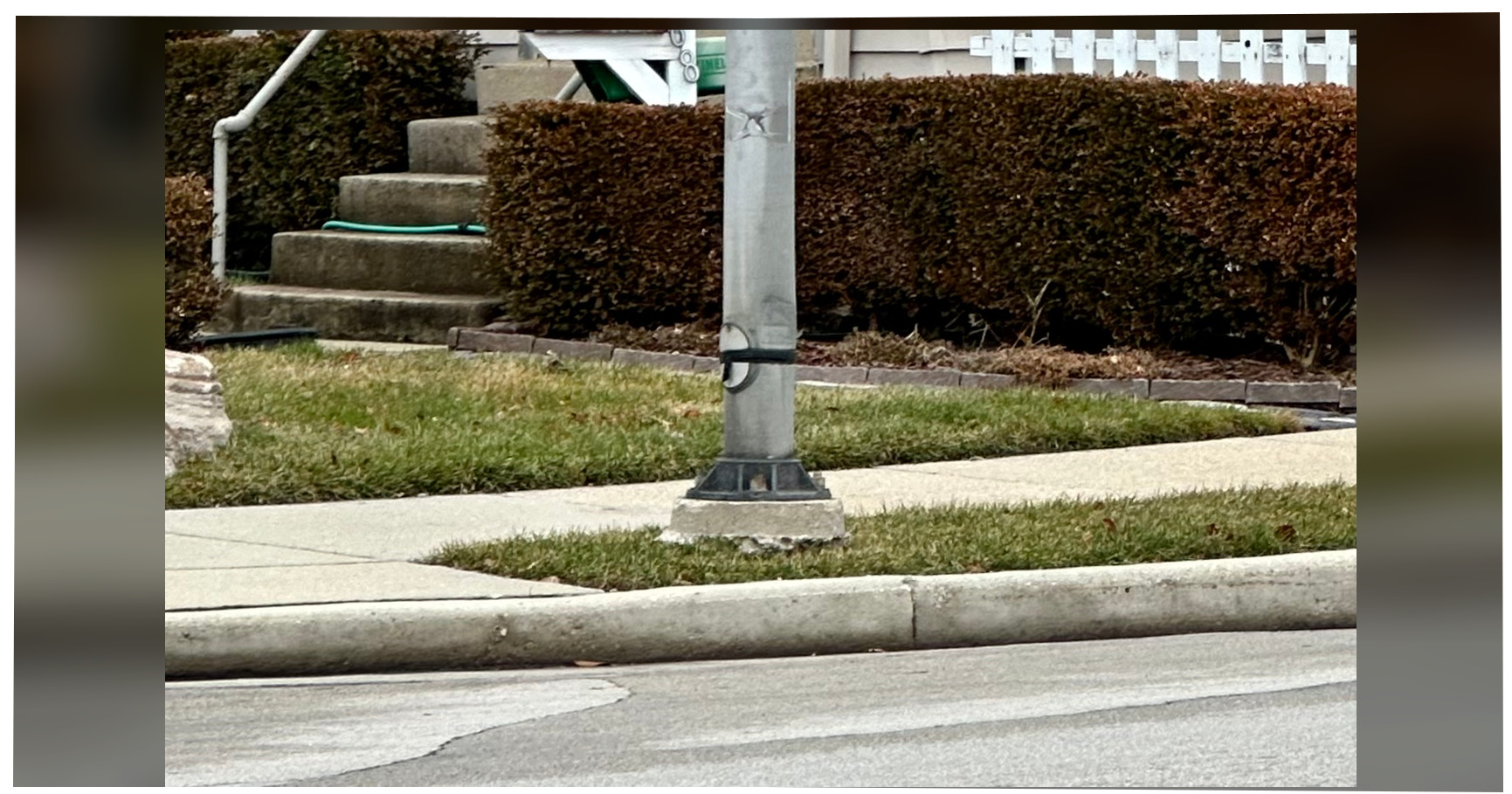
Some cities have taken formal action. Los Angeles and Dayton, Ohio, were among places that suspended Flock contracts amid concerns that immigration authorities could obtain camera data. In Dayton, the city covered cameras with trash bags while it worked through the dispute.
Elsewhere, opposition has been more confrontational. The Times reported instances in Houston, Oakland and Grand Junction, Colorado, where cameras were cut down, painted or shot. Those acts do not resolve the policy debate, but they show how strongly some residents view the technology’s presence in their communities.
The rules have not caught up
The policy question is no longer whether automated license-plate readers exist. They do, in large numbers. The harder question is what limits should apply when a private company’s equipment gives law enforcement a broad, fast way to search vehicle movements.
Local governments can weigh several practical safeguards: clear limits on which agencies may access data, audit logs for every search, penalties for misuse, public disclosure of contracts and restrictions on sharing information beyond the jurisdiction that collected it.
Retention periods matter, too. A system that holds data briefly for a specific investigative purpose raises different privacy issues than one capable of preserving a detailed record of a person’s movements over much longer periods. Publicly stated rules are only part of the answer; oversight and enforcement determine whether those rules mean anything.
What remains unsettled is whether local-by-local decisions can adequately govern a network that operates on a national scale. Flock’s growth has made the stakes clearer: Americans may support cameras that help solve serious crimes while still rejecting a system that makes everyone’s travel history easy to retrieve.
The debate is really about power
Calling Flock cameras “not 1984” may be a way to resist comparisons to fictional total surveillance. But the concern driving the bipartisan backlash is more practical than literary: people want to know who can follow their movements, under what circumstances and with what accountability.
Flock’s network is likely to remain attractive to police agencies because it offers a tangible investigative benefit. Its critics are unlikely to stop pressing for tighter rules because the system’s reach extends far beyond the people suspected of crimes.
The outcome will depend on whether cities, states and agencies treat privacy protections as essential operating requirements rather than optional add-ons. The technology’s promise and its risk come from the same feature—the ability to connect individual camera sightings into a far larger picture.









Leave a Reply