
The reported conversation puts fresh focus on who directed the Army leadership shake-up and why the service still lacks a confirmed top officer. It also lands as the Army faces active demands in the Middle East and Europe.
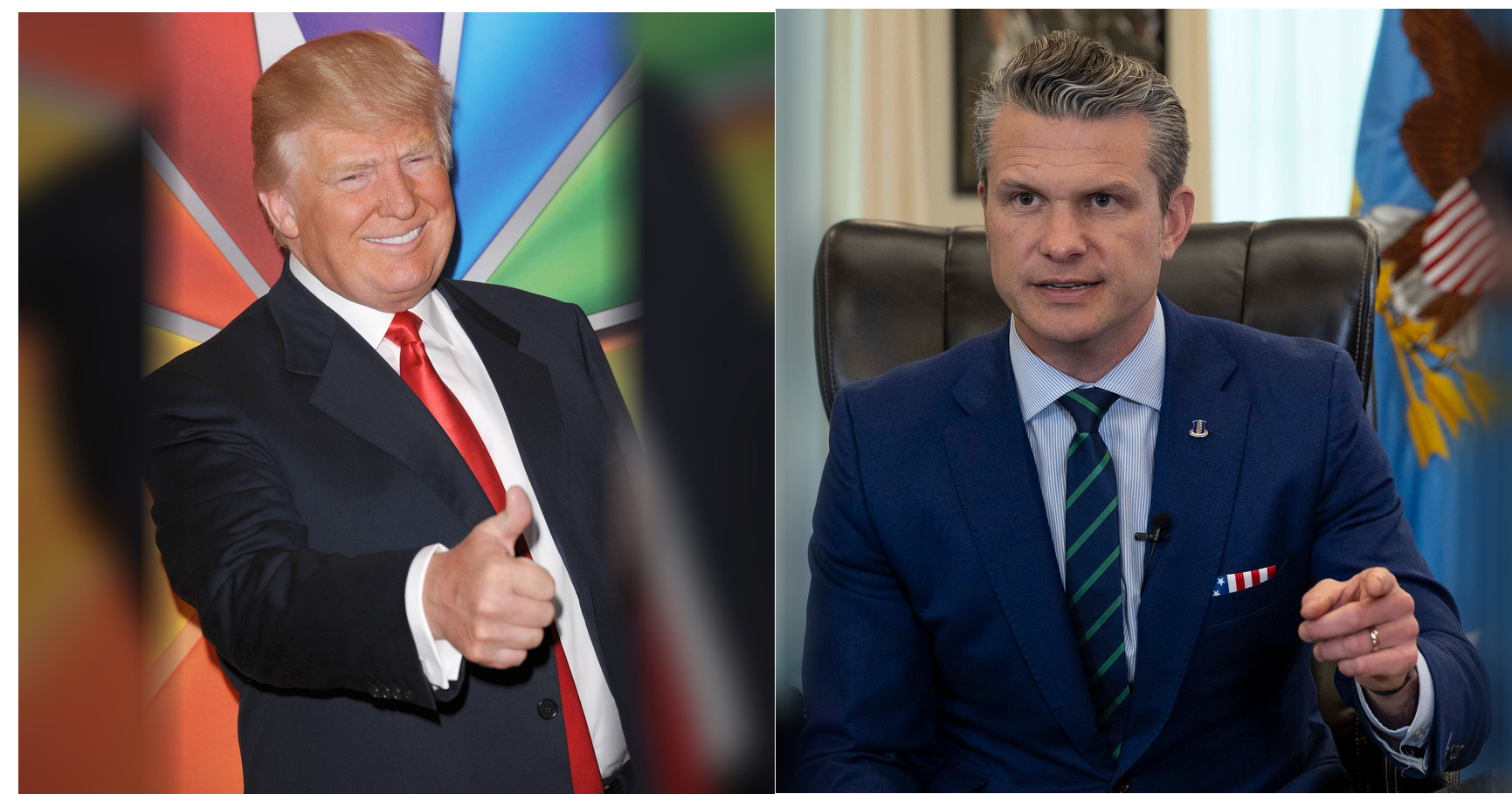
Donald Trump reportedly blamed Pete Hegseth for the Army chief’s firing during a call with a Republican senator, according to a New York Times report highlighted by Mediaite. Trump reportedly said to tell the general he was sorry, referring to Gen. Randy George, the former Army chief of staff who was dismissed in April.
The account matters because it raises a basic question about responsibility for the Pentagon shake-up: whether Hegseth acted on his own in removing George, or with Trump’s full backing. The Army, meanwhile, has reportedly gone months without a chief of staff as it manages major commitments abroad.
A reported apology through a senator
The reported exchange was described by The New York Times in its Aug. 25 account of upheaval among the Army’s senior leadership. The newspaper said Trump explained to a Republican senator that George’s firing had been Hegseth’s decision.
Trump’s reported message was brief but striking: “Tell the general I’m sorry.” The identity of the senator was not included in the available reporting, and there is no public transcript of the call.
That leaves important limits around the story. The Times based key details on current and former officials who spoke anonymously about sensitive personnel matters. Neither a public statement from Trump nor one from Hegseth confirming the reported conversation was included in the material available for review.
Still, the account places the president personally in a dispute that has until now been framed largely as part of Hegseth’s broader effort to remake the Pentagon’s senior ranks.
George’s departure left a vacancy
Gen. Randy George served as the Army’s chief of staff, the service’s top uniformed officer. The Times reported that Hegseth fired him in April without a public explanation.
As of the newspaper’s Aug. 25 report, the Army had not named a replacement, leaving the service without a chief of staff for months. That is the operational concern beneath the political drama: a large institution can continue functioning under acting arrangements, but prolonged uncertainty at the top can complicate long-term planning, personnel decisions and accountability.
The Times also reported that at least three senior officers seen as potential successors to George had been forced out. If accurate, those departures could narrow the immediate pool of experienced candidates for one of the military’s most consequential jobs.
A president is the military’s commander in chief, and civilian leaders have broad authority over senior personnel. The issue is not whether an administration can make changes. It is whether the rationale, process and succession plan are clear enough to sustain confidence inside an institution built around continuity of command.
The timing increases the pressure
The Army is dealing with a demanding overseas workload. The Times reported that Army air-defense personnel have played a leading role in defending U.S. troops in the Middle East against Iranian missile attacks.
It also said the Army’s command in Europe has been providing intelligence and other support to Ukraine as it fights Russia’s invasion. Those missions do not stop when leadership posts are vacant, but they heighten the stakes of uncertainty in Washington.
The report described the Army as confronting a changing battlefield in which inexpensive drones, missiles and air-defense systems are reshaping military planning. Senior leaders must make choices about training, procurement, force posture and how rapidly the service adapts to those threats.
Supporters of a leadership overhaul may argue that a new defense secretary needs the team he trusts to carry out his priorities. Critics can reasonably counter that broad removals become riskier when replacements are delayed and when the service is facing immediate operational demands.
Hegseth’s role remains central
The reported Trump call could be read in more than one way. If Trump did tell a senator that George’s dismissal was Hegseth’s decision, it may suggest that Hegseth had substantial freedom to drive the personnel move.
It could also reflect a president seeking to distance himself from the consequences of a decision made within his administration. Without a fuller account from Trump, Hegseth, George or the unnamed senator, it is not possible to determine how the decision was discussed before it became final.
The distinction matters politically and institutionally. A defense secretary is expected to execute the president’s policy, while presidents often rely on Cabinet officers to make personnel recommendations and management decisions. Publicly separating those roles after a controversial firing can create confusion about who owns the outcome.
There is also a human dimension. George was not simply removed from a job; he was the Army’s highest-ranking officer. A reported apology delivered through a senator suggests recognition that the firing carried personal and professional consequences, even as the administration’s broader rationale remains unclear.
Questions the administration still faces
The clearest unanswered question is who will lead the Army next. The Times reported no sign that a replacement for George was close to being selected as of Aug. 25.
There are other unresolved issues as well: why George was removed, whether the White House approved the decision in advance, what criteria will guide the next selection, and whether further senior personnel changes are planned.
Army Secretary Daniel P. Driscoll is also expected to leave the administration in the coming months, according to the Times. His possible departure would add another transition point for a service already navigating an unusually visible leadership gap.
For now, the reported Trump-Hegseth split is less significant as a Washington personality clash than as a window into how the Pentagon is being run. The immediate test will be whether the administration can fill the Army’s top post with a credible leader and provide a clearer explanation of the decisions that created the vacancy.




Leave a Reply