
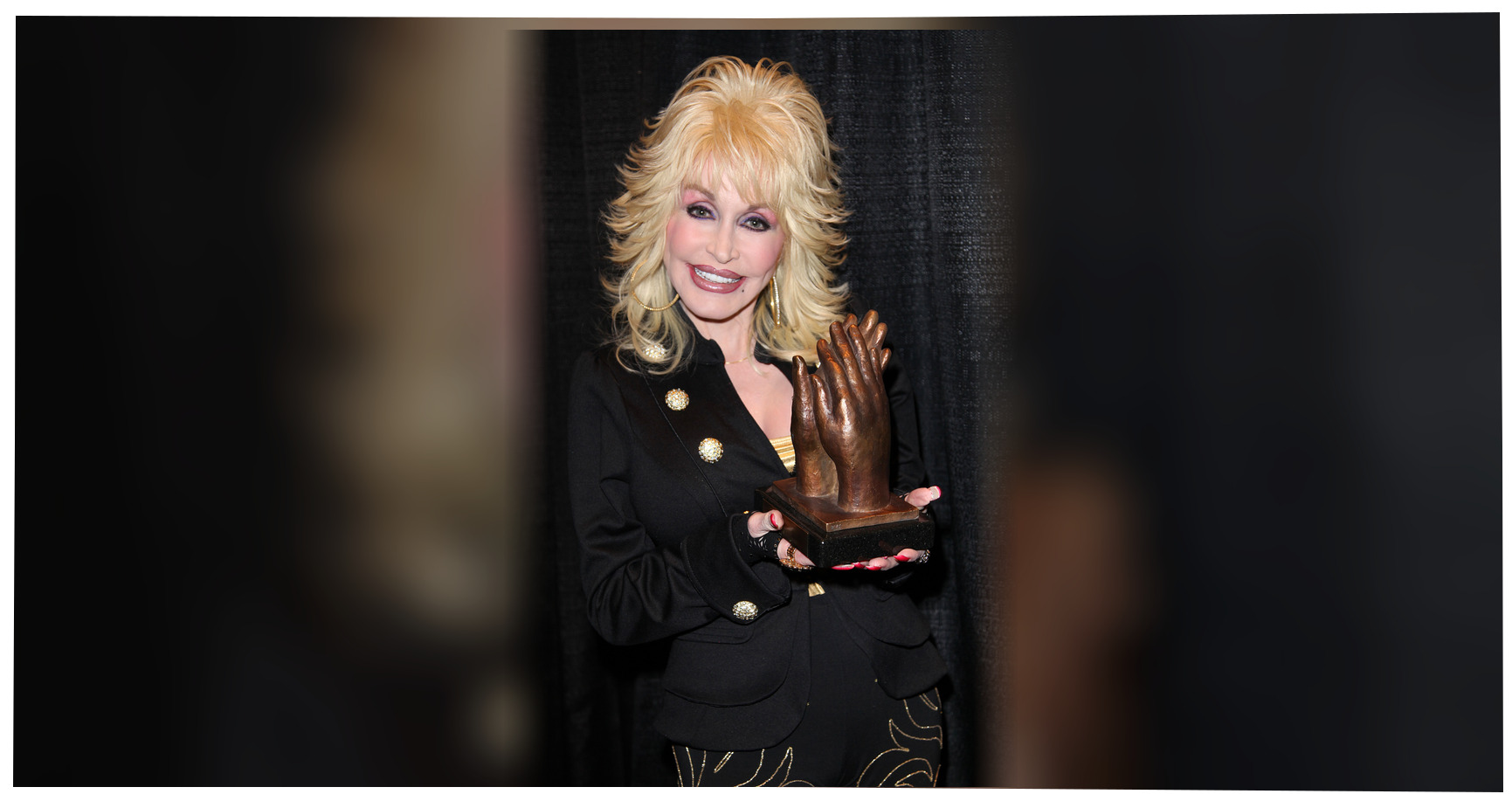
Parton’s death marks the loss of an artist whose songs, humor and unapologetic glamour made her a rare cultural figure embraced across generations. Her influence reaches well beyond the country charts.
Dolly Parton has died. The legendary country musician was 80 years old, according to a family announcement reported by The New York Times. Parton died Tuesday in Nashville, ending a career that made her one of country music’s defining performers, songwriters and public personalities.
Her death matters because Parton was never simply a singer with a string of hits. Over six decades, she used songs, humor, high-glamour stagecraft and business ambition to become a singular figure in American popular culture—one whose appeal extended well beyond country music.
A death announced by family
The New York Times reported that Parton’s family announced her death and that a spokesman said she had died after a brief battle with cancer. The report said she had been admitted to the Vanderbilt-Ingram Cancer Center in Nashville the previous Friday.
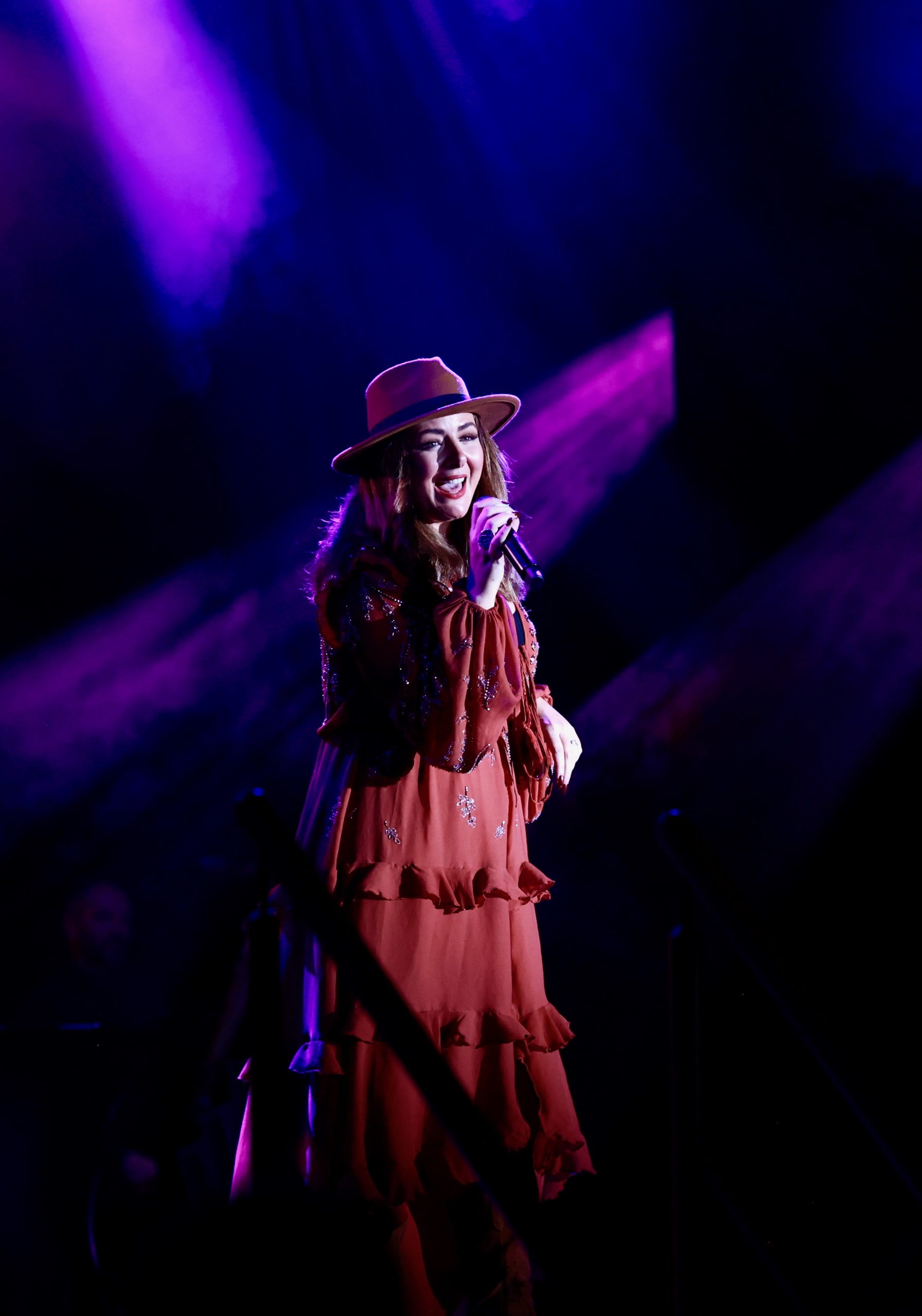
Parton had publicly addressed concerns about her health in the past year. She postponed a planned Las Vegas residency, then later canceled it while saying she had been receiving treatment for health issues involving her immune and digestive systems.
The full details surrounding her final days, as well as plans for public memorials or funeral services, were not immediately clear in the reporting available. That leaves a private family loss unfolding alongside an enormous public response from listeners, collaborators and institutions shaped by her work.
Country music was her foundation
Parton’s story began in rural Appalachia, a background that remained central to both her music and her public identity. The New York Times described her as rising from poverty to become a top-selling singer, songwriter and entrepreneur.
That journey gave her songs an emotional range often obscured by her famously bright image. Her writing returned to longing, money troubles, family, faith, loss and resilience—subjects that could feel intimate while also speaking to vast audiences.
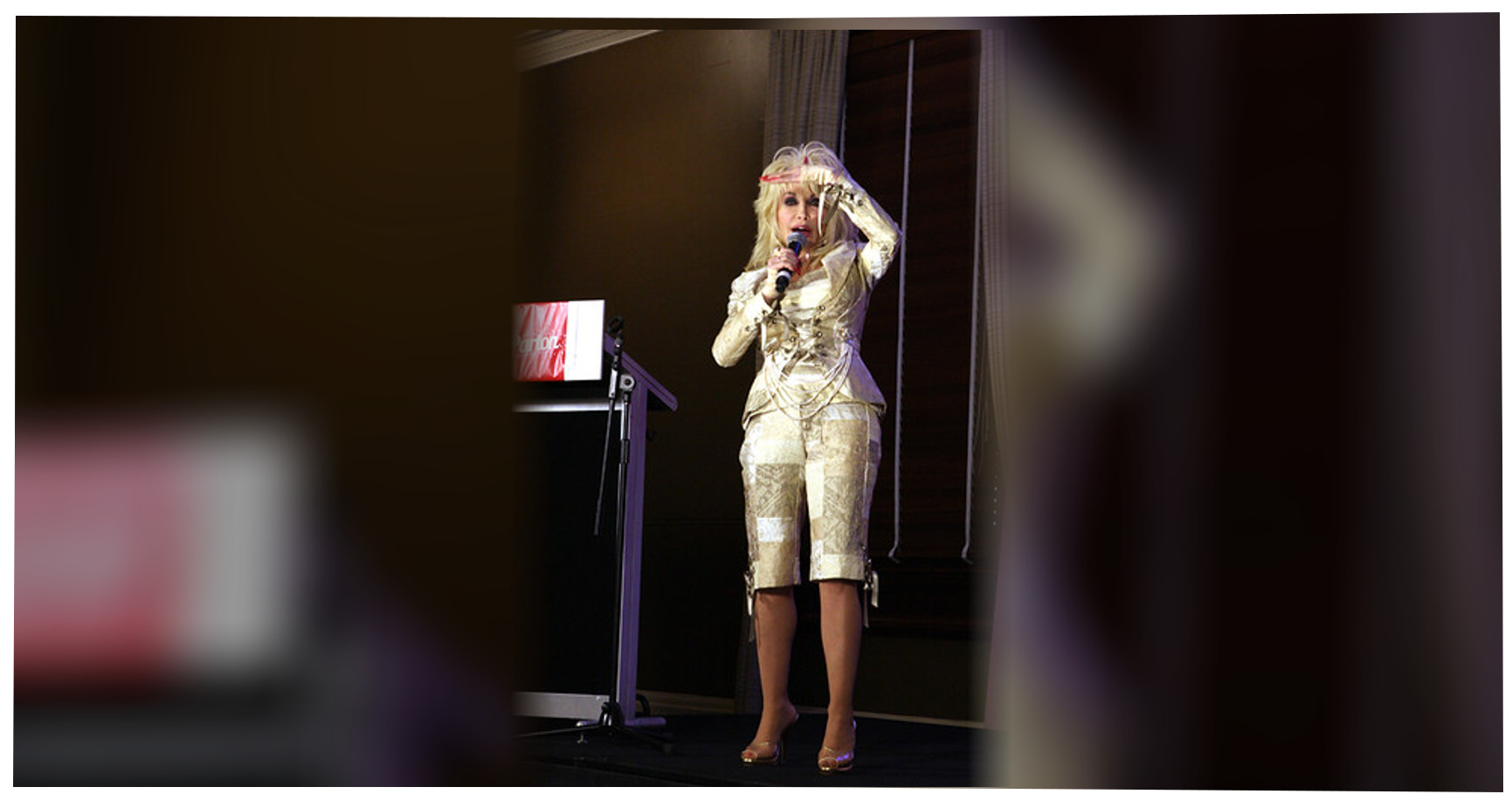
She became identified with rhinestones, towering blond hair, sharp comic timing and a deliberately exaggerated persona. Yet the apparent playfulness was paired with serious control over her career. Parton understood the risks of being underestimated, and she made that underestimation part of the joke without allowing it to define her.
For country music, her importance rests not only on celebrity but on authorship. She helped establish the songwriter as a central force in a genre often measured by performance and chart success. Her voice and style were unmistakable, but so was the sense that her songs came from a specific life and place.
Her persona carried real power
Parton made glamour look accessible rather than distant. She embraced a look that critics could have treated as kitsch, then transformed it into a statement of autonomy. She was in on every joke about the image she created, which gave her control of the conversation.
That balance helped make her unusually durable. Fans could admire the spectacle, laugh with her and still take her artistic work seriously. Few stars have moved so easily between self-parody and emotional sincerity.
The contrast was part of the appeal: a performer associated with sparkle and wit who also wrote songs about hardship and hope. The New York Times noted that her music confronted privation and loss even as it projected possibility. That combination made her work feel both theatrical and grounded.
Her public warmth also carried cultural weight. In an era when prominent entertainers are often sorted into narrow political or generational camps, Parton retained an unusually broad base of affection. That does not mean every listener interpreted her choices the same way; it means her body of work gave different audiences reasons to claim a connection.
More than a recording career
Parton’s reach extended into film, live performance and business. The Times described her as an international celebrity who headlined stadium tours, appeared in Hollywood movies and built a business empire.
That breadth is part of why her death will register differently from the passing of a conventional recording artist. Her name became a shorthand for a particular kind of ambition: local roots paired with national scale, and show-business polish paired with a conversational, down-home manner.
Her success also complicated stale ideas about who could control a country-music career. Parton was not presented merely as an interpreter of songs or an image created by others. She was a songwriter and entrepreneur whose choices helped turn a personal brand into a long-running institution.
There is room to debate which part of Parton’s legacy will prove most enduring: the recordings, the songs other artists carried forward, her screen work, or the example she set as a businesswoman. The answer may depend on the generation doing the remembering. Her rare achievement was making all of those roles feel connected.
Why her songs outlast trends
Parton’s death will bring renewed attention to a catalog that has already traveled across genres and generations. Her best-known work was built around clear storytelling, memorable melodies and emotional directness—qualities that make songs easier to revisit than cultural moments tied to a single era.
She also understood that accessibility did not require simplification. A song could be plainspoken while holding complicated feelings. That was one reason she could be heard as a country artist first while still reaching listeners who did not otherwise see themselves as country-music fans.
Her influence is likely to be measured not just in tributes but in the continued life of those songs: new interpretations, old recordings rediscovered and younger performers studying how she matched personality with craft. The attention may also renew discussion of women’s authorship, ownership and power in Nashville and across the music industry.
For now, the clearest fact is also the hardest one: Dolly Parton, the 80-year-old country music legend whose presence seemed permanent to many fans, has died. What remains is an extraordinary body of work and a public persona that made millions feel as if they knew her.
A legacy larger than one genre
Parton’s career showed that country music could be regional without being limited, glamorous without being hollow and popular without losing emotional specificity. She carried Appalachian experience into the mainstream without abandoning the voice that made her distinctive.
That is why the response to her death is likely to reach far outside Nashville. Dolly Parton was a country musician, but she was also a writer, performer and cultural symbol whose particular style became widely understood. Her legacy now belongs to the songs, stories and audiences that will keep finding their way back to her.







Leave a Reply