
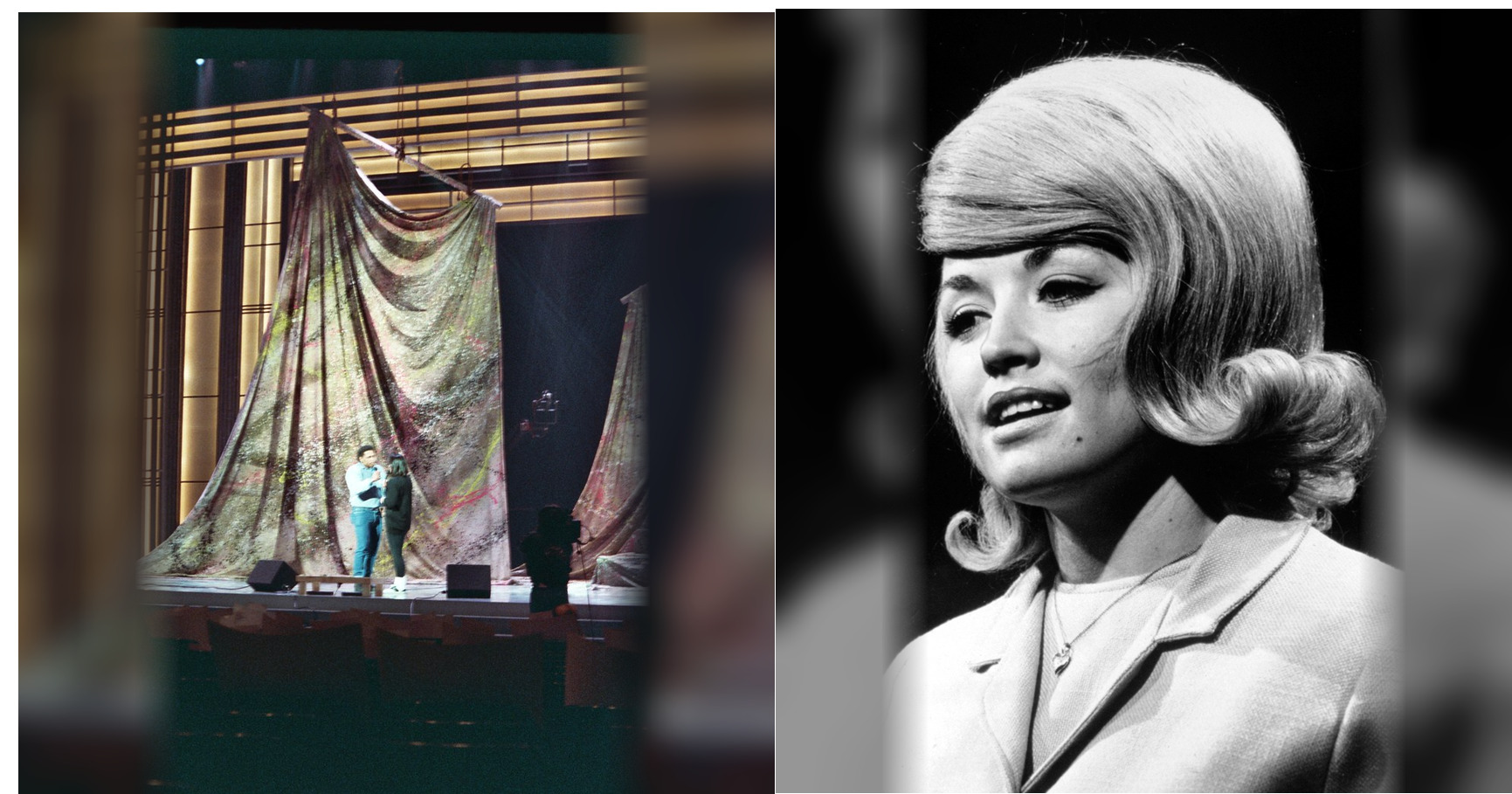
Ronstadt’s words place the loss of Parton in personal terms while underscoring the musical partnership that helped define a generation of country-pop crossover. The response to Parton’s death also reflects the unusually broad public legacy she leaves behind.
Linda Ronstadt remembered Dolly Parton after Parton’s death with a plainspoken tribute to her late friend and Trio collaborator. “The world is a poorer place without her,” Ronstadt said, summing up the loss of an artist whose voice, songwriting and public generosity reached far beyond country music.
Ronstadt and Parton collaborated on Trio, the celebrated roots-music project that brought their distinct vocal styles into close harmony. Ronstadt’s remembrance matters because it comes from someone who knew Parton not only as a towering public figure, but as a creative peer.
A personal note from Ronstadt
Ronstadt said she was “deeply saddened” by the passing of Parton, calling her a friend as well as a collaborator. Her statement did not attempt to catalogue Parton’s accomplishments. Instead, it focused on the absence left by someone whose presence had long felt familiar to audiences and fellow performers alike.
That directness fits the scale of the reaction. Tributes after Parton’s death have come from musicians, political leaders and public figures, but Ronstadt’s message carries the weight of a shared musical history.
For fans, the quote also captures a difficult distinction: the public can celebrate a vast archive of recordings, performances and charitable work, while the people who worked alongside Parton are mourning a colleague and friend.
Why ‘Trio’ still carries weight
Trio remains central to understanding why Ronstadt’s tribute resonates. The project put established singers with different careers and musical identities into an arrangement built around blend, restraint and respect for traditional country and roots material.
Its appeal was not about one performer overpowering the others. Listeners heard voices that could lead on their own records finding room for one another, an approach that made the collaboration feel both prestigious and intimate.
Parton had already become a major force as a songwriter and entertainer. Ronstadt was one of popular music’s most versatile vocalists. Their work together showed how country, folk and pop traditions could meet without sanding away their differences.
That is the key context behind Ronstadt’s words. She was not simply mourning an admired star. She was remembering a partner in a project whose harmony depended on trust, timing and the ability to listen as closely as one sang.
Parton’s loss reaches beyond music
Parton died Tuesday at Vanderbilt-Ingram Cancer Center in Nashville, Tennessee, after what her spokesperson described as a brief battle with disease, according to CBS News. The announcement prompted a wave of remembrances that stretched well beyond the music business.
Parton’s public identity had long included philanthropy, especially her Imagination Library book-gifting program. The program began in Sevier County, Tennessee, in 1995 as a tribute to her father, who never learned to read, and later expanded across the United States and into several other countries.
That work is part of why reactions have emphasized more than hit songs and stage persona. Parton’s legacy includes a practical, sustained investment in early reading, alongside support associated with education, health care, disaster relief and other causes.
It also explains why public tributes have come from such different corners of American life. A singer can be famous; Parton became a shared cultural reference point, known to country fans, movie audiences, television viewers, children receiving books and people who never closely followed her records.
A rare kind of cultural reach
Some memorial statements naturally center Parton’s warmth and humor. Others focus on her influence as a songwriter, a country performer or a businesswoman who shaped her own career. Ronstadt’s tribute adds another lens: the enduring regard of an equal.
That does not mean every account of Parton’s importance will sound the same. Her career spanned different eras, genres and audiences, so listeners may connect most strongly to a favorite recording, film role, television appearance or charitable effort.
The common thread is range. Parton built a public life broad enough that her death is being felt as both a personal loss by collaborators and a cultural loss by people who encountered her work in very different ways.
Ronstadt’s phrase, “The world is a poorer place without her,” avoids trying to reduce that range to a single accomplishment. It recognizes that Parton’s impact came from the accumulation of many roles, performed with a consistency that made her seem unusually accessible.
What the tribute leaves behind
The immediate focus is grief, and the details of future memorial plans or additional statements were not clear in the reporting available. What is already evident is that Parton’s work will continue to be revisited through several connected lenses: her songs, her performances, her collaborations and her philanthropy.
For Ronstadt, Trio is an especially meaningful part of that story. The collaboration preserves an audible record of artists meeting one another at full strength, rather than as passing celebrity guests.
That is why Ronstadt’s remembrance lands with more force than a routine farewell. It is a tribute from inside the music: one singular voice acknowledging another, and recognizing that the world Parton helped shape is diminished by her absence.





Leave a Reply