
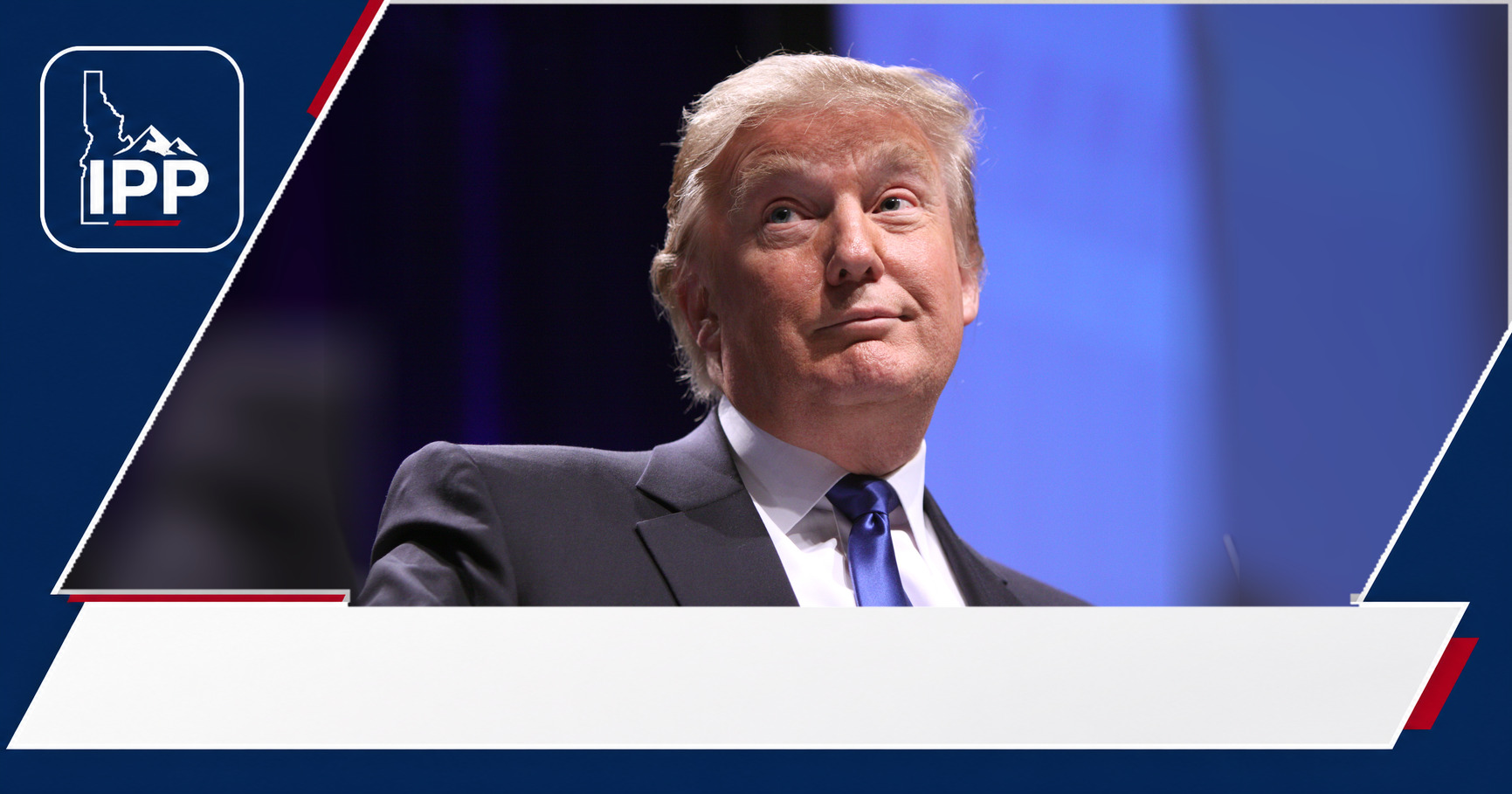
The price move shows how quickly geopolitical risk can flow into crude markets, even before a confirmed supply shortage. The key concern is whether a wider conflict could threaten shipping routes tied to global energy supply.
Oil prices rose after Donald Trump threatened retaliation for an Iranian attack. Global oil prices climbed 7% on Wednesday, crossing above $90 a barrel, according to ABC News, as traders weighed the risk that rising U.S.-Iran tensions could disrupt energy flows.
The article explains why Trump’s vow of retaliation affected oil markets: crude is priced not only on current supply, but on what investors fear could happen next. When a conflict involves Iran, oil markets immediately look toward shipping lanes, insurance costs, military risk and the possibility that barrels may become harder to move.
Why a threat moves crude
The first thing to understand about Wednesday’s oil surge is that markets often move before physical supply changes. A tanker does not have to be blocked, and a refinery does not have to shut down, for prices to rise. Traders can bid up crude because they believe the odds of disruption have increased.
That is what made Trump’s retaliation warning so market-sensitive. A threat of U.S. action against Iran raises the possibility of a wider confrontation in a region that sits near some of the world’s most important energy infrastructure. Even if supply is still flowing, the price can reflect a new risk premium.
Reuters reported that Trump vowed more aggressive attacks on Iran, sending oil prices higher again and deepening strain on consumers. ABC News reported the sharper market number: global oil prices climbed 7% Wednesday and crossed above $90 a barrel.
Those figures matter because oil is a benchmark commodity. It feeds into transportation, shipping, plastics, chemicals, agriculture and, eventually, household fuel costs. A one-day jump does not automatically mean drivers will see a matching increase overnight, but it can change expectations across the economy.
Hormuz is the pressure point
Iran matters to oil markets not only because of its own energy production, but because of geography. The Strait of Hormuz is the narrow waterway connecting the Persian Gulf to the Gulf of Oman and the Arabian Sea. It sits with Iran to the north and Oman to the south.
A Congressional Research Service report describes the Strait as a key route for oil and natural gas moving to world markets. At its narrowest point, the report says, it is 22 nautical miles wide, with two shipping lanes that are each two miles wide and separated by a two-mile buffer.
That narrow geography is why threats in and around Iran can carry an outsized market impact. If traders believe ships could face attacks, delays, rerouting or higher war-risk insurance costs, the market can price in the possibility that supply will become more expensive even if the oil itself remains available.
The CRS report also noted that Middle East supply disruptions can take many forms, including threats to production and trade, kinetic attacks on oil facilities, and attacks on ships. That broad menu of risk is exactly what makes crude sensitive to military language.
The market is pricing fear
A 7% climb above $90 a barrel is not just a reaction to a headline. It is a signal that the market is reassessing probabilities: How likely is U.S. retaliation? How might Iran respond? Could shipping be slowed? Would insurers raise premiums? Would buyers seek alternative supplies?
The immediate price move is not proof of a confirmed shortage. It is proof that traders see a higher chance of one. In commodity markets, that distinction is crucial. Prices often move on risk, not just inventory.
There is also a feedback loop. Higher oil prices can make inflation worries worse, which can affect interest-rate expectations, consumer confidence and corporate costs. Airlines, trucking companies and manufacturers watch crude not as an abstract market number, but as a core input.
The counterpoint is that geopolitical spikes can fade if supply routes remain open and military action stays limited. Markets have seen many conflict-driven surges that later cool when the worst-case scenario does not materialize. That is why the next few days matter as much as the first reaction.
Consumers feel it later
For households, the oil-price jump is most visible through gasoline, diesel and heating fuels. The effect is not immediate or perfectly proportional. Pump prices depend on crude costs, refining margins, regional supply, taxes and distribution.
Still, a sustained move above $90 a barrel would be harder to ignore. It can raise costs for freight and travel, which can filter into food, retail goods and services. The Reuters framing of deeper strain on consumers points to that wider concern.
Businesses also face uncertainty when energy prices swing. A shipping company may pay more for fuel. An airline may face higher jet-fuel costs. A manufacturer may see higher transportation bills for raw materials and finished goods.
The political stakes are obvious. Energy prices are one of the fastest ways foreign policy can become a domestic economic issue. A military confrontation far from most American households can still show up in monthly budgets if oil prices remain elevated.
Politics meets pump prices
Trump’s threat of retaliation sits at the intersection of national security and market confidence. Supporters of a forceful response may argue that deterrence requires a clear warning after an Iranian attack. Critics may worry that escalating rhetoric raises the risk of a broader conflict with economic costs.
Oil markets do not decide which argument is right. They price exposure. The more uncertain the path, the more traders may pay for barrels now rather than risk paying more later.
That is why language from Washington, Tehran and military officials can move markets almost as much as confirmed battlefield developments. A promise of retaliation can suggest the conflict is not contained. Any sign of de-escalation can have the opposite effect.
Congress also has an interest when the Strait of Hormuz is in focus. The CRS report noted congressional concern about how a closure or threat of closure could affect oil, natural gas and other commodities, as well as U.S. policy options including military action or sanctions.
What remains unclear
The biggest unanswered question is whether Trump’s retaliation threat becomes action, and if so, how Iran responds. The market reaction reflects anxiety about escalation, not a complete picture of what comes next.
It also remains unclear whether the oil spike will hold. If shipping continues, supply remains steady and officials signal restraint, prices could ease. If attacks spread or shipping risk increases, the premium could grow.
For now, the takeaway is straightforward: oil prices surged because traders saw a higher geopolitical risk after Trump’s vow of retaliation for an Iranian attack. The move above $90 a barrel shows how quickly U.S.-Iran tensions can become a global market event.
The danger for consumers and policymakers is not just one day of higher crude. It is the possibility that fear becomes a sustained cost, built into fuel, freight and inflation expectations until the path of the conflict becomes clearer.





Leave a Reply