
The episode matters less for what is publicly known so far than for what it reveals: personnel fights can quickly become political liabilities when Congress and the White House need to move together.
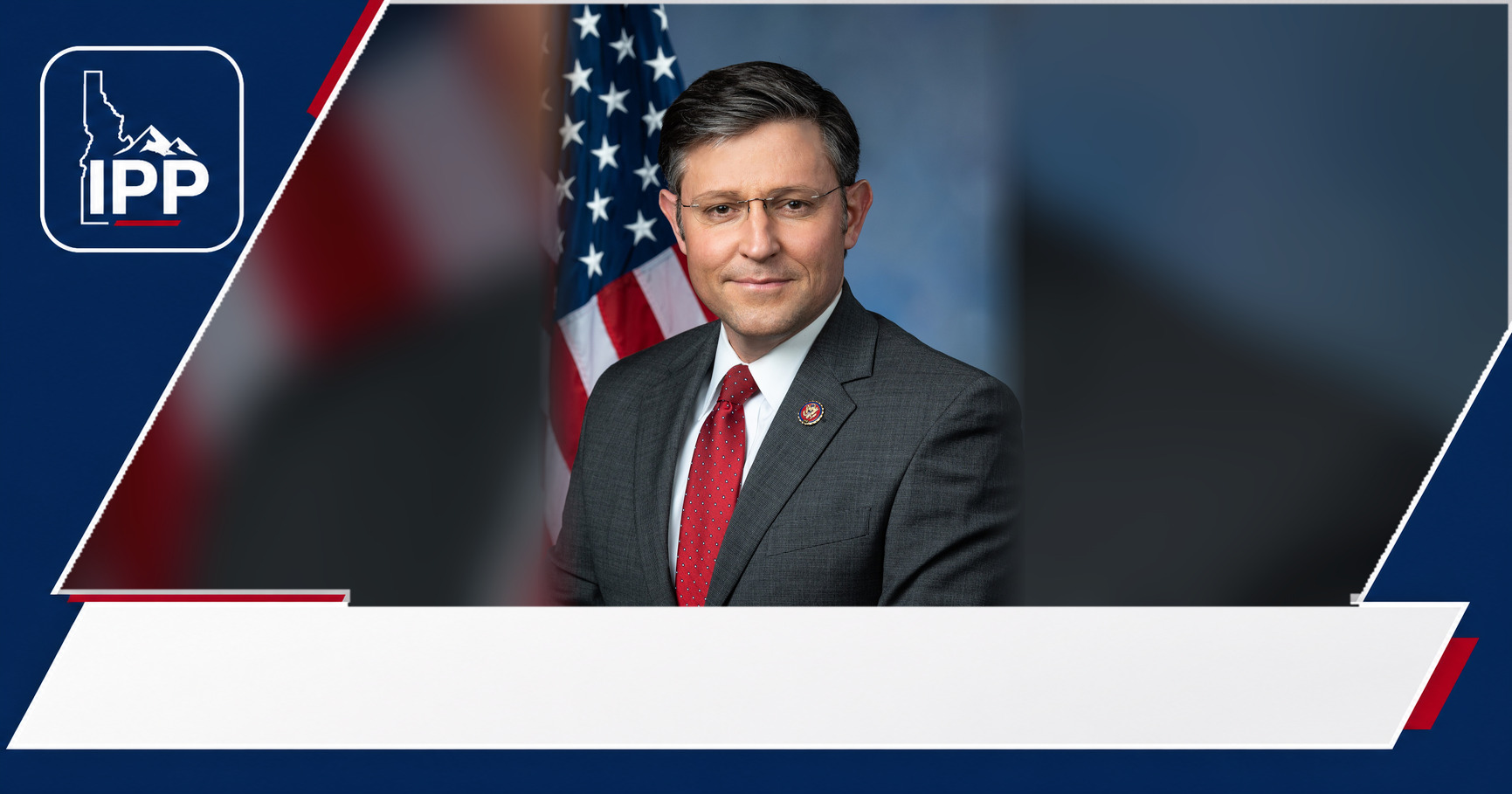
White House anger over a Trump appointee’s self-inflicted mistake is now spilling into a reported Republican dispute, with House Speaker Mike Johnson furious about the situation and officials worrying over the political fallout from the controversy. Raw Story’s MSN-distributed report framed it bluntly: “White House fumes” and Johnson is “furious,” but the available public record does not yet identify the appointee or fully detail the alleged misstep.
That uncertainty matters because Trump administration appointments are not just personnel choices. They are pressure points for governing, Senate relations, House leadership and the broader Republican message.
The report is narrow and combustible
The known facts are limited. A Raw Story item distributed on MSN says the White House is fuming over a Trump appointee’s “self-inflicted” mess and that Mike Johnson is furious. The headline points to internal frustration, a mistake viewed as avoidable and concern that the episode has created a political problem for Republicans.
What it does not publicly establish, at least from the material available here, is the identity of the appointee, the exact agency involved, the conduct at issue or whether the White House has taken any formal action. Those gaps are not minor. In political personnel stories, the difference between a communications blunder, an ethics issue, a nomination snag and a policy fight can be enormous.
Still, the phrasing is revealing. “Self-inflicted” is Washington shorthand for a problem that allies believe did not have to happen. It implies frustration not just with opponents or the press, but with someone inside the governing coalition who created an avoidable distraction.
Why Johnson’s anger matters
Mike Johnson is not a bystander in a fight over Trump-era personnel. As House speaker, he sits at the point where White House priorities, Republican conference politics and legislative timing collide. If Johnson is described as furious, the political signal is that the issue is not being treated as a routine staff headache.
For a speaker, appointee controversies can become practical problems. They can derail message discipline, force members to answer questions they did not create and eat up time that leadership would rather spend on spending fights, investigations, nominations or campaign priorities.
Johnson also has to manage a Republican conference where loyalty to Trump remains a central force, but where members can differ sharply on tactics, timing and who should absorb blame when something goes wrong. A misstep by a Trump appointee can put House Republicans in an awkward posture: defending the administration while privately resenting the distraction.
That is why the reported anger matters even before every detail is known. Internal frustration can be a bigger problem than public criticism when it suggests that allies believe the damage was preventable.
Appointments are governing tests
The White House’s own nominations and appointments page shows a steady stream of formal personnel actions in June and July 2026, including entries labeled “Nominations Sent to the Senate,” “Nomination Sent to the Senate” and “Nominations and Withdrawals Sent to the Senate.” That public record does not identify the controversy described in the Raw Story report, but it underscores the machinery behind these disputes.
Presidential appointees are extensions of an administration’s agenda. Some require Senate confirmation. Others serve in roles where their public comments, ethics compliance, management decisions or political instincts can quickly reflect on the president who elevated them.
That makes the word “appointee” especially loaded. It is not the same as a random supporter saying something inflammatory. An appointee carries institutional weight. When a problem reaches the White House and House speaker level, it can become a test of vetting, discipline and damage control.
There is also a timing issue. In a closely watched political environment, personnel problems rarely stay neatly contained. A single controversy can become ammunition for Democrats, a headache for Senate allies, or a loyalty test inside the Republican Party.
The ethics backdrop is familiar
Trump administration appointees have faced scrutiny before over the line between official duties and political activity. A Congress.gov record from a House Oversight hearing titled “Violations of the Hatch Act Under the Trump Administration” noted that warning letters had been issued to six White House employees appointed by President Trump who used official Twitter accounts in ways that raised concerns.
That older record is not evidence about the current reported dispute. It is useful context for why stories about political appointees can escalate so quickly. The Hatch Act and related ethics rules exist because government officials are not supposed to use public office as a campaign instrument.
Sometimes these controversies are about law. Sometimes they are about judgment. Often they are about both, because even conduct that does not lead to formal punishment can create political damage if it looks careless, arrogant or avoidable.
That distinction is important here. The phrase “self-inflicted mess” does not, by itself, prove legal wrongdoing. It signals that allies see a political problem. Until more is reported or confirmed, the safer reading is that the controversy has generated internal anger, not that a specific violation has been established.
What is still unknown
The biggest unanswered question is basic: who is the Trump appointee? Without that, it is difficult to assess whether the fallout is likely to be short-lived or serious.
Other key unknowns include:
- whether the appointee serves in the White House, an agency or a role requiring Senate confirmation;
- whether the alleged mistake involved policy, ethics, communications, management or political activity;
- whether Mike Johnson’s reported fury is directed at the appointee, the White House handling of the matter, or both;
- whether any formal investigation, resignation, withdrawal or disciplinary step is under discussion;
- whether Democrats or Republican critics plan to turn the episode into a public fight.
Those distinctions matter because Washington often treats every personnel fight as a scandal at first glance. Some fade within a news cycle. Others expose deeper dysfunction.
Why this could linger
The danger for the White House is not only the original mistake. It is the perception that senior Republicans are spending political capital cleaning up after someone who should have known better.
For Johnson, the risk is different. If House Republicans are asked to defend a controversy they did not create, patience can wear thin quickly. The speaker has to protect the conference, keep members aligned with the White House and avoid letting internal anger become public division.
For Trump, the episode touches an old vulnerability and an old strength. His movement has always prized loyalty and combativeness, but governing also requires appointees who can avoid unnecessary messes. When those goals clash, allies often argue over whether the problem is the person, the process or the press coverage.
The clean takeaway is that this remains a developing political story with more questions than confirmed details. But the reported reaction from the White House and Mike Johnson shows why even an unnamed appointee’s mistake can matter: in a high-pressure administration, avoidable problems are rarely treated as private embarrassments for long.




Leave a Reply