
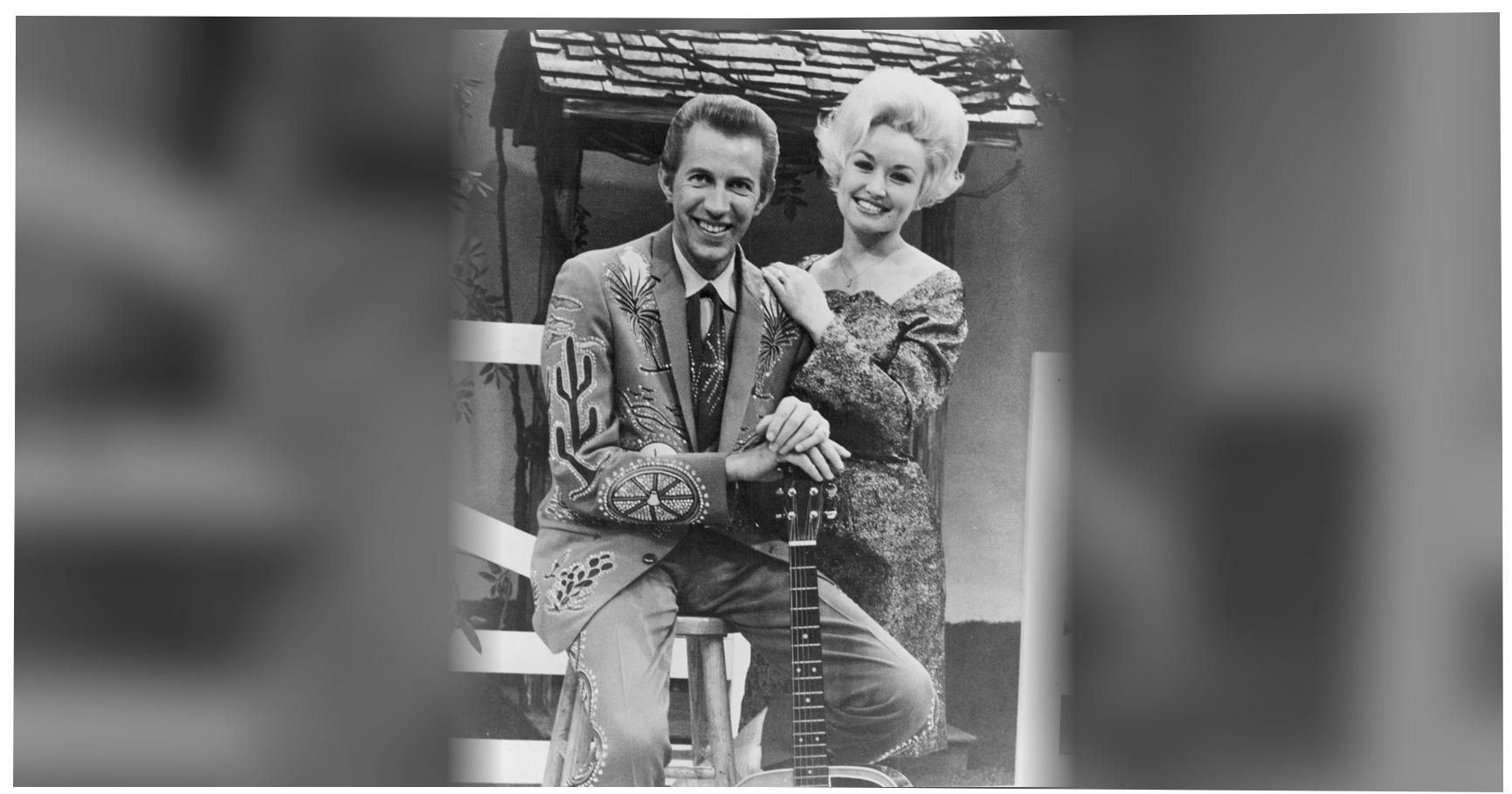
The country icon has spoken openly, if selectively, about tattoos designed to turn scars into flowers, butterflies and other soft-colored artwork. Her own descriptions are more restrained than the longstanding rumors surrounding them.
Dolly Parton has pastel tattoos covering most of her body, according to a claim that has circulated for years, and the tattoos were previously kept hidden from public view. But Parton’s own comments paint a more careful picture: she has confirmed several discreet designs, often in soft colors, used to cover scars and kept largely private.
That distinction matters because the stories about Parton’s ink have grown larger than the details she has personally shared. The singer has never given a full public tour of her tattoos, leaving fans with a mix of her firsthand explanations, a famous TV moment and secondhand celebrity recollections.
A private detail became public lore
One of the earliest widely remembered moments came during a 1999 appearance on The Tonight Show with Jay Leno. When Leno noticed something near Parton’s sleeve, she acknowledged having “a little tattoo” and referenced an angel and a butterfly.

It was a playful exchange, but it helped establish the central fact: the rhinestone-and-glamour star known for elaborate stage costumes did have ink she did not routinely display.
Years later, Roseanne Barr added fuel to the mystery in a 2011 interview, saying Parton was “totally tattooed” with pastel designs rather than black or blue lines. Barr described bows and artwork across Parton’s body, a colorful account that has been repeated widely ever since.
Still, Barr’s description was not a detailed confirmation from Parton herself. It is the source of much of the sweeping claim that tattoos cover most of Parton’s body.
Parton describes a smaller collection
Parton has consistently said she has tattoos, but her wording has generally been more modest. In a 2014 appearance on Today, she said she had “a few little tattoos,” explaining that they were mostly done to cover scars because of how visible scars can be on her fair skin.
She also stressed that they were not placed where the public would commonly see them. That privacy has made the tattoos unusually compelling: Parton has confirmed the broad story without turning it into a visual reveal.
In a 2021 interview with W Magazine, she again said she had “a few little tattoos here and there” and emphasized that she did not have heavy, dark designs. “Mine are all pastel,” she said, adding that she had more than one.
Her firsthand accounts support the pastel detail and the hidden placement. They do not establish a precise total, or independently confirm that most of her body is tattooed.
Scar coverage shaped the designs
For Parton, the tattoos have not been framed as a public statement or a rebellious image change. She has described them as a way to soften the appearance of scars that remained purple after injuries or medical procedures.
During a 2016 interview with Larry King, Parton said she had a tendency toward keloid scarring and began using “little pastel things” to disguise marks. She specifically contrasted her approach with bold, highly visible tattoo styles.
Her explanation is notable because it centers control rather than concealment alone. A scar can be an unwanted reminder; a small flower, butterfly or other design can change how its owner sees it.
That idea surfaced again in a 2019 Good Morning America interview, when Parton described “decorating” scars with flowers and butterflies. The language fits the visual world she has built throughout her career: bright, feminine, humorous and intentional.
The beehive carries a personal meaning
Parton offered her most specific tattoo story in a 2020 interview with People. She said a period of illness had required a feeding tube, which left an indentation in her side that she did not like.
Because scars can turn purple on her skin, she said she had a small yellow-and-brown beehive tattooed over the area, with a tiny bee above it. The indentation became part of the image.
“I like to make positives out of negatives,” Parton said. It is a concise explanation for why the tattoos matter beyond celebrity curiosity: the designs were intended to transform something difficult into something playful and personal.
She also made clear that the tattoos were not meant as declarations for strangers. Asked whether she had inked her late husband Carl Dean’s name on her body, Parton replied that he was “tattooed on my heart.”
Why the mystery has lasted
Parton’s public image has always balanced accessibility with control. She is famously candid about parts of her life, but she has also maintained boundaries around her body, marriage and home life. Her wardrobe has helped preserve those boundaries without requiring a formal explanation every time she wears long sleeves or performance costumes.
The tattoo story also runs against easy assumptions. For some fans, hidden body art seems surprising because Parton is associated with classic country glamour and a polished, highly recognizable look. Yet pastel tattoos, flowers and butterflies are not at odds with that persona; they may be among its most private expressions.
There is also a cultural shift at work. Fine-line, soft-color and scar-covering tattoos now receive broad attention online, while Parton has described a version of that practice for more than a decade in major interviews.
Calling her a trendsetter may oversimplify an intensely personal decision. But her comments show that she was thinking about tattooing as healing, decoration and self-definition long before those ideas became common social-media language.
What remains unconfirmed
The viral version of the story is easy to summarize: Dolly Parton is secretly covered in pastel tattoos. The verified version is more interesting, even if it is less definitive.
- Parton has confirmed that she has multiple tattoos.
- She has said they are pastel or soft-colored rather than heavy, dark designs.
- She has connected several tattoos to covering scars, including a beehive design over a feeding-tube mark.
- She has said the tattoos are generally not in places the public sees.
- She has not publicly cataloged them or confirmed exactly how much of her body they cover.
So the enduring appeal is not a newly exposed collection of tattoos. It is the contrast between a vivid rumor and Parton’s own quieter account: small, meaningful designs kept on her terms, with just enough detail shared to keep the legend alive.



Leave a Reply