
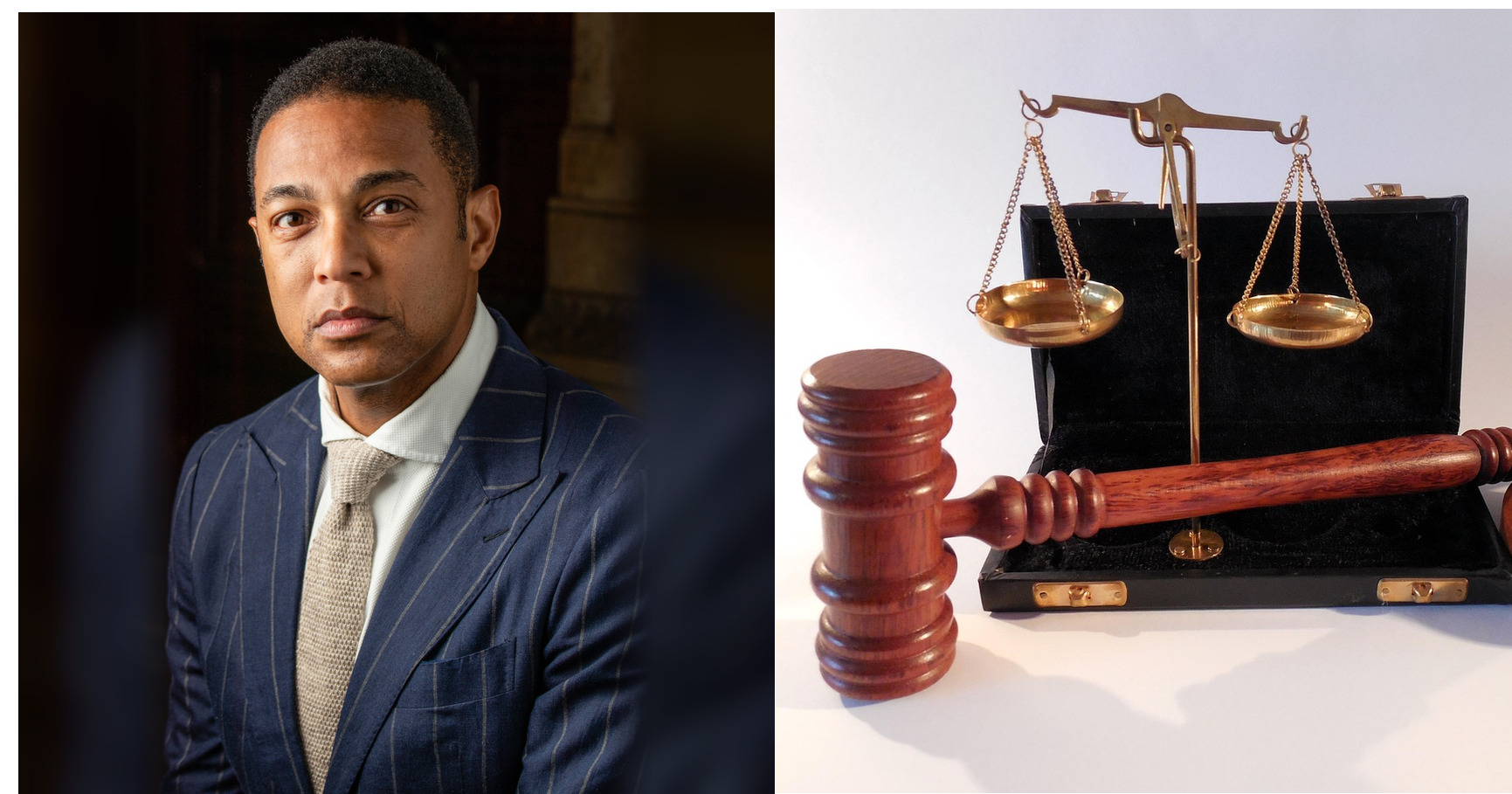
The dispute is not about a jury verdict; it is about the secret pretrial process that led to the government’s case. The judge’s decision to review it could determine whether the case moves forward or faces a major procedural test.
A federal judge in Minnesota is examining grand jury proceedings connected to the Justice Department’s case against Don Lemon and is probing this week whether the case should be dismissed. The Don Lemon judge has raised concerns about a potentially botched grand jury proceeding after Lemon and independent journalist Georgia Fort sought the transcripts in February.
That review matters because federal grand juries operate in secret, and courts do not routinely open their records to defendants. The immediate question is whether the record reveals a flaw serious enough to affect the government’s case against Lemon—not whether a judge has already found that the process was improper.
Why the grand jury record matters
A federal grand jury is the body that decides whether there is probable cause to bring an indictment. It is not the trial jury that eventually decides guilt or innocence, and its proceedings generally occur outside public view.

Congressional Research Service material explains that a federal judge does not sit in the grand jury room or preside over its day-to-day proceedings. Prosecutors present evidence, witnesses may be called, and jurors decide whether the government has met the threshold for an indictment.
That secrecy has a purpose: it can protect witnesses, prevent the premature disclosure of allegations and preserve the integrity of an investigation. It also means defendants typically cannot simply demand a full transcript because they want to inspect how the government built its case.
For that reason, judicial review of the material is a consequential procedural development. It can signal that the court sees enough basis to examine a specific claim, even though it does not resolve that claim.
The February request set up review
According to Associated Press reporting, Lemon and Georgia Fort filed a motion in February seeking transcripts from the grand jury proceedings. The available reporting does not establish that the court has made those transcripts public or that Lemon and Fort will receive every part of the record.
The important distinction is between seeking access and winning a challenge. A party may ask a court to examine confidential grand jury material because it believes an irregularity occurred; the judge must then decide whether the legal standard for disclosure, review or relief has been met.
CNN reported that the Minnesota judge would probe whether grounds exist to toss the Justice Department’s case against Lemon. That puts the issue at a high-stakes stage, but the wording is still conditional: the court is assessing potential grounds for dismissal, not announcing that dismissal is warranted.
A rare step, but not a verdict
Descriptions of the move as rare reflect the guarded nature of grand jury materials. Federal rules and legal practice generally favor confidentiality, so a request for transcripts faces a substantial hurdle.
Still, courts can review grand jury matters when a party presents a concrete reason and the legal requirements are satisfied. The precise scope of the judge’s review, the claimed defect and the evidence supporting it were not detailed in the research supplied here.
That uncertainty is central. “Botched” is a characterization of the alleged problem, not a judicial finding contained in the confirmed reporting. Readers should be wary of treating the judge’s scrutiny as proof that prosecutors acted improperly or that the grand jury’s work will be invalidated.
The Justice Department’s position on the request was not included in the available source material. Its response, and any sealed filings or arguments considered by the judge, could shape how much of the dispute becomes visible.
What flaws can affect an indictment
Not every mistake in a grand jury process ends a case. Courts generally look at the nature of an alleged error, whether it violated a protected rule or right, and whether it caused legally meaningful prejudice.
Federal grand jury guidance illustrates the seriousness of certain problems. A handbook for federal grand jurors says an indictment may be nullified if a grand jury attempts to force the accused to testify. That is an example of a potentially fundamental defect, not a finding about Lemon’s case.
Other disputes can involve subpoena practice, witness issues, instructions, prosecutorial conduct or the handling of evidence. The Department of Justice’s manual notes that federal grand jury subpoenas are governed by Rule 17 of the Federal Rules of Criminal Procedure.
Whether any comparable issue is involved here remains unclear from the confirmed reporting. The legal relevance will depend on the specific allegations raised by Lemon and Fort, the government’s answer and the record the judge reviews.
Why this reaches beyond Lemon
The fight highlights a recurring tension in the federal system: grand jury secrecy can protect investigations, while defendants may argue they need limited access to test whether the process was fair and lawful.
Supporters of strict secrecy say broad disclosure could chill witnesses, expose uncharged people and complicate future investigations. Advocates of greater scrutiny argue that secrecy should not block a meaningful review when a defendant presents credible claims of a procedural breakdown.
In a case involving journalists, the dispute may also draw attention because reporting and law enforcement intersect in ways that can raise broader concerns about press freedom and government power. But the present court question is narrower: whether there is a legal basis to disturb the Justice Department’s case because of what happened in the grand jury process.
What the judge’s next ruling could do
The judge could conclude that no relief is justified and allow the case to proceed. The court could also order or conduct a more tailored review of material, potentially determine that limited disclosure is appropriate, or find a defect significant enough to affect the case.
A dismissal, if one were to occur, would turn on the court’s reasoning and could be subject to further litigation. It would not necessarily answer every dispute surrounding the underlying allegations.
For now, the clearest takeaway is limited but significant: a Minnesota federal judge is looking closely at an ordinarily secret stage of the Justice Department’s case against Don Lemon. The outcome will depend on facts and legal arguments that have not yet been fully aired in the public reporting.







Leave a Reply