

The attention is less about an auto race than about who appeared in the official images around it. Natalie Harp’s reported absence has prompted questions about the meaning of White House social-media framing—and what cannot be concluded from it.
Natalie Harp was reportedly omitted from White House social-media coverage of Donald Trump and Melania Trump after the first couple attended the Freedom 250 Grand Prix. The reported absence is drawing attention because Harp has been closely associated with Trump, but the available reporting does not establish whether a post was edited, why she was not shown, or whether it signals any change in her role.
Trump and the first lady’s appearance at the Freedom 250 Grand Prix is the part of the episode that is independently documented. Reuters reported that the IndyCar event moved through Washington and the National Mall on August 23, making the official coverage—and the people included in it—a fresh subject of political scrutiny.
What the report actually claims
The originating report says Harp was absent from White House social-media coverage of Trump and Melania Trump at the Freedom 250 Grand Prix. That is a narrower claim than saying Harp was removed from a job, sidelined by the administration, or excluded from the event itself.

Those distinctions matter. Social-media posts are curated products: officials decide which images, video clips and messages best serve the purpose of a particular post. A person’s absence from a short set of images can be notable, especially when that person is regularly visible around a president, but it cannot on its own explain the decision behind the selection.
The material provided does not include the posts at issue, a White House explanation, or evidence documenting an earlier version of a post that showed Harp. Without those records, the most supportable description is that one report identified her as missing from the White House’s coverage.
The Grand Prix brought Trump to Washington
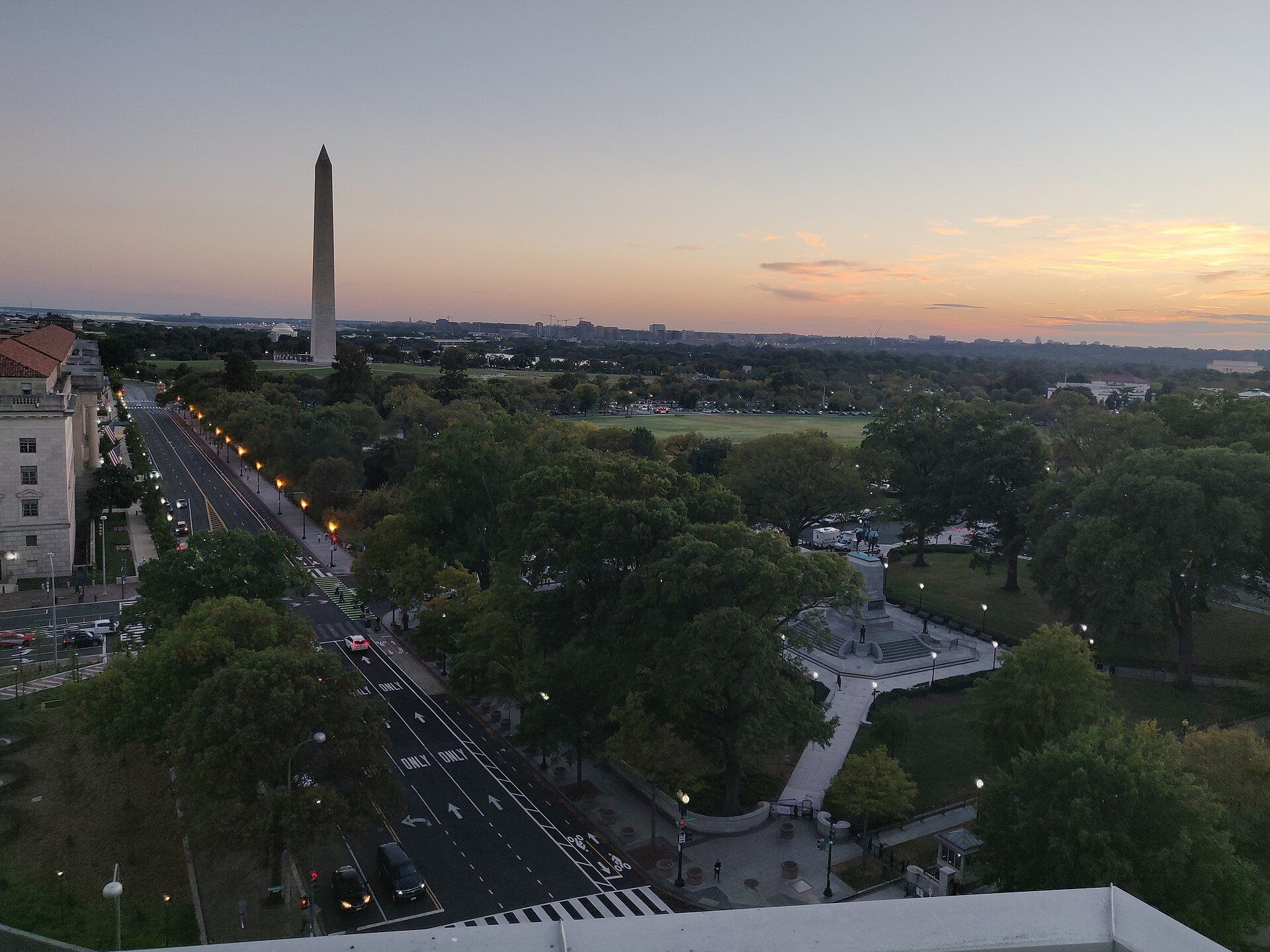
The Freedom 250 Grand Prix was not a routine campaign-style stop. Reuters described the August 23 event as an IndyCar race through Washington tied to the nation’s 250th-birthday celebrations, with the course running through the National Mall area.
Forbes characterized the race as a Washington street-course spectacle, reporting that cars traveled along a temporary 1.7-mile circuit near major federal landmarks. Its account also emphasized criticism of the disruption required to stage the event, including road-access issues and broader questions over costs.
That setting helps explain why the visit generated more attention than a standard photo opportunity. The White House was not simply documenting Trump at a sporting event; it was presenting a presidential appearance at a high-profile, highly visible celebration in the capital.
Why an omitted aide draws notice
Harp has long been described in coverage of Trump’s orbit as a loyal aide and close presence. When staff members are known for their proximity to a principal, readers often treat their appearance—or nonappearance—in official material as a possible clue about access and influence.
But proximity is not the same as a formal title, and visibility is not a reliable organizational chart. Aides can be absent from photos because they are working off camera, traveling separately, standing outside a frame, or simply irrelevant to the story a communications team wants a post to tell.
There is also a competing interpretation: the White House may have been centering Trump, Melania Trump, the racing event and the Freedom 250 theme rather than anyone from the president’s staff. In that reading, Harp’s absence says more about the post’s intended visual message than about internal politics.
Official posts are not complete records
White House social accounts are designed to create a public narrative, not provide a comprehensive log of every attendee, aide or interaction. The same is true of official photographs, event videos and press-office recaps. They can reveal priorities, but they are necessarily selective.
That selectivity becomes especially charged around presidents because every crop, caption and appearance can be read as a signal. Sometimes the reading is justified by a broader pattern: a staffer disappears from repeated events, is replaced by another adviser, or is later confirmed to have left. A single set of posts offers far less certainty.
For now, there is no sourced indication in the supplied material that the White House announced a personnel change involving Harp. Nor is there evidence here that Trump or the first lady intentionally excluded her from the Freedom 250 event.
What would clarify the picture
A clearer assessment would require more than a comparison of social-media images. Relevant evidence could include a White House response, a confirmed event attendance list, unedited press-pool photographs, subsequent appearances by Harp, or reporting that identifies a change in her responsibilities.
It would also matter to know exactly what “wiped” means in this case. Was Harp never featured in the coverage? Was an image containing her deleted? Was there a post that was later replaced? Those are materially different claims and carry different implications.
The verified takeaway is straightforward: Donald Trump and Melania Trump attended the Freedom 250 Grand Prix in Washington, and a report raised questions about Natalie Harp’s absence from White House social-media coverage of that appearance. The larger claims circulating around that omission remain unproven without additional documentation.



Leave a Reply