
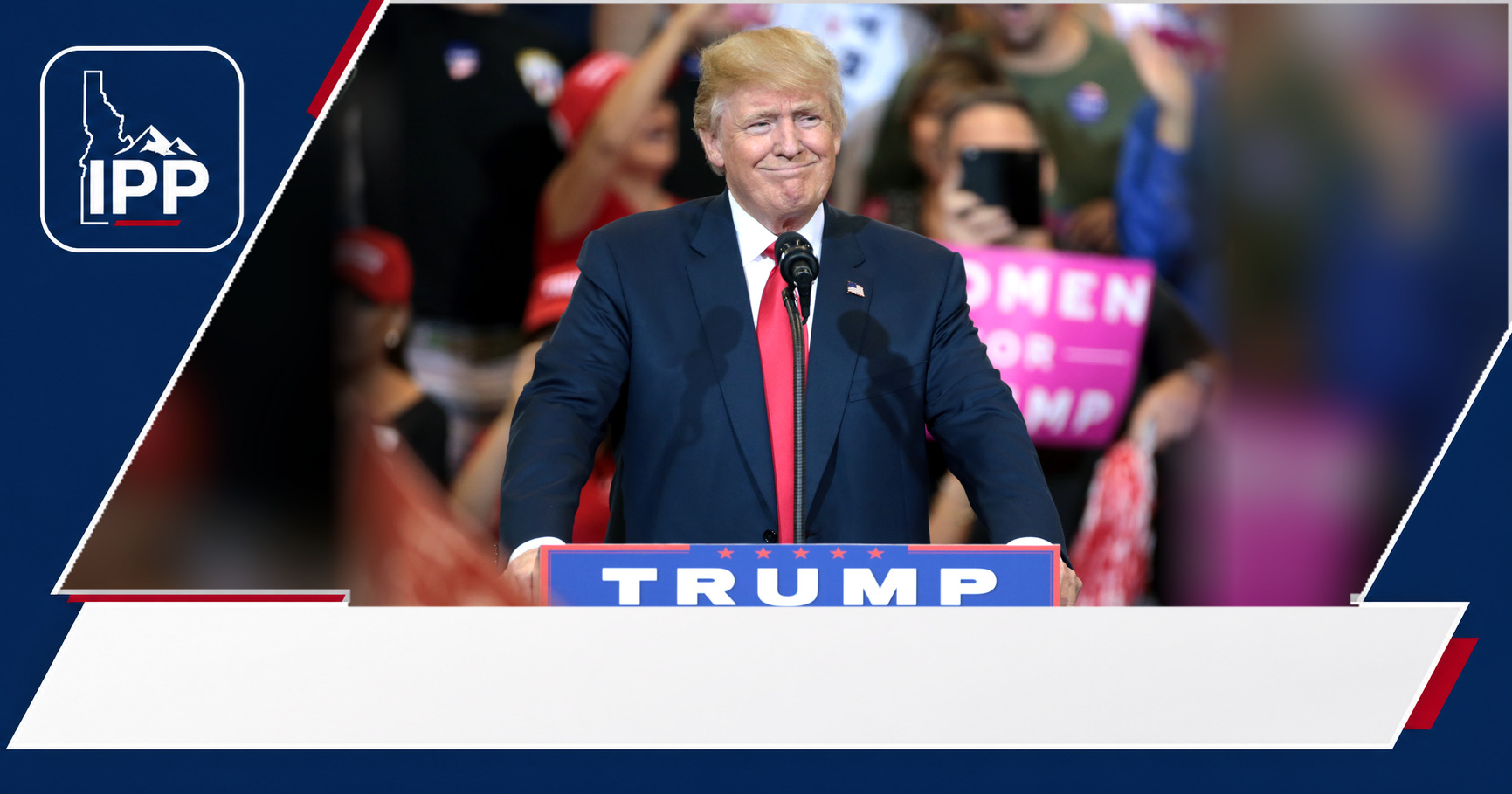
Trump says his “REAL Polling Numbers” are better than ever. Recent surveys and a sharp USA TODAY opinion piece point to a different political reality.
Donald Trump is disconnected from political reality, according to a new USA TODAY opinion column arguing that Trump’s polls plunge while he insists the opposite is true. Trump’s poll numbers are declining, his approval ratings are worsening, and Trump is dismissing the poll results with social media claims that his “REAL Polling Numbers” are the best they have ever been.
The clash matters because Trump’s public posture is not just spin. It is a governing signal: when a president rejects unfavorable surveys as fake, voters, allies and opponents are left to decide whether he is campaigning against bad numbers or insulating himself from them.
The claim that set it off
The immediate spark was Trump’s Aug. 3 post on Truth Social, cited by USA TODAY columnist Rex Huppke, in which Trump wrote that his “REAL Polling Numbers, not those made up by the Fake News Media, are the best they have ever been.”
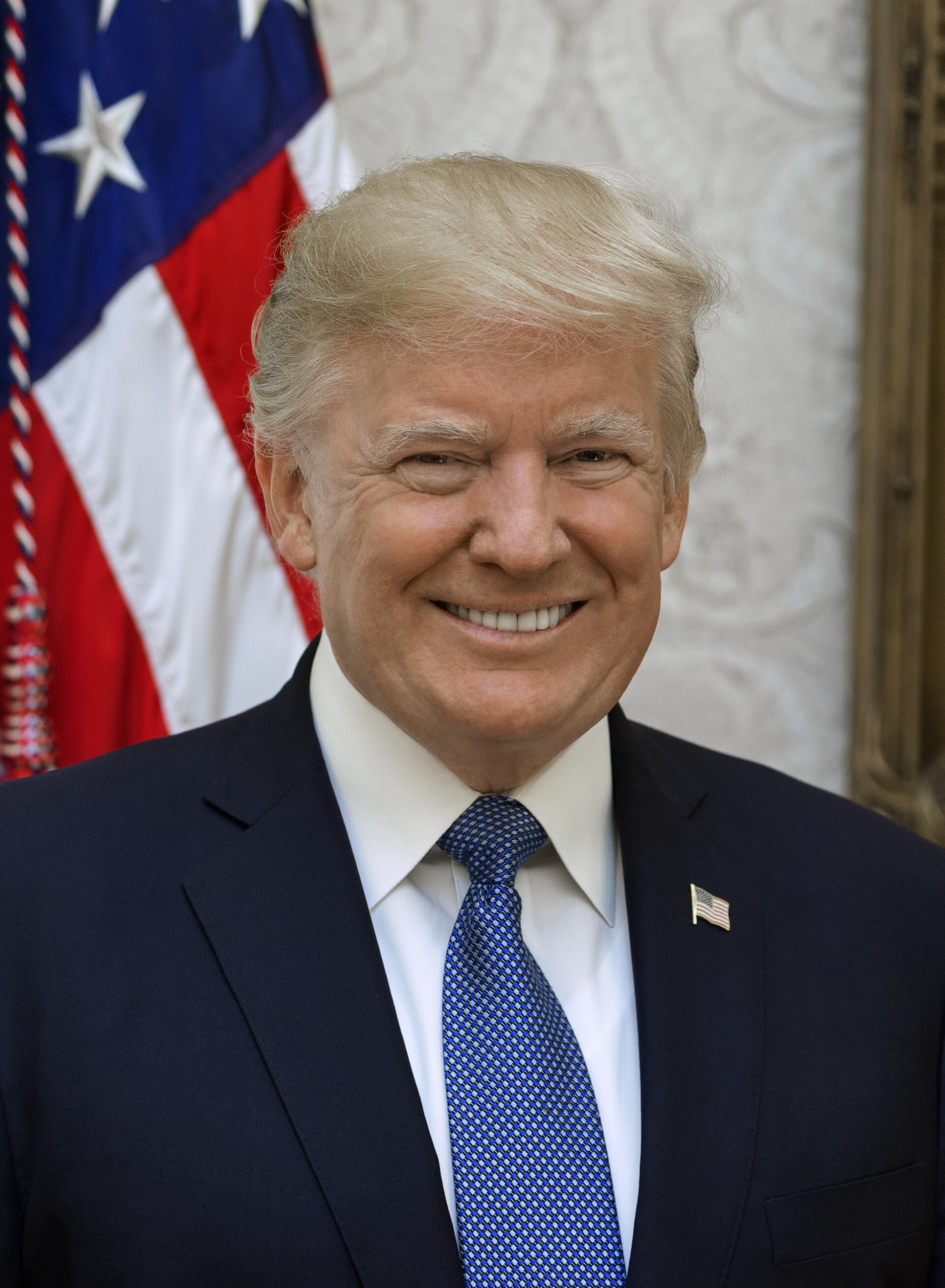
That line is familiar Trump territory. For years, he has treated favorable polls as proof of popular demand and unfavorable polls as evidence of media corruption, flawed methodology or political hostility. The difference now is the timing: the claim landed as recent reporting described his approval position as unusually weak for a second-term president.
Huppke’s column is an opinion piece, and it leans into satire. But the central factual tension is straightforward. Trump is saying his real numbers are excellent. Recent public polling, as summarized in the column through New York Times reporting, points in the opposite direction.
Why the polls sting
The sharpest data point in the USA TODAY column comes from The New York Times, which reported that the latest surveys indicate Trump is nearly the most unpopular second-term president at this stage of a term since modern polling began in the 1940s. The one exception named in that comparison was Richard Nixon, who at that point was days away from resigning during the Watergate scandal.
That comparison is politically brutal even without a single percentage attached. Presidents can survive mediocre approval ratings. They can govern through polarized numbers. But being placed near the bottom of the modern second-term record invites a different conversation about mandate, persuasion and the limits of loyal support.
Polls are not election results. They are snapshots, and individual surveys can vary based on samples, wording and timing. Trump’s defenders often argue that many pollsters underestimated him before, especially among harder-to-reach or less politically conventional voters.
That caveat is real. It also does not erase the broader trend described in the column: the available public picture is not matching Trump’s claim that his numbers are better than ever.
Denial as political strategy
Trump’s approach to polling has always served a purpose beyond ego management. It tells supporters which information to trust. It frames criticism as sabotage. It turns bad news into another front in the fight against institutions he has long cast as biased.
That strategy can be effective with a loyal base. If voters already distrust national media, a president’s insistence that unfavorable polls are invented may feel less like denial and more like confirmation of what they already believe.
But there is a governing risk. Polls, while imperfect, are one of the few regular signals presidents get about how their actions are landing beyond rallies, donors and inner-circle advisers. If every negative indicator is dismissed as fake, the White House can become a room where only applause gets treated as information.
That is the core of the USA TODAY argument: Trump is not merely disagreeing with one poll or objecting to one outlet. The opinion column portrays him as rejecting the broader public reality that recent surveys are showing.
The limits of the bubble
Huppke’s column points to more than poll numbers. It argues that Trump is shutting out facts about war, high food prices and Americans who are struggling. Those references matter because approval ratings are rarely about one thing. They are a catchall measure of how voters feel about leadership, personal finances, national direction and trust.
Presidents often try to define reality before reality defines them. They emphasize good economic indicators, spotlight friendly crowds and blame opponents for problems that remain unresolved. That is politics.
Trump’s version is more absolute. In his telling, the numbers that help him are real, and the numbers that hurt him are fake. The result is a public debate less about what the data show and more about whether data can be accepted at all.
That dynamic is especially consequential in a second term. A president no longer has the same need to face voters personally, but his party, agenda and successors still do. If public dissatisfaction is misread or waved away, the political costs can show up later in Congress, state races and the fight to define the post-Trump Republican Party.
What critics and supporters see
Critics see Trump’s Truth Social claim as a classic example of saying something false loudly enough that it becomes a loyalty test. To them, the issue is not simply that he dislikes bad polls. It is that he presents his preferred version as the only legitimate one.
Supporters may see something different. They may view the polling conversation as another media pile-on, especially if they believe Trump’s backing is deeper than national surveys capture. They may also argue that polls have been used selectively against him before, while favorable measures receive less attention.
Both views help explain why the argument keeps recurring. Polls are supposed to measure public opinion, but in Trump-era politics they also measure trust in institutions. A bad approval rating is one fight. Whether the rating is believed is another.
That second fight is where Trump has often been strongest. He does not need every voter to believe his numbers are great. He needs enough supporters to believe that no outside measurement can fairly judge him.
The question after the claim
The next issue is not whether Trump will suddenly embrace unfavorable polling. Nothing in his political history suggests that. The more important question is whether Republican officials, donors and voters treat weak approval numbers as a warning or as background noise.
If the polls continue to worsen, denial becomes harder to maintain outside the most loyal circles. Lawmakers watching their own races may become more sensitive to the gap between Trump’s claims and voters’ moods. Opponents will use the numbers to argue that his political grip is weaker than he says.
If the numbers stabilize or improve, Trump will likely claim vindication and point back to his own instincts. That is another reason this debate matters now: polling is not just measurement, it is raw material for political storytelling.
The USA TODAY column uses humor to make a blunt point, but the underlying conflict is serious. Trump says his real polling is the best it has ever been. Recent survey reporting says his approval is historically weak for a second-term president. Between those two claims sits the larger question of whether political reality still has enough shared ground to matter.






Leave a Reply