
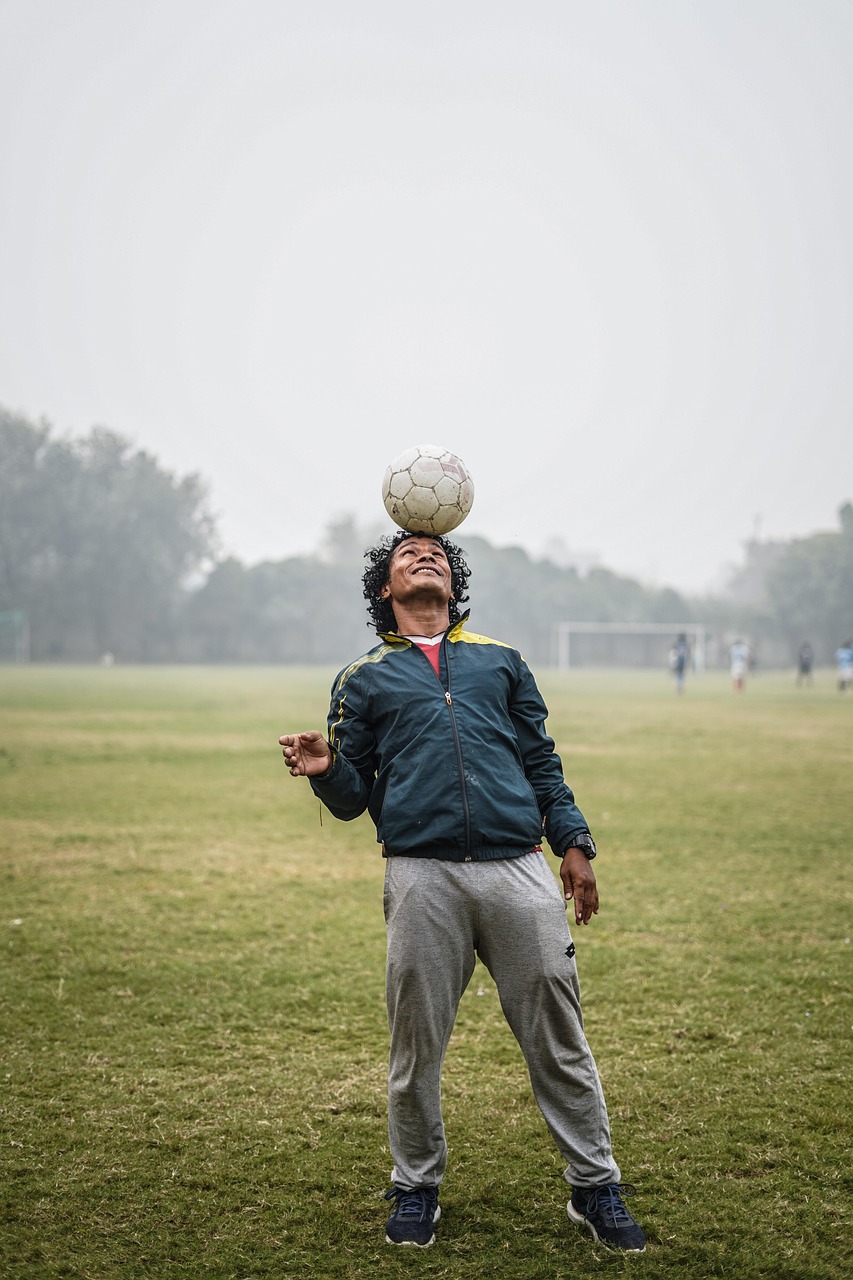
The celebration added a political-flavored viral moment to an already painful American exit. The bigger question is whether it was mockery, meme culture or both.
Belgium did not just knock the United States out of the World Cup. Its players also handed the internet a celebration it could argue about.
After a reported 4-1 round-of-16 win over the U.S., Belgium players celebrated with a dance associated with Donald Trump, according to a USA TODAY Sports report surfaced on MSN and social posts circulating after the match. The move turned a lopsided soccer result into a viral political-adjacent flashpoint.
A goal celebration stole oxygen
The core sporting fact was brutal enough for American fans: Belgium beat the United States by three goals in a knockout match. A Ground News aggregation snippet described it as a 4-1 Belgium victory in the World Cup round of 16.
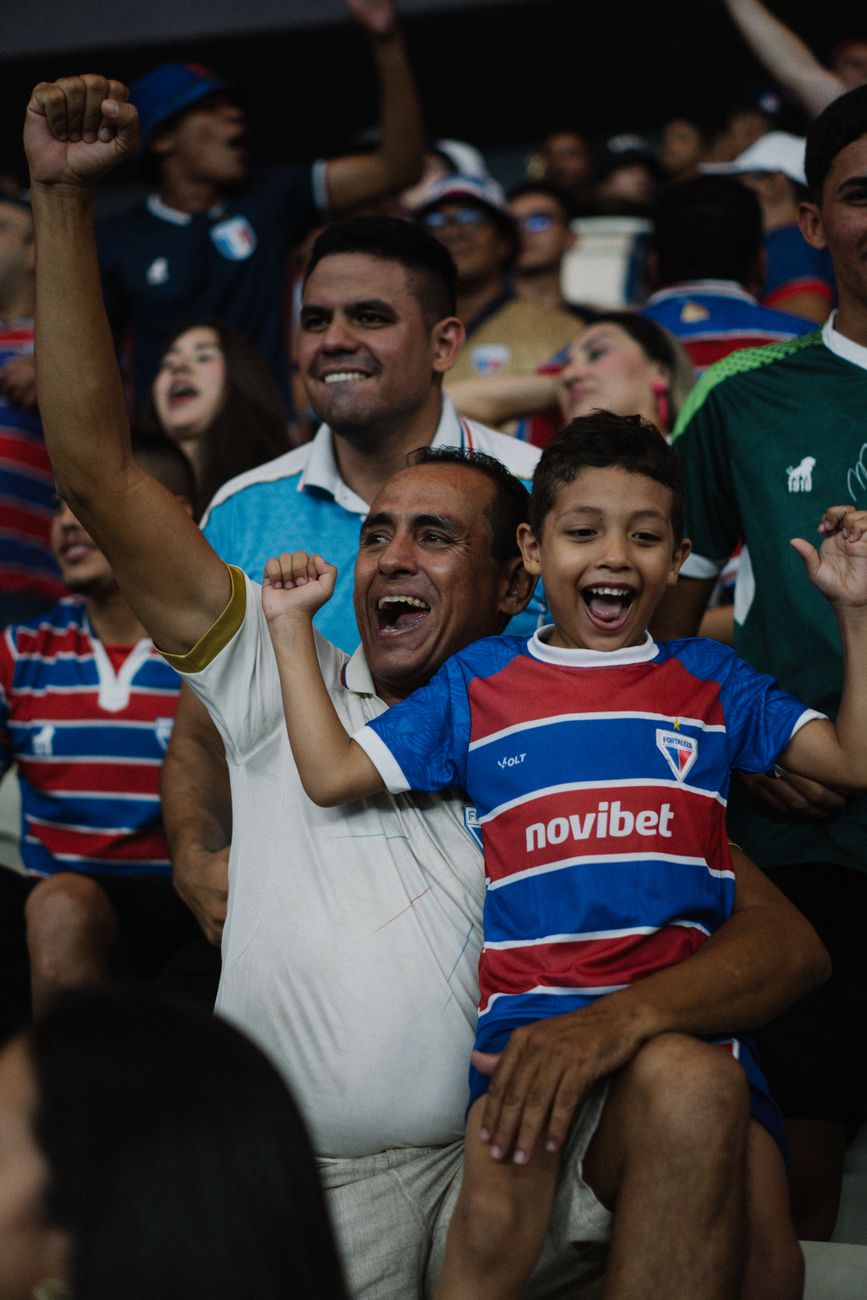
But the clip that traveled was not just a goal or a final whistle. A Reddit post in r/sports described Belgium’s national team as celebrating its fourth goal against the USA by doing “the Donald Trump dance.”
That detail matters because celebrations are never just choreography during a World Cup. They become shorthand. They get clipped, captioned and shipped across fan bases before anyone has time to ask whether the players meant it as a joke, a taunt or something more pointed.
Why this dance hit differently
The “Trump dance” is recognizable for its small, rhythmic arm movements, a style associated with Trump’s rally appearances and later copied across sports and social media. When athletes do it, viewers tend to project meaning onto it fast.
In this case, the opponent made the moment sharper. Belgium was playing the United States, and the celebration invoked one of the most polarizing American political figures of the past decade.
That does not automatically mean Belgium’s players were making a formal political statement. Viral sports gestures often begin as inside jokes or meme references. But against the U.S., after a fourth goal, the optics were impossible to separate from the scoreboard.
For American supporters, it read like a second punch: first the elimination, then a celebration built from American political imagery.
The intent is still unclear
There is an important caveat here: the available reporting and social posts identify the celebration, but they do not establish exactly what the Belgium players intended.
USA TODAY Sports’ MSN-surfaced headline characterized the moment as Belgium players capping the U.S. World Cup defeat with a Trump dance. The Reddit post described the celebration after Belgium’s fourth goal. Neither, based on the extracted source material, provides a direct explanation from the players.
That leaves room for multiple readings. It may have been mockery of the U.S. team. It may have been a meme borrowed from American sports culture. It may have been aimed at the crowd, the cameras or nobody in particular beyond the players themselves.
Without a player quote or team explanation, the safest conclusion is also the least satisfying one for the internet: the gesture was real, the symbolism was obvious, and the motivation remains unconfirmed.
A bad night for the U.S.
The celebration landed because the match already carried disappointment. A 4-1 knockout defeat is not a narrow exit. It is the kind of result that invites questions about game plan, discipline, substitutions and whether a team was truly ready for the pressure of a World Cup elimination match.
The Ground News snippet also referred to a “controversial red,” suggesting the U.S. defeat unfolded with a flashpoint beyond the final score. That kind of detail often becomes part of the postgame blame cycle, especially when a team exits a major tournament.
For U.S. fans, the Trump dance may become the image attached to a larger collapse. Highlight packages can show goals. Debates can focus on tactics. But a mocking-looking celebration is easier to remember than a defensive breakdown.
That is why these moments stick. They compress a messy match into one shareable image.
Sports memes now travel politically
Soccer celebrations have always borrowed from pop culture. Players copy dances from music videos, video games, teammates, family members and viral clips. The difference now is that almost every gesture arrives with a ready-made political interpretation.
The Trump dance sits directly in that gray area. Some people see it as an endorsement. Others see it as a joke. Others see it as trolling. In a stadium, it can be all of those things at once, depending on who is watching.
That is especially true when national teams are involved. Club soccer can be tribal, but international soccer adds flags, anthems and national identity. A celebration that might feel silly in a league match can feel loaded in a World Cup knockout game.
Belgium’s players may have thought they were being playful. The audience, especially in the U.S., was never going to process it only as play.
The clip may outlive the match
World Cup exits usually create two stories: the soccer story and the internet story. Belgium’s win over the United States now has both.
The soccer story is straightforward: Belgium advanced after a decisive victory, while the U.S. was left to absorb another painful tournament ending. The internet story is messier: a European team celebrated against the United States with a dance tied to Trump, and viewers immediately argued over what it meant.
Until Belgium’s players or staff explain the celebration, the debate will keep feeding itself. Fans who want to see it as a troll will have enough evidence. Fans who want to dismiss it as a meme will have enough evidence, too.
The clean takeaway is that Belgium did more than win. It created the kind of postgame image that follows a losing team home.





Leave a Reply