
The dispute is about more than a sign on a famous arts venue. Beatty’s request tests whether the Kennedy Center board can honor Trump on a building Congress designated as a memorial to John F. Kennedy.
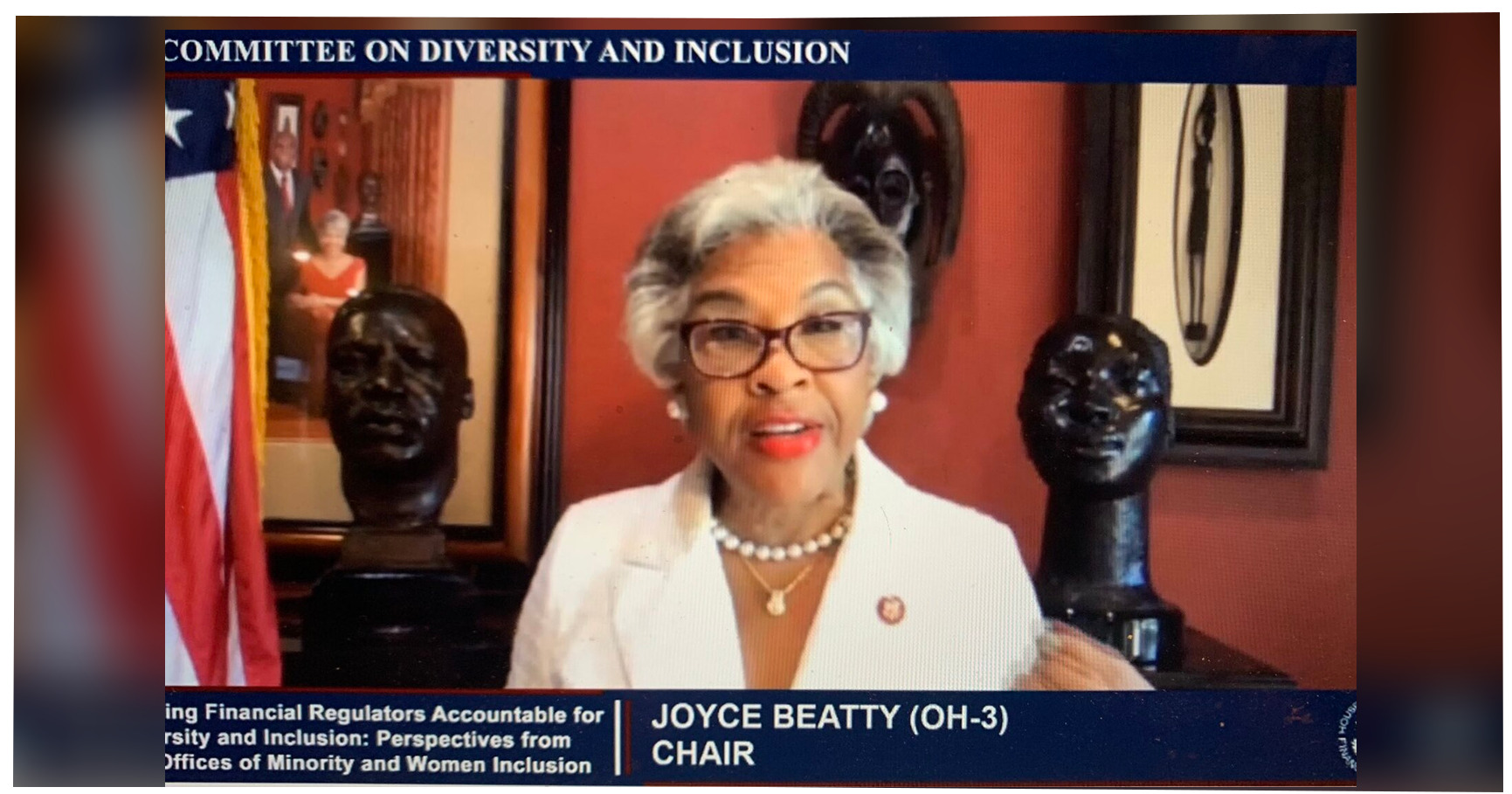
Rep. Joyce Beatty is seeking to block Donald Trump’s name from being added to the Kennedy Center in Washington, D.C. On August 20, 2026, the Ohio Democrat filed an emergency request asking a federal court to stop Trump’s name from being placed on the building again.
The House Democrat’s move puts the Kennedy Center’s Trump-aligned board back before a judge after the institution previously removed Trump’s name under a court order. The immediate question is whether the board can revive a proposed tribute while legal arguments over the landmark’s name and purpose are still unfolding.
Beatty seeks emergency court action
Beatty is an ex officio member of the Kennedy Center and has been a prominent opponent of efforts to attach Trump’s name to the performing arts complex. Her lawyers, Norm Eisen and Nathaniel Zelinsky, argued that the board’s latest plans would violate an earlier court order.
An emergency request does not settle the broader case. It asks the court to act quickly, usually to preserve the existing situation while judges consider the underlying legal claims.
For Beatty, that means preventing any new inscription before it is physically installed. The Kennedy Center has said it will not try to engrave Trump’s name on the building before September 8, giving the court and the parties time to argue the issue.
The proposed Trump inscription
Earlier in August, the Kennedy Center board voted to place Trump’s name on the facade. The planned wording would identify the venue as the John F. Kennedy Center for the Performing Arts “Restored and Renovated By President Donald J. Trump.”
The board also approved a possible second inscription tied to fundraising. If the Trump Kennedy Center Fund reaches $100 million, the building would carry language saying it was endowed by that fund.
The plans go beyond the facade. The plaza in front of the building would also be renamed to recognize Trump. That wider proposal is why the dispute has become a fight over commemoration, not simply credit for construction or fundraising.
A building with a specific legal identity
Congress designated the Kennedy Center as a living memorial to President John F. Kennedy in 1964, one year after Kennedy’s assassination. The institution is both a major national arts venue and a federally established memorial on the Potomac River.
That history matters because federal law places limits on the board of trustees. The statute says the center may not be made into a memorial to another person and prohibits another person’s name from being placed on the building’s exterior.
Beatty’s position rests heavily on that language. Her argument is not merely that the inscription would be politically divisive; it is that Congress already set the building’s legal purpose and placed boundaries around changing its public identity.
Supporters of the board’s action have framed Trump differently: as a figure deserving recognition for fundraising, development and renovations. A resolution approved by Trump allies on the board said the center would face financial ruin without Trump’s stature as a fundraiser and developer.
The earlier removal shapes the case
U.S. District Judge Christopher Cooper ruled in May that the Kennedy Center had illegally added Trump’s name to the building and ordered it removed, according to the Associated Press. The institution complied in June.
But the physical dispute did not entirely disappear. A tarp and scaffolding remained where the name had been, and the Kennedy Center’s lawyers did not commit to removing the structure. They said it was needed for water testing and structural repairs to the roof overhang.
That remaining scaffolding has added to the tension around the emergency request. Beatty’s side sees a concrete possibility that the name could return; the institution has said it will not undertake engraving before September 8.
The court will have to distinguish between permissible maintenance work and steps that would effectively reinstate an inscription a judge previously required the center to remove.
Why the fight reaches beyond signage
Presidential names are common on federal buildings, libraries, airports and other public projects. The Kennedy Center is unusual because Congress expressly linked it to one president and wrote limits into law regarding additional memorialization.
The case also highlights the influence of the Kennedy Center board. Its members oversee a nationally important cultural institution, yet the board’s authority is constrained by the congressional statute that created and governs the center.
Critics of the Trump recognition effort can point to the statutory ban and the previous ruling. Backers can argue that acknowledging a president’s role in financing or improving a public institution is distinct from replacing its historic name. The legal issue is whether that distinction holds when the recognition appears on the exterior of a building dedicated to Kennedy.
What happens before September 8
The next major milestone is the court’s response to Beatty’s emergency filing. A judge could temporarily block any work related to the inscription, decline immediate relief, or set a schedule for further arguments without deciding the merits right away.
The Kennedy Center had not immediately responded to a request for comment reported by the AP. That leaves several practical details unresolved, including how the board would proceed if the court allows the plan to move forward and whether the plaza renaming faces separate legal obstacles.
For now, the center remains the John F. Kennedy Center for the Performing Arts. Beatty’s filing seeks to ensure that stays true while the court determines whether the board’s proposed Trump recognition conflicts with federal law and its earlier order.




Leave a Reply