
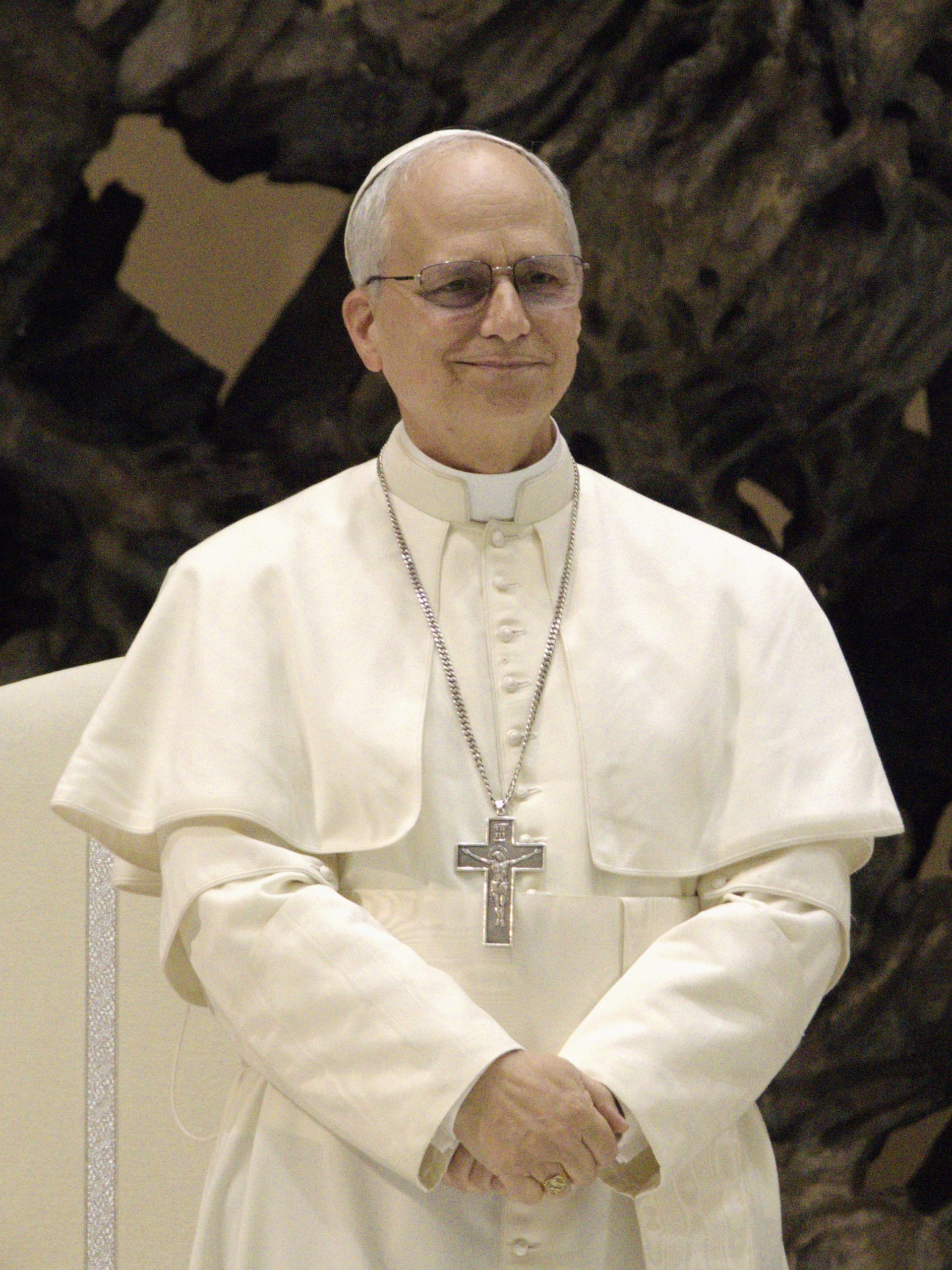
The first U.S.-born pope did not need to name Donald Trump to make his message clear. On a milestone Fourth of July, immigration became the fault line between two visions of America.
Pope Leo chose America’s 250th birthday to talk about who belongs.
That alone made the message political, even before anyone attached Donald Trump’s name to it. The first U.S.-born pope praised the United States’ history of welcoming immigrants and urged Americans to live up to the ideals of the Declaration of Independence, according to Reuters. Coming as Trump celebrates a nationalism built around America First, the contrast was hard to miss.
A birthday message with bite
The Vatican message landed in the middle of a symbolic week. The United States is marking 250 years since the Declaration of Independence, while Trump is leaning into a show of patriotic power and personal political dominance.
Pope Leo’s emphasis was different. Rather than dwell on military strength, economic might or partisan victory, he pointed to the American promise that human dignity is not reserved for the native-born or politically favored.
Reuters reported that Leo praised the U.S. tradition of welcoming immigrants and called on Americans to uphold the ideals of the Declaration. That is a familiar moral vocabulary for popes, but the timing gave it sharper edges.
It was not a campaign speech. It was also not neutral background music for the holiday.
Why immigration was the point
Immigration is not a side issue in this moment. It is one of the defining arguments in American politics, and Trump has made it central to his return to power and his governing identity.
The Washington Post reported ahead of the holiday that Leo planned to offer a counterpoint to Trump’s America by focusing on migrants. The report noted a split-screen moment: Trump celebrating Independence Day at home while the pope’s attention turned toward Lampedusa, the Italian island that has become a gateway — and often a grave marker — for migrants trying to reach Europe.
That setting matters. Lampedusa is not an abstract policy stage. It is a place associated with desperate crossings, overloaded boats, humanitarian rescue efforts and years of political fights over borders.
By linking America’s anniversary to migrants, Leo was placing the Fourth of July inside a larger question: Can a country celebrate freedom while hardening itself against people seeking safety or a new life?
He did not name Trump
The pope’s message is being read as a jab at Trump because of the obvious contrast, not because Leo reportedly launched a direct personal attack.
That distinction matters. Popes often speak in moral principles rather than partisan callouts. They rarely need to say a politician’s name for the target audience to understand the pressure point.
In this case, the pressure point is the meaning of American greatness. Trump’s political brand has long treated strength, sovereignty and border control as proof that the country is being restored. Leo’s anniversary message suggested a different test: whether the nation still honors its founding language about equality and rights.
For supporters of Trump, that may sound like church leaders stepping into politics. For critics of Trump, it may sound like the pope saying plainly what many religious and civic leaders have avoided. The power of the statement comes from its refusal to behave like a cable-news argument.
The American pope factor
Leo’s background gives this message unusual weight. As the first U.S.-born pope, he is not speaking about America only as an outside observer. He is speaking to a country that helped form him.
That complicates the usual conservative complaint that the Vatican does not understand American politics. Leo understands the symbolism of the Fourth of July. He understands the emotional force of the Declaration. He also understands how religious language can be used in the United States to sanctify a political agenda.
That is why the message cuts deeper than a generic appeal to kindness. The pope is not rejecting patriotism. He is contesting its definition.
His argument, as reflected in the Reuters account, is that the American story is inseparable from welcoming immigrants and defending founding ideals. That does not settle every policy question. It does challenge the idea that suspicion of outsiders can be dressed up as the highest form of national loyalty.
A clash over patriotism
The holiday timing turned the message into a test of competing rituals.
Trump’s Independence Day posture is built for spectacle: flags, crowds, strength, grievance and the promise that the country is being reclaimed. Leo’s posture is quieter, but it reaches for older American language — liberty, equality, human dignity and the moral obligations that come with national power.
Those two styles are not merely different. They point in opposite directions.
- Trump’s version centers national control, border enforcement and the protection of a defined political community.
- Leo’s version emphasizes the country’s immigrant inheritance and the universal claims embedded in the Declaration.
- The fight underneath is whether America’s founding ideals are a closed inheritance or a living promise.
That is why a papal anniversary message can become a political flashpoint. It touches the story Americans tell about themselves, especially on the one day set aside for national self-celebration.
What happens after the holiday
The immediate reaction will likely break along predictable lines. Trump allies may frame the pope’s remarks as globalist, naive or improperly political. Catholic critics of Trump may see them as a necessary moral rebuke. Many Americans may simply hear a reminder that immigration is not only a legal issue, but a human one.
What remains unclear is how far Leo intends to push this theme in relation to U.S. politics. A single anniversary message is symbolic. A sustained focus on migrants, democracy and dignity would make the first American pope a recurring moral counterweight to nationalist politics on both sides of the Atlantic.
For now, the point is the timing. On the 250th birthday of the United States, Leo did not offer easy flattery. He held up a mirror and asked whether the country still recognizes itself in its founding promises.
That is why the message is resonating. It was quiet enough to sound pastoral, but pointed enough to be heard in Washington.


Leave a Reply