
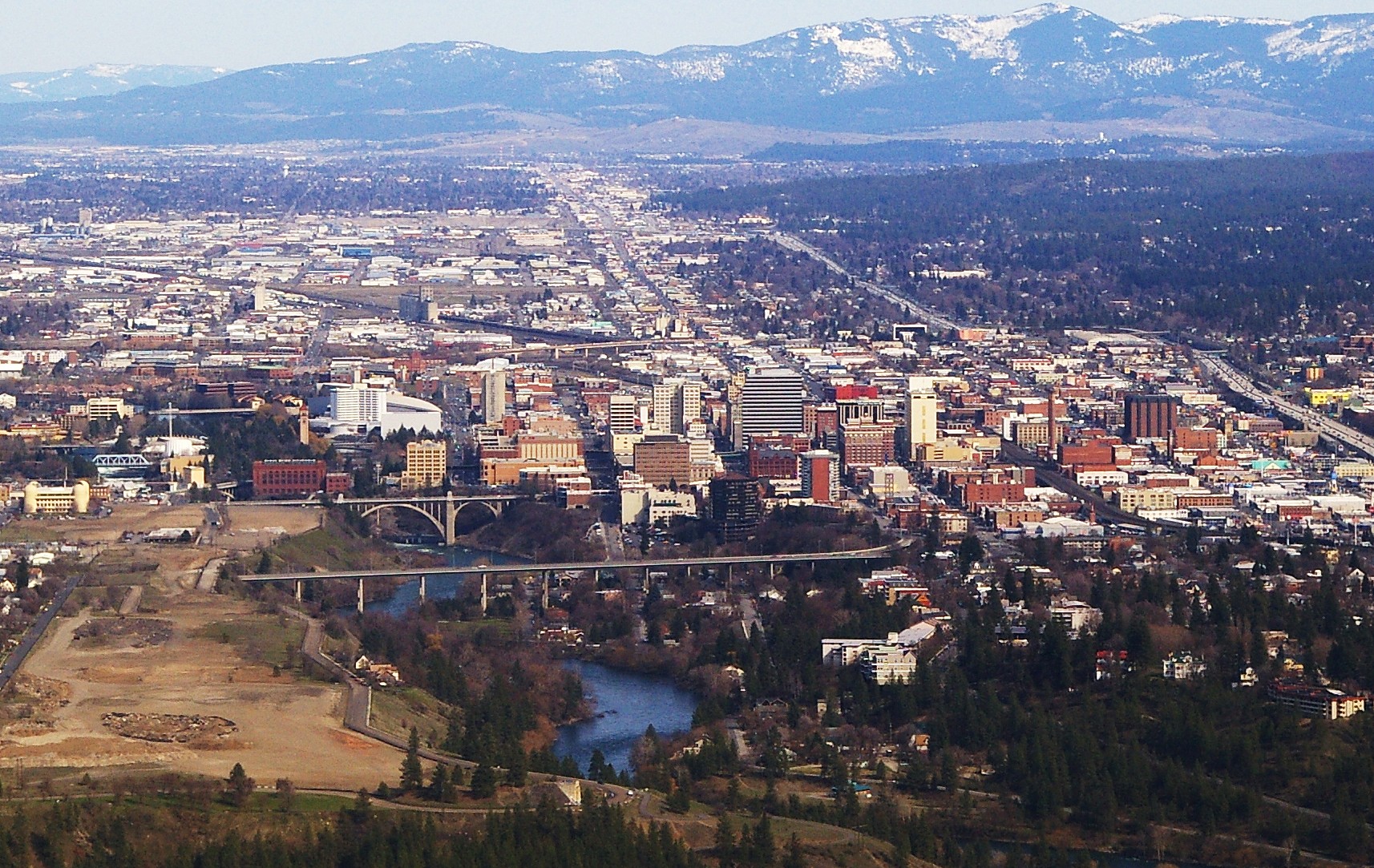
The case puts a criminal allegation at the center of a fast-moving fire disaster near Spokane. Evacuations, destroyed homes and dangerous weather are still shaping the emergency response.
A man in Washington state was charged with starting a wildfire. Authorities say Aaron Farinacci, 37, of Spokane, faces first-degree arson in the Old Trails fire, the largest of three major blazes burning around Spokane County. The fire was the largest in the area and has burned nearly 4,000 acres, destroying homes and forcing tens of thousands to evacuate.
The charge, announced Monday by local authorities, does not end the emergency. Fire crews were still working by land and air as residents returned to some neighborhoods to find homes, vehicles and outbuildings reduced to ash.
Arson charge in Spokane County
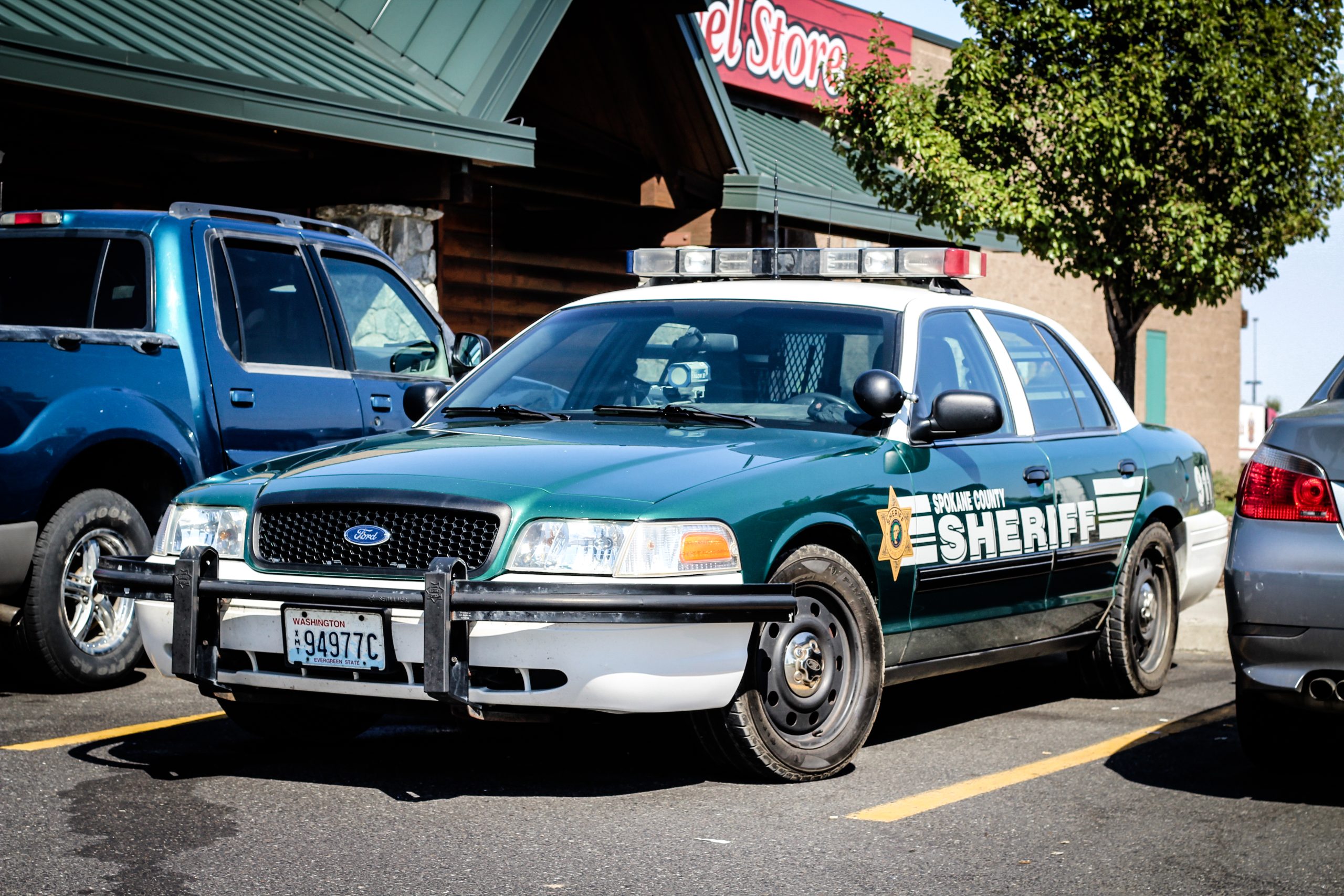
Farinacci was arrested and charged with first-degree arson in connection with the Old Trails fire, according to authorities cited in reports from The Guardian and the Associated Press. Spokane County Sheriff John Nowels said at a Monday night news conference that Farinacci was apprehended quickly after witnesses reported seeing suspicious behavior near where the blaze began.
Authorities said Farinacci was found with waterproof matches and a butane lighter. Witnesses reportedly identified him as a person seen kneeling in grass close to the fire’s apparent starting point over the weekend.
Nowels credited residents who were watching their surroundings and willing to alert authorities. He described the arrest as the result of fast work by citizens and investigators.
Farinacci was expected to make an initial court appearance Tuesday, according to the sheriff. The charge is an allegation, and the case will have to move through court before any determination of guilt.
The fire’s footprint is severe
The Old Trails fire started Saturday northwest of downtown Spokane and later jumped the Spokane River, pushing flames into neighborhoods where some residents were allowed back Monday. The damage described by residents was stark: blackened vehicles, heat-warped boats, melted recycling bins and homes that could not be saved.
The fire is the largest of three destructive Spokane-area fires now drawing emergency resources. Together, the Old Trails, Autumn Lane and Fairview fires had burned about 16 square miles by early Tuesday, according to the reporting.
More than 67,000 people were told to evacuate because of the three fires. Some evacuation orders were downgraded late Monday, but that did not mean the danger had passed for everyone.
No deaths or major injuries had been reported. A Spokane sheriff’s office spokesperson said 14 people were unaccounted for Monday, though officials believed they were likely evacuees who had not checked in rather than people known to be in immediate danger.
Witness tips shaped the case
The criminal case appears to hinge, at least publicly, on what witnesses told investigators and what deputies say they found when they contacted Farinacci. In fast-moving wildfire investigations, early accounts can matter because burn areas change quickly as wind, crews and suppression work alter the scene.
Authorities also disclosed that Farinacci had past contact with law enforcement in fire-related investigations. Spokane police reportedly responded to several fires near his apartment in July 2025. The Washington State Patrol later contacted him while pursuing a suspect in a wildfire at Riverside State Park.
Those prior contacts do not prove responsibility for the Old Trails fire. They do show why investigators may now face close scrutiny over what evidence connects this suspect to this ignition point, and what remains circumstantial.
Officials also discussed Farinacci’s prior manslaughter conviction in Arizona. That history is part of the public record described by authorities and news reports, but it is separate from the current arson charge in Washington.
Weather is worsening the emergency
The fire’s spread is not just a criminal-justice story. Washington is dealing with extreme heat, drought conditions and a broader wildfire outbreak across the state.
At least 15 wildfires were burning elsewhere in Washington, covering at least 390 square miles, according to the reported figures. State officials described the season as extraordinary for the Pacific Northwest.
The National Weather Service office in Spokane warned Tuesday that smoke would continue to keep air quality unhealthy across the region. It also cautioned that dry conditions and breezy winds could bring elevated fire weather later in the week, especially Friday and Saturday in parts of central Washington.
That forecast matters for residents already displaced. Even where flames have moved through, hot spots, smoke and shifting winds can keep neighborhoods closed and complicate efforts to assess damage.
Firefighters and officials scale up
More than 1,000 firefighters, many from outside Washington, had arrived by Monday to help battle the Spokane-area fires. Authorities expected that number to double in the coming days.
Crews were attacking the fires from the ground and the air. Nowels warned members of the public not to fly drones near the fires because drones can interfere with aerial firefighting operations and force aircraft to pause.
Washington Gov. Bob Ferguson issued an emergency declaration and said he had spoken with the White House. The state’s entire congressional delegation also asked President Donald Trump to approve an expedited emergency declaration.
In their letter, lawmakers said hundreds of people had lost homes and farms, and many others remained barred from returning while crews worked through smoldering areas. For displaced families, the next step is not only containment; it is finding out whether anything remains to return to.
What remains unanswered
The biggest legal question is what prosecutors can prove. Investigators have described witness identifications and items allegedly found with Farinacci, but the full probable-cause record and any defense response will matter as the case proceeds.
It is also not yet clear how many structures were destroyed in each of the three Spokane-area fires, how long evacuation restrictions will last, or whether worsening weather will force new evacuations.
The case is likely to draw attention because the alleged ignition point is tied to a disaster that has already displaced thousands. But the public safety story is larger than one defendant: dry landscapes, wind, smoke and stretched firefighting resources continue to define the risk across Washington.
For residents near Spokane, the immediate takeaway is sober. An arrest may explain one suspected cause, but it does not restore burned homes, clear the smoke or remove the danger crews are still fighting.








Leave a Reply