
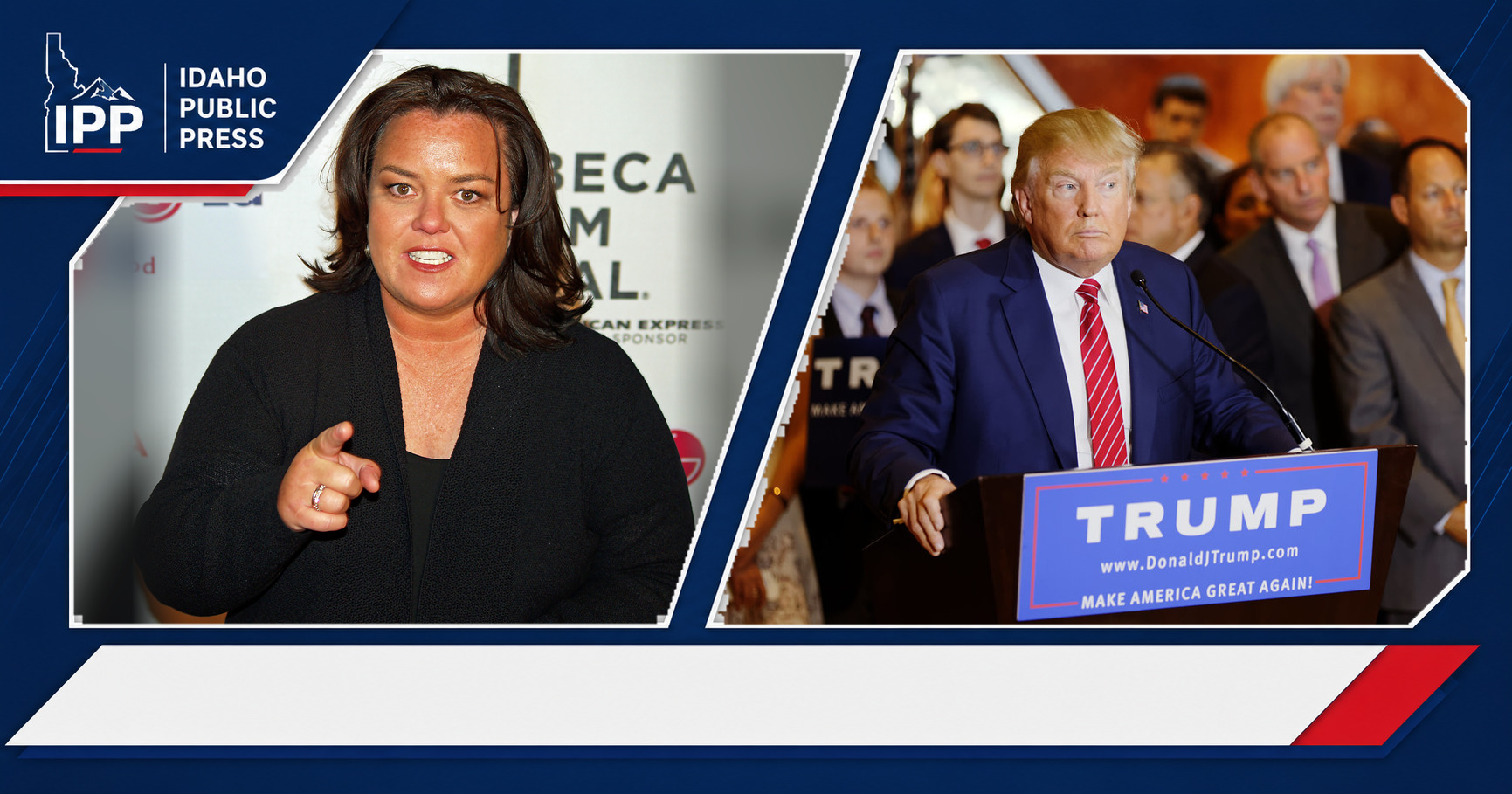
The remarks landed because they mix a decades-old personal feud with a real public question: how much voters are told about a president’s health. The White House has maintained Trump is healthy.
Rosie O’Donnell said Donald Trump is very physically ill during an On With Kara Swisher podcast interview, adding that “everyone around him knows” about his condition. Her damning take on Trump’s health matters now because it folds a personal feud into a broader public argument over presidential fitness and transparency.
O’Donnell’s comments, reported by HuffPost, were not a medical diagnosis. They were a harsh political assessment from one of Trump’s longest-running celebrity critics, aimed at both his public appearances and the White House’s handling of questions about his health.
What O’Donnell said
The exchange came after Kara Swisher argued that Trump’s standing had been hurt by the war in Iran and his handling of the economy. Swisher said people appeared tired of his act.
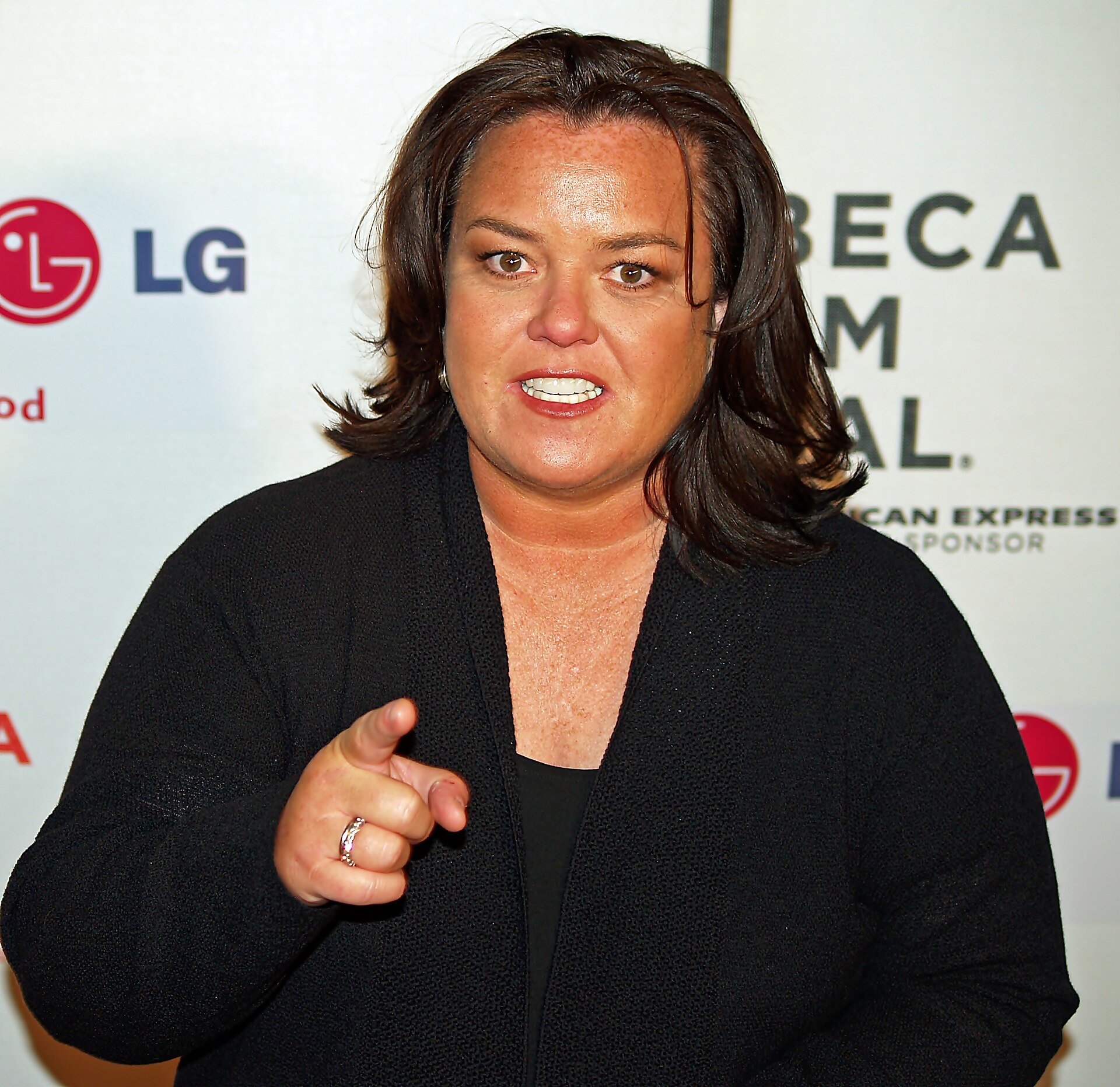
O’Donnell pushed the criticism further. “And the fact that he’s falling asleep, that he’s very physically ill, that he doesn’t look like he’s long for this earth, that he shouldn’t be the man in control of the nuclear code,” she said, according to HuffPost’s account of the interview. “Like, these are things that everyone around him knows.”
That quote is doing two things at once. It attacks Trump’s fitness for office in the blunt language of cable-era political combat, and it suggests — without presenting direct evidence — that people close to him privately recognize a problem.
That distinction matters. O’Donnell is entitled to her opinion, but her claim that Trump is “very physically ill” has not been substantiated by public medical evidence in the reporting cited. The White House has insisted the president is healthy.
Where opinion meets evidence
Presidential health is always a public issue, but it is also one of the easiest subjects to distort. Voters can see photos, video clips and public appearances. They usually cannot see the underlying medical records, full physician notes or internal discussions about a president’s condition.
HuffPost noted that Trump has appeared to struggle to stay awake during some public events. It also emphasized that there is no evidence proving O’Donnell’s assertion that he is “very physically ill.”
That leaves a familiar gray zone in American politics: visible moments that become viral evidence for critics, official statements that ask the public to accept reassurance, and a partisan media environment ready to turn any stumble, pause or bruise into a verdict.
For readers, the useful line is simple: O’Donnell made a severe claim; the public record supports questions about transparency and age-related scrutiny, not a verified medical conclusion that Trump is seriously ill.
The White House health record
The current debate is not happening in a vacuum. According to HuffPost, Trump saw 22 doctors and specialists in May during what was described as his third “annual” physical in 13 months, a detail that fueled questions about why so many medical visits were needed.
Trump has also taken multiple cognitive tests and has publicly bragged about passing them. Those tests have become part of his political messaging, especially as age and acuity remain issues for voters evaluating presidents and presidential candidates.
HuffPost also reported that Trump has experienced swollen ankles tied to chronic venous insufficiency and has often been seen with bruising on his hands, attributed to aspirin use and frequent handshaking. Those are specific reported conditions and explanations, not proof of the broader illness O’Donnell alleged.
The White House’s position is that Trump is healthy. Critics argue the administration has not been forthcoming enough about details. That gap between reassurance and disclosure is where suspicion tends to grow.
A feud built for escalation
O’Donnell’s comments carry extra voltage because she and Trump have been publicly clashing for decades. Their feud predates Trump’s presidency and has repeatedly spilled into television, social media and campaign-era politics.
That history cuts both ways. To her supporters, O’Donnell is saying plainly what others in politics soften or avoid. To her critics, the long feud makes her comments look less like sober concern and more like another round in a personal battle.
Trump has continued to attack O’Donnell, including in a recent AI-powered social media post described by HuffPost. O’Donnell, meanwhile, moved to Ireland after Trump won the 2024 election, saying it was a matter of self-preservation.
After O’Donnell applied for Irish citizenship, Trump threatened to take away her U.S. citizenship. HuffPost noted, citing PolitiFact, that he does not have that power because O’Donnell was born in the United States.
Why the reaction is bigger
The reason this story travels is not only the celebrity feud. It taps into a bigger question that has shadowed recent presidents: how much should the public know about the health of the person who controls the executive branch, the military chain of command and nuclear decision-making?
O’Donnell’s nuclear-code line was meant to raise the stakes. It also shows why rhetoric around presidential health can become explosive. A president’s condition is not a private matter in the same way an entertainer’s or business leader’s health might be, but public concern still needs evidence.
There are fair competing views here. One side argues that repeated public questions, multiple exams and visible physical signs justify aggressive scrutiny. The other says opponents are using fragments of video and hostile commentary to make medical claims they cannot prove.
Both can be true in part. The public can demand fuller health disclosures while also treating armchair diagnoses with caution.
What remains unclear
The open question is whether the White House will release more detailed information that addresses the concerns driving stories like this one. Basic assurances may satisfy allies, but they rarely quiet critics once a narrative about secrecy takes hold.
It is also unclear whether O’Donnell’s remarks will have any impact beyond the latest news cycle. Her comments are sharp, quotable and built for social platforms, but they do not establish new medical facts about Trump.
What they do show is how quickly presidential health can become a proxy fight over trust. For Trump’s opponents, the issue is transparency and fitness. For his defenders, it is another example of a longtime enemy turning speculation into attack.
The clean takeaway: O’Donnell delivered a harsh assessment of Trump’s condition on Swisher’s podcast, including the claim that “everyone around him knows.” The verified public record is narrower: questions about disclosure persist, the White House says Trump is healthy, and the evidence available so far does not prove O’Donnell’s most severe claim.






Leave a Reply