
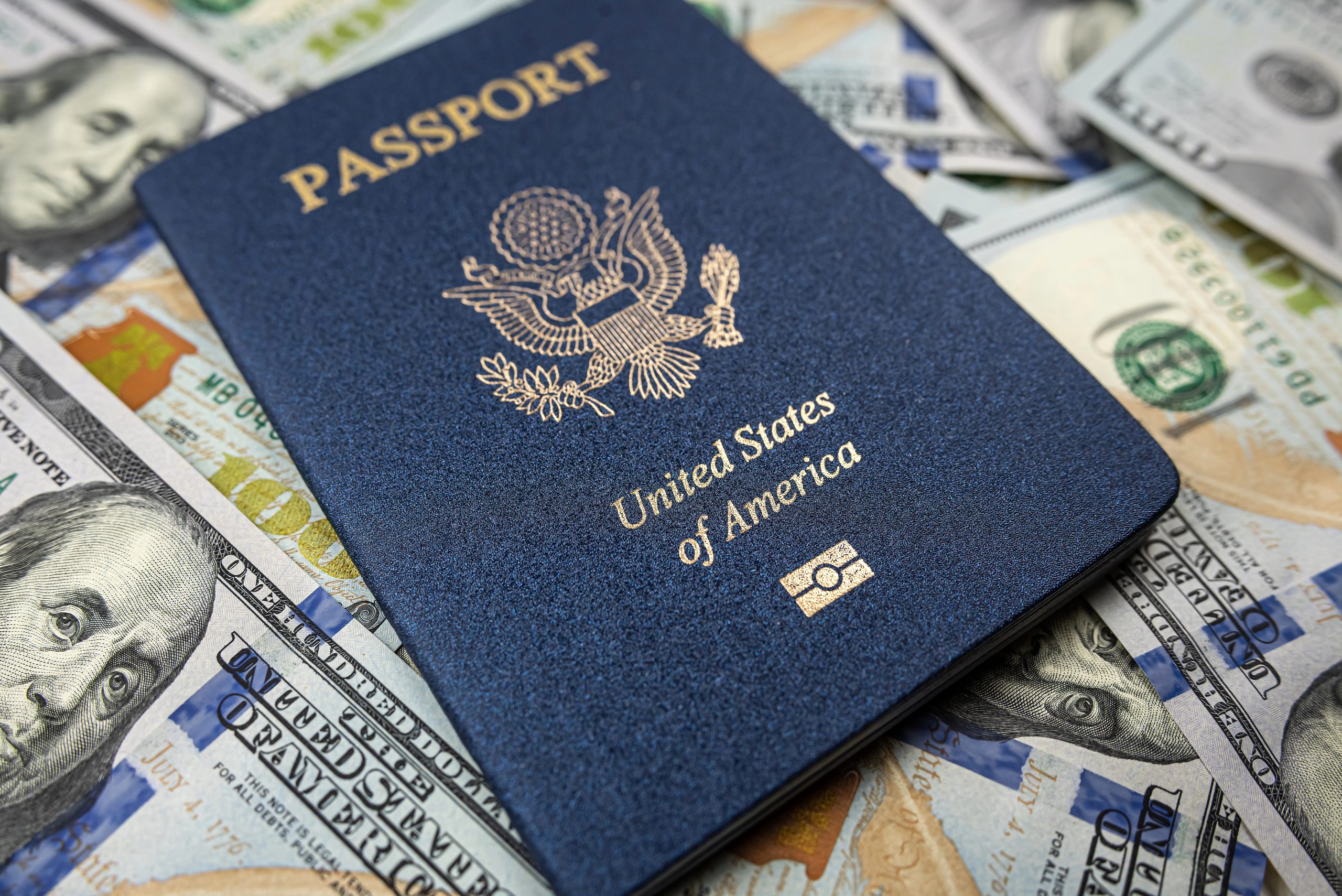
The slide does not mean Americans suddenly lost broad travel access. It shows how other governments are using visa deals and reciprocity to gain ground faster.
The U.S. passport has fallen to its lowest ranking in a decade, dropping to 10th place in the Henley Passport Index released Tuesday, its weakest position since 2016. The index ranks 199 passports across 227 travel destinations by visa-free travel access, and 36 nations now sit ahead of the United States. For American travelers, the decline is a warning about American passport power: other countries are expanding mobility faster, while the U.S. offers visa-free access to fewer destinations than leading passports.
As one immigration attorney put it, “The direction is a warning.” The sharper point is not that the American passport has become weak. It is that the advantage Americans long took for granted is narrowing.
A slide, not a collapse
The Henley Passport Index measures how many destinations a passport holder can enter without getting a visa in advance. By that yardstick, the United States remains near the top of the global table. A 10th-place ranking is still elite by world standards.
But rankings are relative. The U.S. was fourth in 2016, according to the index cited by Newsweek. It is now tied with Iceland at 10th, behind a widening group of Asian, European and other high-mobility passports.
Singapore ranks first. Japan, South Korea and the United Arab Emirates are tied for second. Sweden is third, while a large cluster of European countries occupies fourth and fifth. Australia, Canada, New Zealand, the United Kingdom and several others also rank ahead of the United States.
That is why the drop matters. For decades, a U.S. passport was shorthand for unusually easy movement around the world. It still opens many doors, but it no longer opens more doors than almost everyone else’s.
Why reciprocity matters
The ranking is partly about diplomacy, but it is also about reciprocity: whether countries grant one another’s citizens similar travel privileges.
Richard T. Herman, a U.S. immigration attorney and founder of the Herman Legal Group, told Newsweek that the American passport remains among the strongest in the world. His warning was about direction, not immediate weakness. He said American power still opens doors, but no longer more doors than everyone else’s.
Herman pointed to a gap between what Americans receive abroad and what the United States offers foreign visitors. Americans can travel to around 180 destinations without obtaining a visa in advance, according to the latest index cited in the report. The U.S. Visa Waiver Program, by contrast, allows visa-free entry for citizens of 42 participating countries.
That imbalance does not single-handedly determine the ranking. But it helps explain why other countries may be more willing to strike broad visa-waiver arrangements with one another than with Washington.
Security policy has tradeoffs
The U.S. government frames travel access through a security lens as well as a convenience lens. A State Department spokesperson told Newsweek that Americans enjoy visa-free or visa-on-arrival access to hundreds of destinations, reflecting close partnerships around the world.
The spokesperson said the department remains focused on secure, efficient and reciprocal travel for Americans and foreign nationals. The White House referred Newsweek to the State Department when asked for comment.
That position highlights the central tradeoff. Tougher screening and stricter entry rules can be politically durable at home, especially in a country where immigration and border policy are heavily contested. But those rules can make reciprocity harder.
Usha Haley, the W. Frank Barton Distinguished Chair in International Business at Wichita State University, told Newsweek that security concerns, immigration politics and the demanding requirements of the Visa Waiver Program limit Washington’s ability to offer reciprocal access.
Rivals are opening more doors
The U.S. decline is less about Americans being shut out and more about others racing ahead. Countries with top-ranked passports have been turning diplomatic and commercial relationships into wider travel privileges.
Tom Topol, a travel documents and travel history expert, told Newsweek that Singapore, Japan and several European nations have continued to negotiate broad visa-waiver deals while the U.S. has maintained strict, security-focused policies at home.
China’s recent visa concessions for citizens of several European countries are one example cited by experts. Those moves can lift European passports in global mobility rankings while U.S. passport holders still need visas to enter China.
Brazil offers the opposite kind of signal. Its decision to reinstate visa requirements for U.S. citizens has been tied by experts to reciprocity concerns. When access is not mutual, some countries eventually adjust their rules.
What travelers should know
For most Americans planning a vacation or business trip, the practical takeaway is not panic. The U.S. passport still provides broad access, and many popular destinations remain available without a traditional advance visa.
Still, travelers should not assume that “visa-free” means no paperwork. More countries are adding electronic travel authorizations, arrival forms, fees or pre-screening systems even when they do not require a full visa. Passport power rankings usually capture visa-free or visa-on-arrival access, but they do not always reflect every friction point a traveler may face.
Before booking, Americans should check the entry rules for each destination, including transit stops. Requirements can vary by purpose of travel, length of stay and passport validity. A passport that expires within six months may cause problems even in countries that otherwise allow visa-free entry.
The ranking also says nothing about processing times for getting or renewing a U.S. passport. It measures international access, not domestic passport service.
The soft-power signal
Passport rankings can look like travel trivia, but governments watch them because they reflect relationships. A strong passport is a pocket-sized sign of trust: other countries are willing to admit its holder with minimal advance screening.
Haley told Newsweek the U.S. decline has unfolded across both Republican and Democratic administrations, making it more structural than the result of one president. That matters because it suggests the slide is not likely to reverse through a single policy announcement.
The bigger question is whether Washington wants to compete more aggressively on mobility. Doing so could mean expanding reciprocal travel arrangements, modernizing screening systems or negotiating new visa-waiver understandings with countries that meet U.S. security standards.
The counterargument is straightforward: the U.S. should not loosen entry access simply to climb an index. Security, overstay rates and immigration enforcement are legitimate policy concerns. The tension is that other wealthy nations are also managing those risks while expanding mobility for their citizens.
What could change next
The U.S. passport’s 10th-place ranking is not permanent. Passport indexes shift when countries add or remove visa requirements, introduce visa waivers or change how they treat certain nationalities.
If the United States expands reciprocal access with more countries, or if major destinations ease rules for Americans, its position could improve. If more countries move toward visas or paid authorizations for U.S. travelers, the ranking could slip further.
The unanswered question is whether American policymakers see mobility as a competitive asset. Other countries clearly do. They are using travel access as part of diplomacy, trade, tourism and soft power.
For American travelers, the immediate message is simple: the passport is still powerful, but its lead is smaller. The warning is not that the doors are closing overnight. It is that more countries have learned how to open doors for their own citizens faster than the United States has.










Leave a Reply