
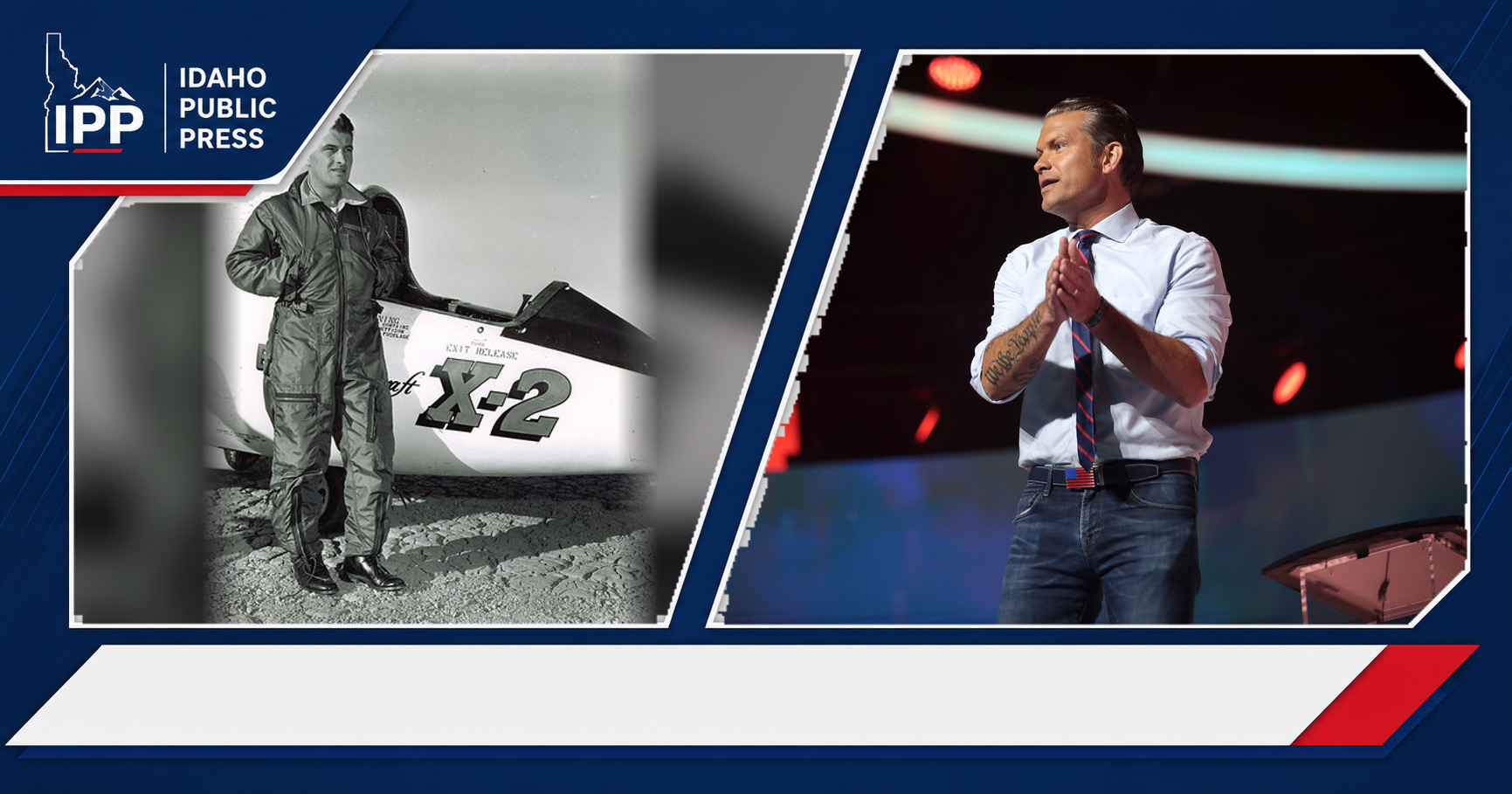
The Pentagon says Kendall improperly disclosed classified details about the Qatar-donated Air Force One’s capabilities. Kendall denies sharing anything classified, turning the dispute into a test of transparency, security and retaliation claims.
Pete Hegseth revoked Frank Kendall’s security clearance after Kendall was accused of leaking classified information about Air Force One. The allegations involved Qatar’s Air Force One, a Qatar-donated aircraft whose defensive capabilities became a public concern after reports said it lacked some protections found on the older presidential jets.
The Pentagon says the action followed an unauthorized disclosure to the media. Kendall, the former Air Force secretary under President Joe Biden, says he is “completely mystified” by the decision and denies revealing classified material. That unresolved clash is why critics have characterized Hegseth’s move as retaliation or revenge for embarrassing reporting about the plane.
What the Pentagon says happened
Pentagon spokesperson Sean Parnell said Kendall’s eligibility to access classified information was revoked because of an alleged unauthorized disclosure concerning Air Force One’s capabilities. The action also bars Kendall from holding sensitive positions, according to reporting by CBS News and the Associated Press.
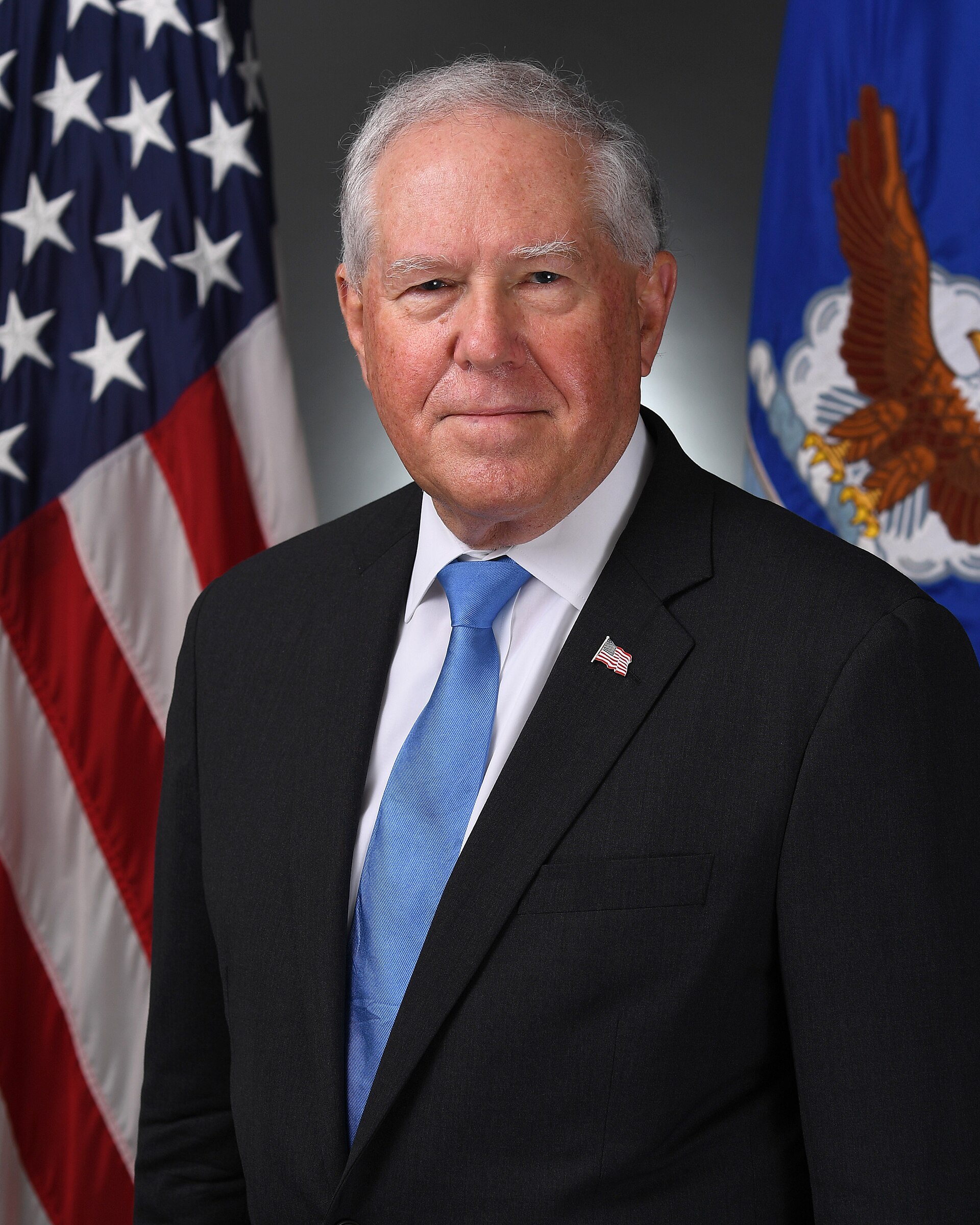
The Pentagon’s public statement did not identify the specific information it says Kendall disclosed, the outlet involved, or the classification level of the material. Those omissions are central to the dispute: officials have asserted a classified leak, while the public has not been shown the alleged disclosure at issue.
A security clearance is not a permanent right. Federal agencies can suspend or revoke access when they believe an individual no longer meets security standards. But the practical and reputational consequences can be substantial, particularly for a former senior official whose work has included defense policy and national-security issues.
Kendall denies disclosing secrets
Kendall told the Associated Press that he had been careful not to say anything classified and could not imagine what he was alleged to have revealed. He also said no one had told him what specific statement formed the basis of the accusation.
His public comments had focused on the Qatari 747’s readiness for presidential use. Kendall was quoted in reporting about concerns that the aircraft did not have all the defensive and communications features normally expected on an Air Force One jet.
That distinction matters. Former officials frequently discuss policy, procurement and broad national-security issues using public information, personal experience and professional judgment. The government can still determine that a specific disclosure crossed a line, but an allegation alone does not explain where that line was drawn in this case.
The Qatar jet raised alarms
The aircraft at the center of the dispute was donated by Qatar and put into domestic service after a roughly $400 million retrofit and upgrade, according to CBS News. It was also used for President Donald Trump’s trip to a NATO summit in Turkey last month.
Reporting on the aircraft raised questions about whether it had received the full set of modifications usually made to a presidential plane. Those include secure communications and sophisticated defensive systems designed for a president traveling during a military or national-security crisis.
U.S. officials told CBS that Trump later traveled on an older Air Force One aircraft after intelligence indicated a credible threat tied to Iran and allied proxy groups. The older plane had more established military defenses and secure systems, people briefed on the matter told the network.
Trump denied that the aircraft swap was driven by security concerns. The White House later said the Qatar-donated plane would receive additional upgrades and enhancements, expected to take about a month in the fall.
Why retaliation claims emerged
The word “revenge” reflects the timing and political context, not an established Pentagon finding. Kendall is a prominent Biden-era official, and the clearance action came after he spoke publicly in stories that cast doubt on the readiness of a highly visible Trump administration aircraft.
To critics, revoking a former official’s clearance without publicly identifying the alleged classified statement can look like punishment for criticizing an administration decision. The dispute also follows a Justice Department effort to subpoena New York Times reporters in connection with reporting on the plane, a move that prompted press-freedom concerns.
The competing view is that the government has a duty to protect classified details about presidential transport, especially details that could expose defensive weaknesses. Under that view, the official’s prior status and the political sensitivity of the aircraft should not prevent a security review if officials believe restricted information was disclosed.
The unanswered questions are specific
For now, the public record establishes that the Pentagon revoked Kendall’s access and alleges an unauthorized classified disclosure. It does not establish which words, interview, document or media report the Pentagon believes contained classified information.
- What precise information does the Pentagon say was classified?
- Was Kendall given a detailed explanation and a process to challenge the decision?
- Did the disclosure concern the aircraft’s current capabilities, planned upgrades, or broader Air Force One security practices?
- Will the Pentagon provide evidence that can be publicly reviewed without exposing sensitive details?
Those answers will determine whether this is viewed chiefly as routine protection of military secrets or as an unusually forceful response to public scrutiny of the Qatar-donated jet.
A dispute with wider stakes
The controversy reaches beyond one former official’s clearance. It highlights the tension between protecting real operational secrets and allowing informed public debate about the safety, cost and readiness of equipment used by the president.
For the Pentagon, explaining enough to support its decision without compromising sensitive information will be difficult. For Kendall, the issue is whether he can obtain a meaningful account of the allegation and contest a decision that he says makes no sense.
Until more evidence is released, the most defensible conclusion is limited: Hegseth’s Pentagon has taken a consequential step against Kendall over the Qatar Air Force One reporting, while Kendall maintains that his public comments did not reveal classified information.





Leave a Reply