
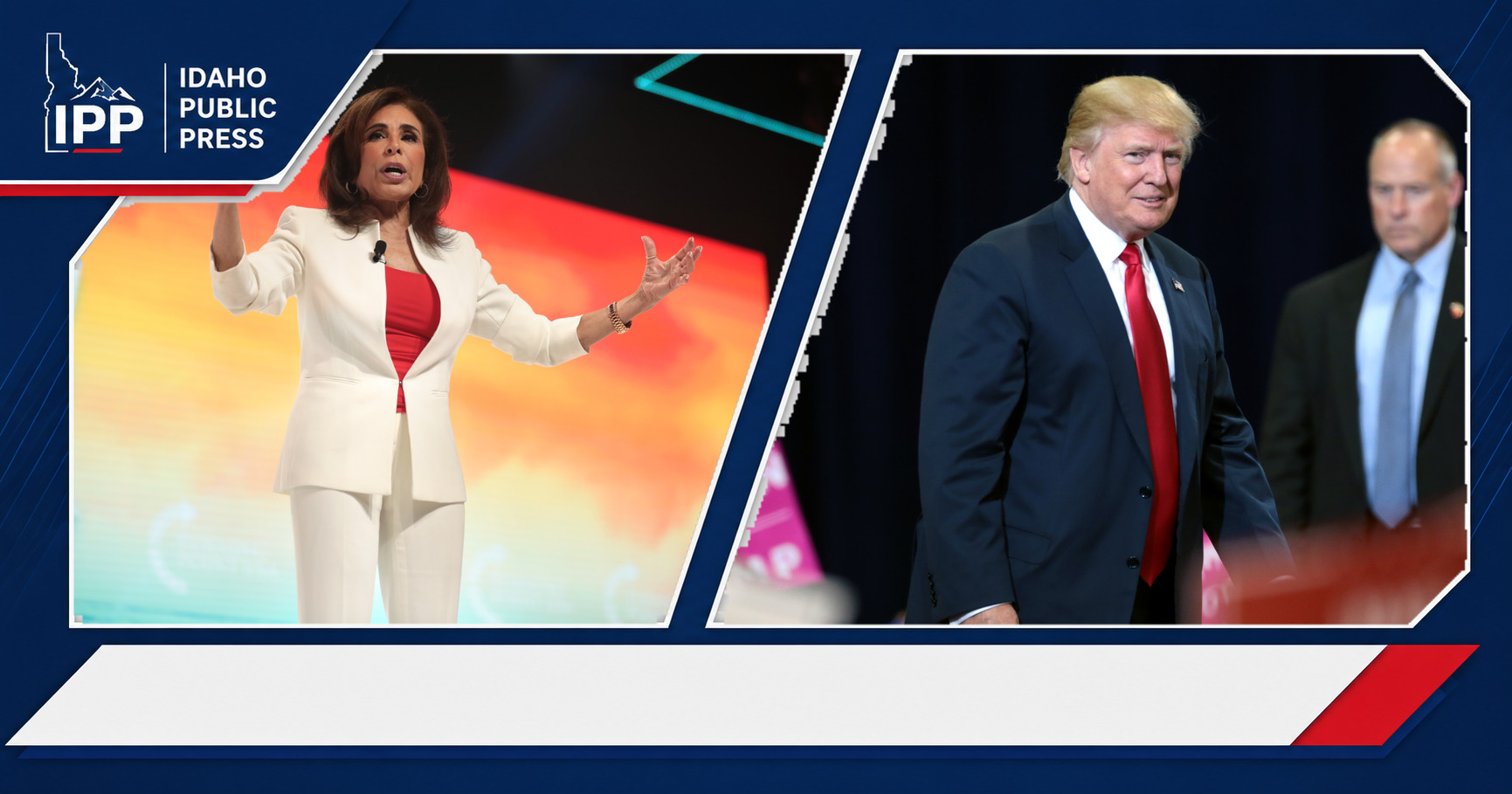
The dispute over damage at the Lincoln Memorial Reflecting Pool has turned into a public clash between Trump, Pirro and the Interior Department. At stake is whether prosecutors can sustain a vandalism case when their own filing points to a botched renovation.
Jeanine Pirro brought evidence to show Donald Trump what caused the Reflecting Pool damage, according to a CBS News report republished by MSN: the issue at the Lincoln Memorial Reflecting Pool in Washington was not, in her view, mainly vandalism. The box of evidence mattered because Donald Trump criticized Pirro over the case after her office moved to drop charges against David Hearn, a former Olympian accused in the case.
The clash is now bigger than one damaged landmark. It pits Trump’s public claim that vandals caused major damage against a prosecutorial filing that cited contractor problems, rushed work and newly discovered information that made the vandalism case hard to prove.
Evidence overtook the vandalism story
The Associated Press reported that Pirro, the U.S. attorney in Washington, moved to drop felony vandalism charges against Hearn after prosecutors reviewed additional records from the Interior Department. Those records, according to the government filing, pointed away from a simple vandalism narrative.
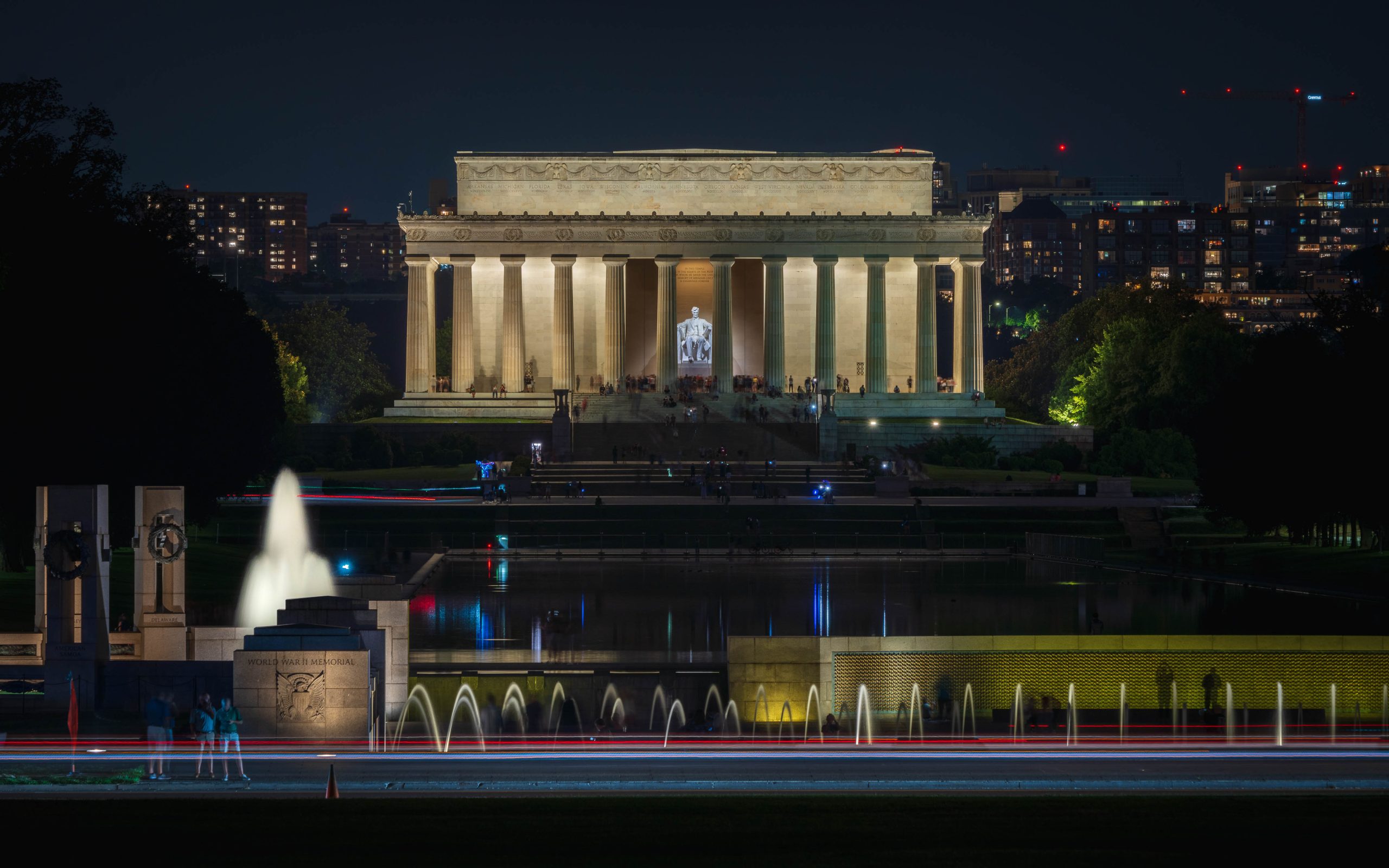
Prosecutors said the damage appeared tied to a botched installation of a new pool liner and pressure to finish the project before events connected to the America 250 celebration around Independence Day 2026. That matters because the case had been presented as accountability for damage at a highly visible Washington landmark.
The Reflecting Pool is not a minor piece of federal property. It sits between the Lincoln Memorial and the Washington Monument, making any damage a national-symbol story as much as a maintenance story.
Why Pirro dropped the case
Hearn, identified by AP as a former Olympic canoeist, had been accused of pulling up a two-foot square section of the pool’s lining. That accusation, by itself, did not explain what prosecutors later described as widespread damage across the pool.
In the filing, Pirro’s office said a visual inspection found damage throughout the pool, including in the middle. Prosecutors argued that a vandal would not likely have tried to peel up lining from that area.
The filing also said it would be difficult to attribute the widespread damage to vandalism, much less prove that beyond a reasonable doubt. That is the key legal phrase here: prosecutors do not need only a theory that sounds plausible in public. They need evidence strong enough to survive in court.
Pirro’s filing faulted the Interior Department for providing what it called less than complete information at the start of the case. It said that if the department had been forthcoming with information in its possession, the government would not have sought a grand jury indictment.
Trump publicly rejected Pirro
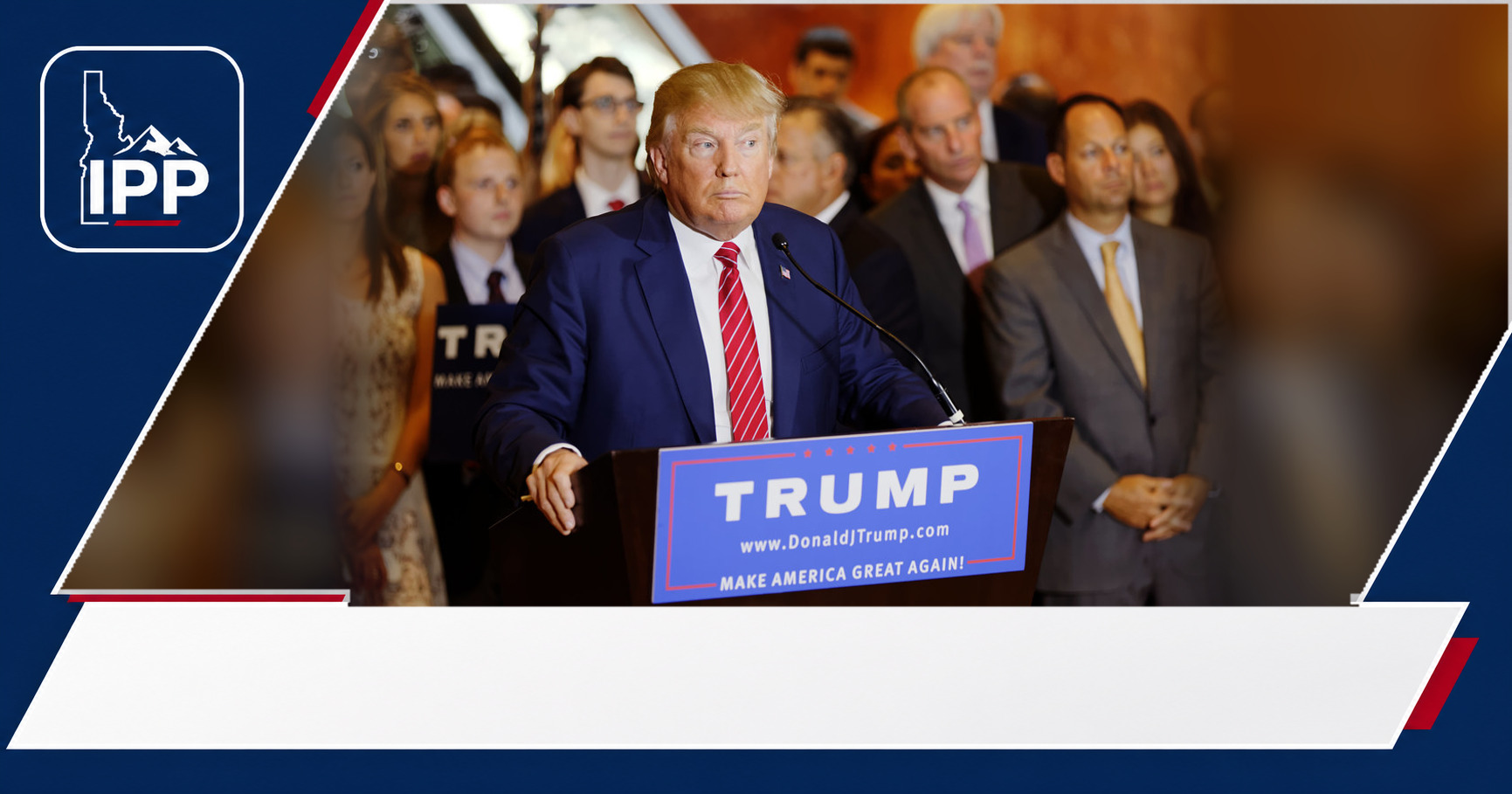
Trump responded sharply on social media, according to AP, saying he disagreed completely with Pirro’s assessment. He acknowledged there may have been some contractor difficulty in installing the pool liner, but continued to insist that the major damage was caused by vandals.
That is the central tension. Pirro’s filing treated contractor error and a rushed schedule as the more legally supportable explanation. Trump treated vandalism as the core cause and criticized a prosecutor he appointed for backing away from that claim.
The New York Times also reported the episode as a rare public rebuke from Trump after Pirro dropped the Reflecting Pool case. For an administration that had echoed Trump’s vandalism claims, the reversal created an awkward split between political messaging and courtroom standards.
It also left Pirro in an unusual position: defending a decision not to prosecute after previously touting the government’s evidence when the indictment was announced.
Interior Department pushed back
The Interior Department did not simply accept Pirro’s criticism. Interior Secretary Doug Burgum posted on X that some acts of vandalism were captured on video, according to AP.
Burgum also said the department had provided the U.S. Attorney’s Office with expert and eyewitness testimony about damage done by vandals, along with the evidence requested on the timeline for each area of damage at the pool.
That creates two competing accounts. Pirro’s office says newly provided documents changed the legal picture and undercut the indictment. Interior says it supplied evidence supporting vandalism and complied with requests.
Both things could be partly true. There may have been some vandalism and also a flawed installation. The legal question is narrower: whether prosecutors can prove that the defendant caused the charged damage beyond a reasonable doubt.
The politics are unusually exposed
This case became politically sensitive because it involved a Trump-backed renovation project, a famous federal site and a Justice Department prosecution that matched the president’s public account. When prosecutors reversed course, they did more than reassess a case file. They challenged the administration’s own story about what happened.
For Trump, the Reflecting Pool damage fit into a broader law-and-order frame: visible damage to a public monument, an accused culprit and a demand for consequences. For Pirro, once the evidence shifted, the issue became prosecutorial obligation.
A prosecutor’s duty is not to preserve a talking point. It is to bring charges only when the evidence can support them. That is why the filing’s language about proof beyond a reasonable doubt is so important.
The politics, though, are hard to separate. A Trump appointee openly contradicting Trump on a symbol-heavy case is rare, and it explains why the dispute quickly moved beyond the courthouse.
What remains unresolved
A judge still had to act on the government’s request to formally dismiss the case, according to AP’s account of the filing. If the dismissal is granted, Hearn would no longer face that prosecution, but the public dispute over the cause of the pool damage may continue.
Several questions remain unsettled. How much damage, if any, was caused by vandalism? How much was caused by construction failures? Did agencies share complete information quickly enough before prosecutors sought an indictment?
The practical takeaway is that high-profile criminal cases can unravel when engineering records, inspection findings or agency communications do not match the original theory. That is especially true when the alleged damage is widespread and the accused conduct appears limited.
Pirro’s box of evidence was meant to show Trump what caused the Reflecting Pool damage. Whether it changes Trump’s mind is one question. Whether it was enough to change the government’s burden in court is the question that mattered most to the case.



Leave a Reply