

The deaths are rare for cyclosporiasis, but they underscore how dehydration and underlying health problems can raise the stakes in a widening foodborne outbreak.
Michigan reports first confirmed U.S. deaths connected to a cyclosporiasis outbreak: two people died in Michigan, the Michigan Department of Health and Human Services announced Monday. Put plainly, Michigan reported the first two U.S. deaths connected to a cyclosporiasis outbreak, a rare outcome that has put new attention on the outbreak in Michigan and the wider United States investigation.
The state health department said both people had underlying health conditions that may have been affected by the intestinal illness and dehydration. Officials said they would not release more information about the deaths, leaving the public health focus on the parasite, the food investigation and the people most vulnerable to severe illness.
Why these deaths stand out
Cyclosporiasis is not usually described as a deadly illness. The Centers for Disease Control and Prevention says the disease is rarely fatal, and infectious disease specialists often emphasize that otherwise healthy patients can recover with treatment.
That is what makes the Michigan announcement notable. The deaths are the first confirmed in the U.S. related to the current outbreak, according to state health officials cited by The Associated Press.
Dr. Joel Kammeyer, division chief of infectious diseases at Wayne State University and the Detroit Medical Center, called the deaths a “tragedy” in comments reported by AP. He also noted the broader context: despite thousands of cyclosporiasis cases, only two deaths have been confirmed.
His point is important for readers trying to understand the risk. For many people, the illness is miserable but treatable. For people already dealing with serious health problems, the dehydration that can come with severe diarrhea can become much more dangerous.
What cyclosporiasis does
Cyclosporiasis is caused by cyclospora, a microscopic parasite that infects the intestines. The CDC describes the illness as commonly causing watery diarrhea, sometimes with frequent and explosive bowel movements.
Outbreaks tend to appear most often in late spring and summer. That seasonal pattern matters because the parasite has repeatedly been linked to fresh produce, especially when fruits or vegetables are exposed to feces-contaminated water before reaching consumers.
The illness can be confusing because it is less familiar to many Americans than salmonella or E. coli. It also may not immediately look like a foodborne outbreak to people who get sick, especially if symptoms drag on or come and go.
The practical takeaway is not panic. It is that prolonged watery diarrhea, dehydration and illness in people with underlying conditions deserve attention, particularly during a known outbreak.
The food trail under review
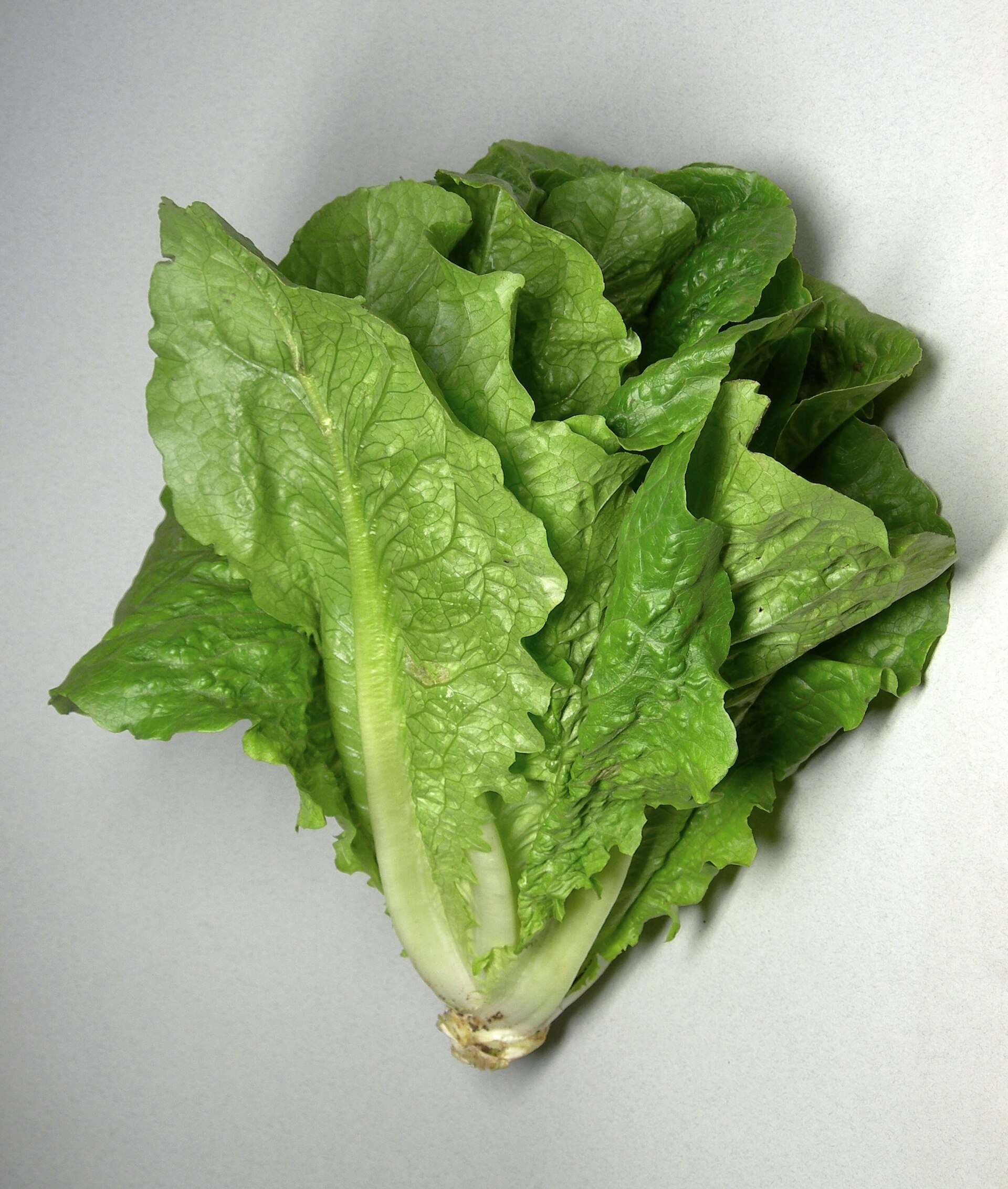
Federal health officials have identified lettuce from Mexico served at Taco Bell locations in nine states as one source of the widespread outbreak, according to the CDC information reported by AP.
As of late July, the CDC said 1,947 cases were linked to that lettuce source, including at least 98 hospitalizations. Those numbers capture only one identified part of the outbreak, not necessarily the full national picture.
The investigation is not closed. The CDC has said other “brands, restaurants, retailers, or distribution channels” could also be tied to the outbreak as investigators continue tracing illnesses back to possible sources.
That uncertainty is common in produce-related outbreaks. Lettuce and other fresh items often move through farms, processors, distributors and restaurants quickly, and contaminated products may be gone by the time investigators connect cases across states.
A surge beyond Michigan
The Michigan deaths come during a much larger national increase in cyclosporiasis reports. The CDC said it was aware of more than 18,000 confirmed or suspected cases in the current surge, while state-level reporting suggested the number had topped 20,000 nationwide, according to AP.
That is a striking jump compared with past years. AP reported that 2019 had previously seen the most reported U.S. cyclosporiasis cases, at about 4,700.
Part of the increase may reflect better detection and reporting. Public health labs, clinicians and state agencies are more alert to cyclospora than they were years ago, and large multistate investigations can surface cases that once would have remained isolated.
Still, the scale of the current surge is the issue. Even when an illness is rarely deadly, a very large outbreak can produce more hospitalizations and expose vulnerable patients to complications.
Who faces the bigger risk
The Michigan Department of Health and Human Services said both people who died had underlying health conditions that may have been affected by the intestinal illness and dehydration. The department did not identify the people, their ages, where they lived or whether their infections were tied to a specific food source.
That limited disclosure protects privacy, but it also leaves unanswered questions about exactly how cyclosporiasis contributed to the deaths. “Connected to” and “related to” do not always mean a single, simple cause; in severe illness, dehydration and existing medical problems can interact.
Kammeyer’s comments point to that distinction. He said cyclosporiasis alone is relatively easy to treat for someone who comes into urgent care with no other major issue, but some patients may not be able to withstand the dehydration that can come with severe disease.
For families and caregivers, the risk message is narrower than the headline may sound. The parasite is not suddenly being described as commonly fatal. The concern is that severe diarrhea can become dangerous when it hits someone whose body is already under strain.
What remains unclear now
Several major questions remain open. Health officials have not released details about the two Michigan deaths, have not said whether they were connected to the lettuce source identified by federal investigators, and have not declared the broader outbreak over.
Investigators also have to determine whether the national surge is driven by one main supply chain problem, multiple contaminated food sources, improved reporting, or some combination of those factors.
For consumers, the hardest part is that cyclosporiasis outbreaks are often identified after people are already sick and after fresh produce has moved through the market. That makes public health updates, restaurant sourcing records and state case reports central to the investigation.
The clearest reading of the Michigan announcement is sober but not alarmist: two deaths are a serious development, especially because they are the first confirmed U.S. deaths tied to this outbreak, but the illness remains rarely deadly. The larger story is the size of the surge, the unresolved food trail and the need to protect people most at risk from dehydration and complications.










Leave a Reply