

A USA Today opinion column argues that Mayor Zohran Mamdani is pairing big policy goals with unusually visible constituent service in New York City. Republicans see the same agenda as an alarming expansion of democratic socialism.
Zohran Mamdani has delivered on campaign promises including a rent freeze, movement on universal child care and efforts to establish city-run grocery stores, according to a USA Today opinion column. Republicans strongly oppose Mamdani’s actions and policies, portraying the New York City mayor’s democratic-socialist agenda as a warning sign rather than a governing model.
The argument over Mamdani’s record is also about something more immediate: whether visible responses to potholes, park problems and other neighborhood complaints can turn City Hall service into a powerful political message.
A governing style built for feeds
USA Today columnist Sara Pequeño wrote that Mamdani’s office has made a habit of responding to New Yorkers who flag local problems on social media. In the examples cited, a pothole was repaired, water-fountain concerns at Prospect Park during a heat wave received a response from NYC Parks, and the mayor’s social accounts even offered city-programming suggestions in response to a lighthearted dating complaint.
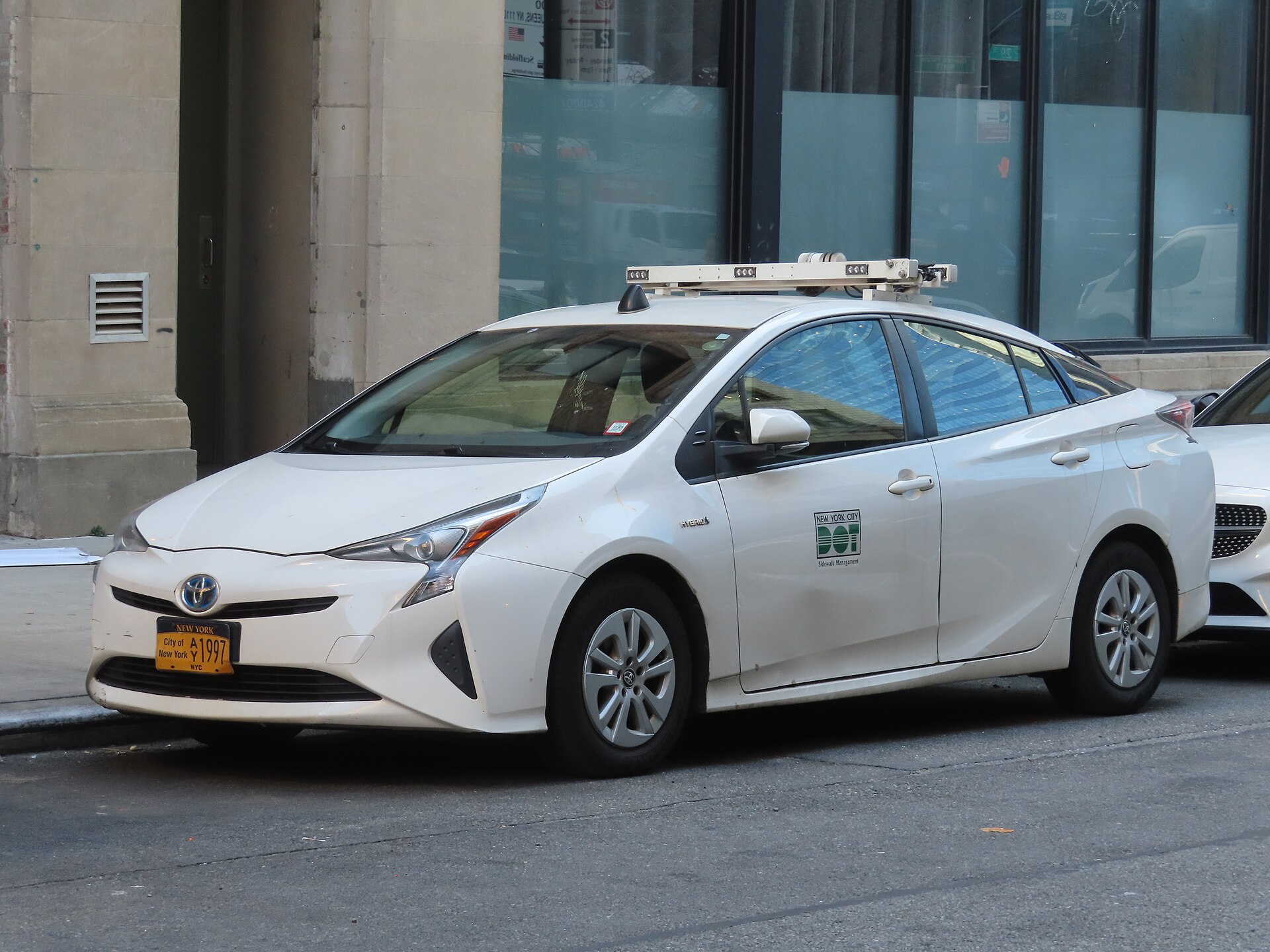
That approach is not the same as a formal 311 request system, and the column acknowledges that a viral post may be more likely to get attention than a private direct message. Still, it creates a public record of a complaint, a response and, in some cases, a visible outcome.
For a mayor, that can be effective politics as well as practical administration. A repaired street or a park amenity is easier for residents to judge than a long policy speech. Social platforms also let an administration show its work in real time, often directly to the person who raised the issue.
The promises at the center
Pequeño’s column says Mamdani, eight months into his first term, has made progress on several of the commitments associated with his campaign. The list includes freezing rent, advancing universal child care, pursuing a pied-à-terre tax on wealthy owners of second homes, and securing space for city-run grocery stores.
Each item has different practical and political stakes. A rent freeze can offer immediate relief to tenants but can intensify disputes with property owners over maintenance costs, housing supply and investment. Universal child care is broadly appealing in a city where care costs can strain family budgets, but implementation depends on funding, capacity and staffing.
The proposed pied-à-terre tax is especially revealing because it reaches beyond City Hall’s day-to-day service work. Supporters see it as a way to ask affluent part-time residents to contribute more to the city. Critics can argue that it is punitive, legally vulnerable or likely to discourage investment.
City-run grocery stores similarly present a simple promise with difficult execution questions: where stores would operate, how prices would be set, whether they would compete with existing businesses and how the city would measure success. Securing space is an early step, not proof that the full program will deliver as intended.
Why Republicans are pushing back
Republican criticism of Mamdani is not limited to individual program details. The larger objection is ideological: opponents say his democratic-socialist politics would expand government’s role too far in housing, food access, taxation and other parts of city life.
New York GOP gubernatorial candidate Bruce Blakeman criticized Mamdani during a Fox News appearance on Aug. 12, according to the column. President Donald Trump also attacked the second-homes tax in an Aug. 11 Truth Social post and said the federal government could seek to intervene to prevent what he described as New York City’s decline.
Those attacks show why Mamdani has become a national political symbol. Republicans can use his agenda to make a broader case against progressive governance. Mamdani and his allies, meanwhile, can point to tangible local actions as evidence that government intervention can solve problems voters actually encounter.
Both sides benefit from the contrast. Republicans gain a vivid example for their argument about taxes and government control. Mamdani gains a clear adversary and an opportunity to argue that critics are attacking policies aimed at rent burden, child care costs and neighborhood quality of life.
Visible service carries real limits
There is a difference between responsiveness and equity. A city administration that reacts quickly to a viral video may look accessible, but the residents most affected by poor services are not always the ones with a large online following, reliable internet access or time to post publicly.
The important test is whether digital visibility improves the ordinary systems residents use when nothing goes viral: 311 reports, agency hotlines, public meetings, inspections and follow-up from city departments. A TikTok response can build trust, but it cannot replace dependable service across every neighborhood.
There is also the question of scale. Fixing a discrete issue can be straightforward; improving housing affordability, expanding child care or opening municipal grocery stores requires budgets, legislation, workers, sites and sustained oversight. Those initiatives should ultimately be measured by results, not by the appeal of the announcement.
The political payoff of delivery
Mamdani’s supporters can reasonably argue that local government earns credibility when residents can see it respond to local needs. The columnist’s central point is that a mayor who handles both high-profile commitments and ordinary complaints is doing the unglamorous work voters expect after an election.
His critics can reasonably counter that a quick response to constituent concerns does not settle the costs, legality or long-term consequences of his broader platform. The rent freeze, proposed tax and publicly run stores will remain subjects of legitimate debate even when a pothole gets filled quickly.
What is clear is that Mamdani’s team appears to understand the political value of making government action visible. If the administration can translate online responsiveness into reliable citywide performance, it may strengthen the case for its agenda. If larger promises stall, face legal setbacks or produce uneven results, Republican warnings will gain more traction.
For now, the fight over Mamdani is a fight over competing definitions of effective government: one side sees a mayor using public power to meet needs directly; the other sees an agenda that risks making New York City more expensive, more regulated and less flexible.






Leave a Reply