
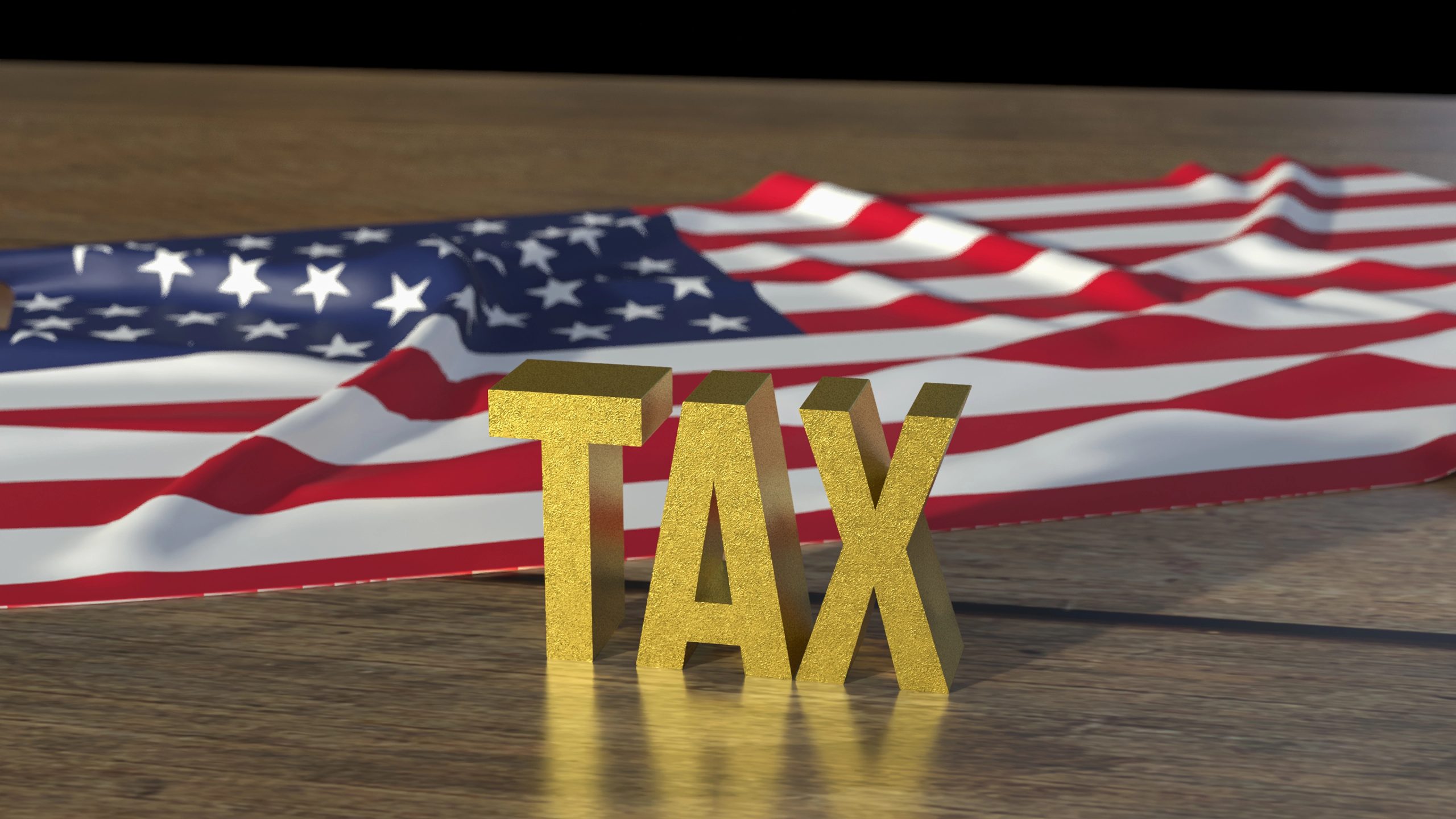
The argument is not simply about whether households deserve help with energy bills. It is about whether subsidies reduce underlying costs or shift part of the cost from bills to taxes.
The Albanese government was criticised over its energy subsidies after Zoe Hilton of Affordable Energy Australia described the approach as a “sleight of hand.” Critics argued that taxpayers ultimately fund the subsidies, challenging the claim that returning public money through energy assistance amounts to genuine affordability.
Hilton’s remarks, made in a News24 interview cited by the Herald Sun, target a politically potent problem: households can welcome relief on a power bill while still questioning whether the cost has merely moved elsewhere. The available source material does not identify a specific subsidy program, cost or policy announcement, but it captures a wider dispute over how governments present energy help.
Hilton’s objection to bill relief
Hilton said she was “sick to death” of governments taking money through taxes, then returning it through energy subsidies and calling the outcome affordability. Her point was direct: a discount funded from public revenue is not the same as permanently lowering the cost of producing, delivering and using energy.
“That is not energy affordability, that is sleight of hand,” Hilton said in the interview with host Chris Kenny. She also argued that governments should not assume heavily subsidising a particular energy source will automatically bring household bills down.
It is a criticism of both policy design and political language. A subsidy may change what a customer sees on a bill in the short term. Hilton’s argument is that it does not answer the harder question of whether the energy system itself is becoming less expensive.
Why taxpayers sit at the center
Energy assistance can be funded in several ways: through general taxation, charges collected across customer bills, direct government spending or requirements placed on energy companies. The practical details vary by program, but the core trade-off is familiar: money used to reduce one cost must come from somewhere.
That does not mean a subsidy has no value. Governments may use targeted assistance to cushion households during a price shock, protect low-income customers or buy time while longer-term energy projects are built. For a family facing an immediate bill, the source of funding can feel less urgent than the amount due this month.
Critics such as Hilton take the longer view. If the same households finance a measure through taxes, they argue, the policy should be judged on its total cost and not only on the smaller figure printed on an electricity bill.
- Bill relief addresses what a household pays now.
- Affordability suggests the underlying cost of energy is falling or becoming more manageable without continuing public support.
- Transparency requires governments to explain who pays, who benefits and how long assistance is expected to last.
Relief and affordability are different
The distinction matters because the two ideas can both be true at once. A rebate or subsidy can materially help a household meet an essential expense. It can also leave wholesale prices, network costs, retail margins and the broader cost of generation unchanged.
That is why the debate often becomes contentious. Supporters of subsidies can reasonably say that emergency or targeted relief prevents hardship. Opponents can reasonably respond that repeated subsidies risk becoming a substitute for tackling the causes of high prices.
Neither position is resolved by a slogan. The useful test is whether a policy is presented honestly: as temporary help with a bill, or as evidence that energy has become structurally cheaper.
The missing details in this dispute
The source material containing Hilton’s comments does not specify which Albanese government energy subsidies she was referring to. It does not set out the value of the assistance, its funding source, eligibility rules, duration or any government response to her remarks.
Those omissions matter. Different programs can have very different effects. A narrowly targeted payment for vulnerable customers is not the same as a broad subsidy affecting all users, and a short-term cost-of-living measure is not the same as a long-term commitment to support an energy technology.
Without those details, it would be premature to treat Hilton’s assessment as a full accounting of a particular policy. Her comments are best understood as a forceful argument about the principle of subsidised energy prices, rather than a verified analysis of one identified scheme.
What a clearer energy debate needs
For households, the most useful information is not just that a bill has been reduced. It is whether the reduction is temporary, how it is financed and what will happen when the support ends.
Governments making the case for subsidies can strengthen it by clearly separating immediate cost-of-living support from longer-term claims about energy affordability. They can also explain the expected public cost and the benchmarks that would show the policy is working.
Critics, meanwhile, face a related challenge: proposing how households should be protected when energy costs rise sharply if subsidies are reduced or avoided. Saying that assistance is taxpayer-funded identifies a trade-off; it does not by itself settle how that trade-off should be managed.
A dispute over the real price
Hilton’s “sleight of hand” line lands because it captures public frustration with costs that appear to be shuffled rather than solved. Her criticism is aimed at the Albanese government, but the underlying question applies to energy policy more broadly: is a lower bill the same thing as lower-cost energy?
For now, the available reporting establishes Hilton’s position, not a detailed policy verdict. The next meaningful test is whether governments can show that their interventions deliver both short-term protection for households and a credible path to lower underlying energy costs.







Leave a Reply