
The clash is about more than rhetoric: the Strait of Hormuz is a vital shipping route, and competing claims over its control carry military, legal and economic consequences. Here is what Iran said, what Trump has claimed and why the waterway matters.
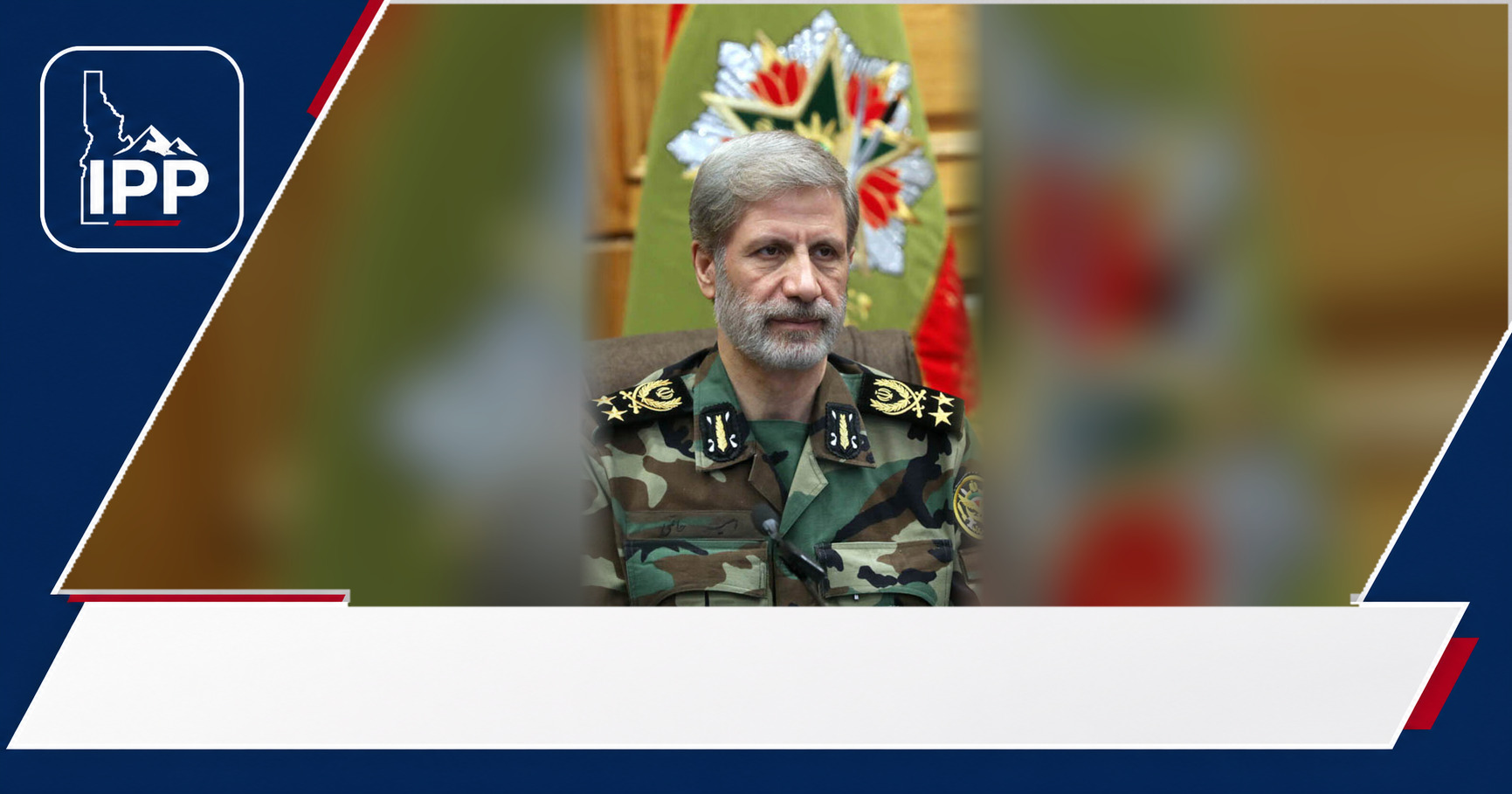
Iran told Donald Trump to accept what it called the “reality of defeat” after rejecting Trump’s claims about the Strait of Hormuz. Iranian Deputy Foreign Minister Kazem Gharibabadi said Iran controls the opening and closing of the strait, while Trump has said the United States has control there and raised the prospect of declaring it U.S. territory.
The argument matters because the Strait of Hormuz is one of the world’s most important energy chokepoints. The rival assertions do not settle who legally governs the waterway, but they underscore the high-stakes contest over access, shipping and military power in a route that had carried about one-fifth of the world’s oil and gas supply before the conflict began.
Iran’s response to Trump
Gharibabadi delivered Iran’s response in a post on X, according to reporting by The Hill. He said the United States had no authority to claim the strait and described Trump’s position as “delusions.”
“The Strait of Hormuz has been Iranian, is Iranian, and will remain Iranian,” Gharibabadi wrote, in a translation from Persian cited by the outlet. He added that the strait would be closed or opened only under Iran’s command.
His reference to the “reality of defeat” directly answered U.S. claims surrounding the wider conflict. It was also a signal that Tehran sees continued restrictions on the waterway as a source of pressure, rather than as a temporary symbolic move.
What Trump has claimed
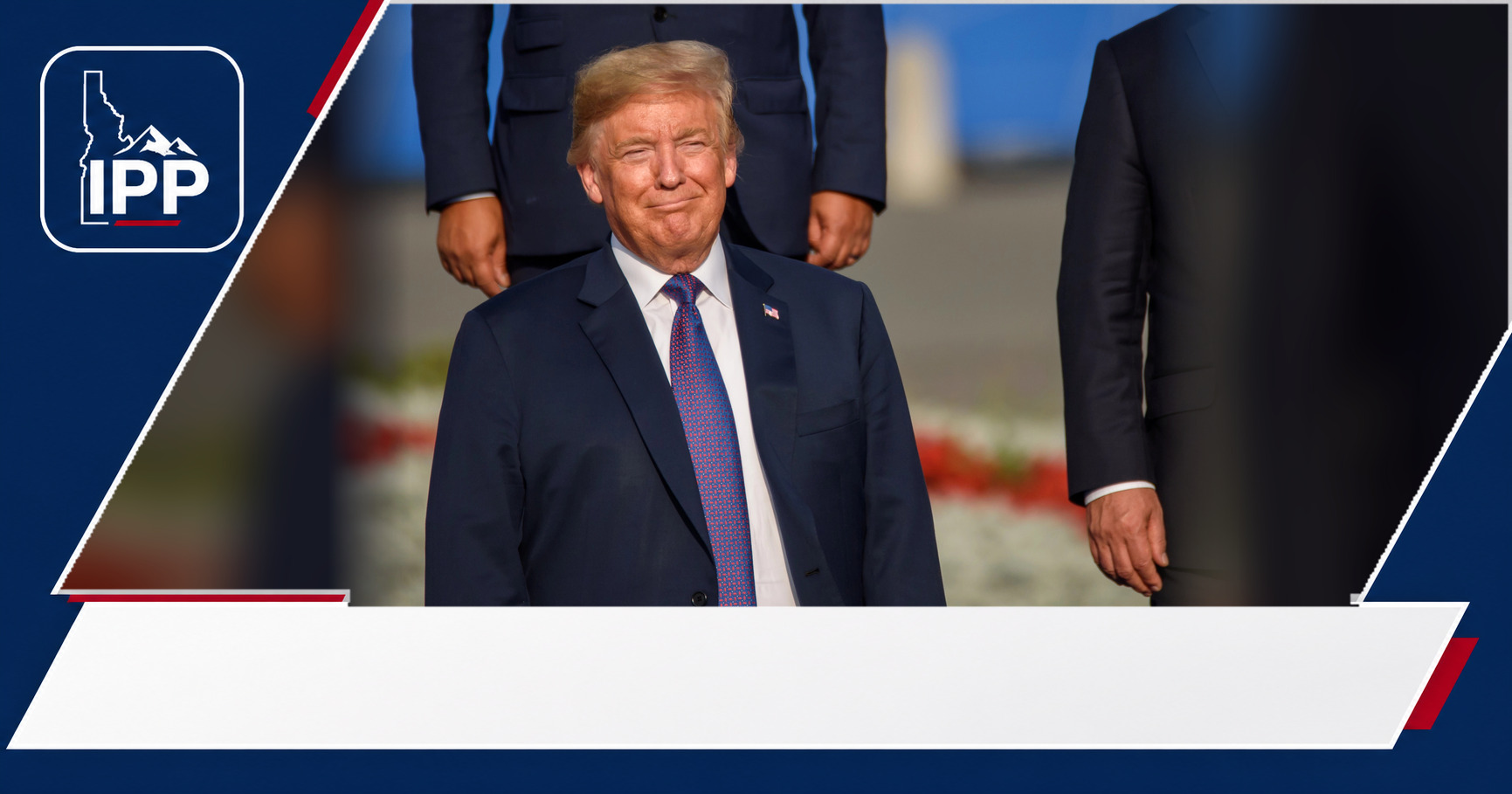
Trump has repeatedly portrayed the United States as being in control of the Strait of Hormuz. During a speech at a police academy in New York, he said he would soon declare the strait “a territory of the United States,” according to The Hill.
He later told reporters that the United States had control of the waterway and pointed to the strength of the U.S. Navy. The comments came after U.S. naval blockades were deployed during the conflict, as described in the report.
There is an important distinction between military capability, temporary operational control and a lawful territorial claim. A president’s public declaration would not by itself change international boundaries or establish sovereignty over an international waterway.
A narrow route with global reach
The Strait of Hormuz links the Persian Gulf with the Gulf of Oman and the Arabian Sea. Its geography makes it exceptionally sensitive: ships carrying oil, liquefied natural gas and other cargo must pass through a relatively narrow channel on their way to global markets.
Iran and Oman border the strait. Former U.S. diplomat Richard Haass has argued that no single country controls the entire Strait of Hormuz, a view cited by The Hill that reflects the gap between sweeping political rhetoric and the complicated legal and geographic reality.
Iran has considerable ability to disrupt shipping near its coast, while the United States has formidable naval power and a longstanding security role in the region. Neither fact makes the broader sovereignty question simple.
Shipping data shows the pressure
The practical effect of the dispute can be seen in vessel traffic. The Hill reported that only six ships traveled through the strait over one recent weekend, citing ship-tracking firm Kpler.
That was far below the roughly 130 to 140 vessels that typically crossed each day before the war began on Feb. 28, 2026, according to the report. A sharp fall in traffic is significant even before a formal, universally enforced closure is established: shippers, insurers and energy buyers can pull back when they judge a route too dangerous or uncertain.
Fox News host Bret Baier also said traffic had slowed to “a trickle,” challenging Trump’s suggestion that the situation was firmly under U.S. control. The available reports do not resolve how much of the decline reflects direct restrictions, military risk, insurance decisions or commercial caution.
Why control claims carry consequences
For Iran, saying it can open or close the strait projects leverage against the United States and its partners. For Trump, claiming U.S. control projects deterrence and seeks to show that American military power can protect a strategically essential trade route.
Those messages are aimed at more than each other. Gulf states, oil-importing countries, shipping companies and financial markets all watch whether ships can move safely and predictably through Hormuz.
When traffic falls, supply routes have to be rerouted where possible, freight and insurance costs can rise, and oil and gas prices can face additional upward pressure. The impact is not limited to gasoline prices; it can ripple through transportation, manufacturing and consumer costs.
The unresolved question is access
The immediate question is less about whose language is most forceful than whether commercial and energy traffic can resume at anything close to normal levels. Iran’s statement suggests Tehran intends to keep treating access as a bargaining tool. Trump’s statements suggest the U.S. intends to contest that posture publicly and militarily.
What remains unclear is whether either side’s claims will translate into a durable change on the water. The accounts cited do not establish an agreed framework for reopening the route, a timetable for normal shipping or a settlement of the competing legal claims.
For now, the exchange between Iran and Trump has turned a dispute over a strategic channel into a visible test of power, credibility and economic resilience. The most meaningful measure will be whether vessels return in large numbers—and whether they can do so without triggering a wider escalation.



Leave a Reply