
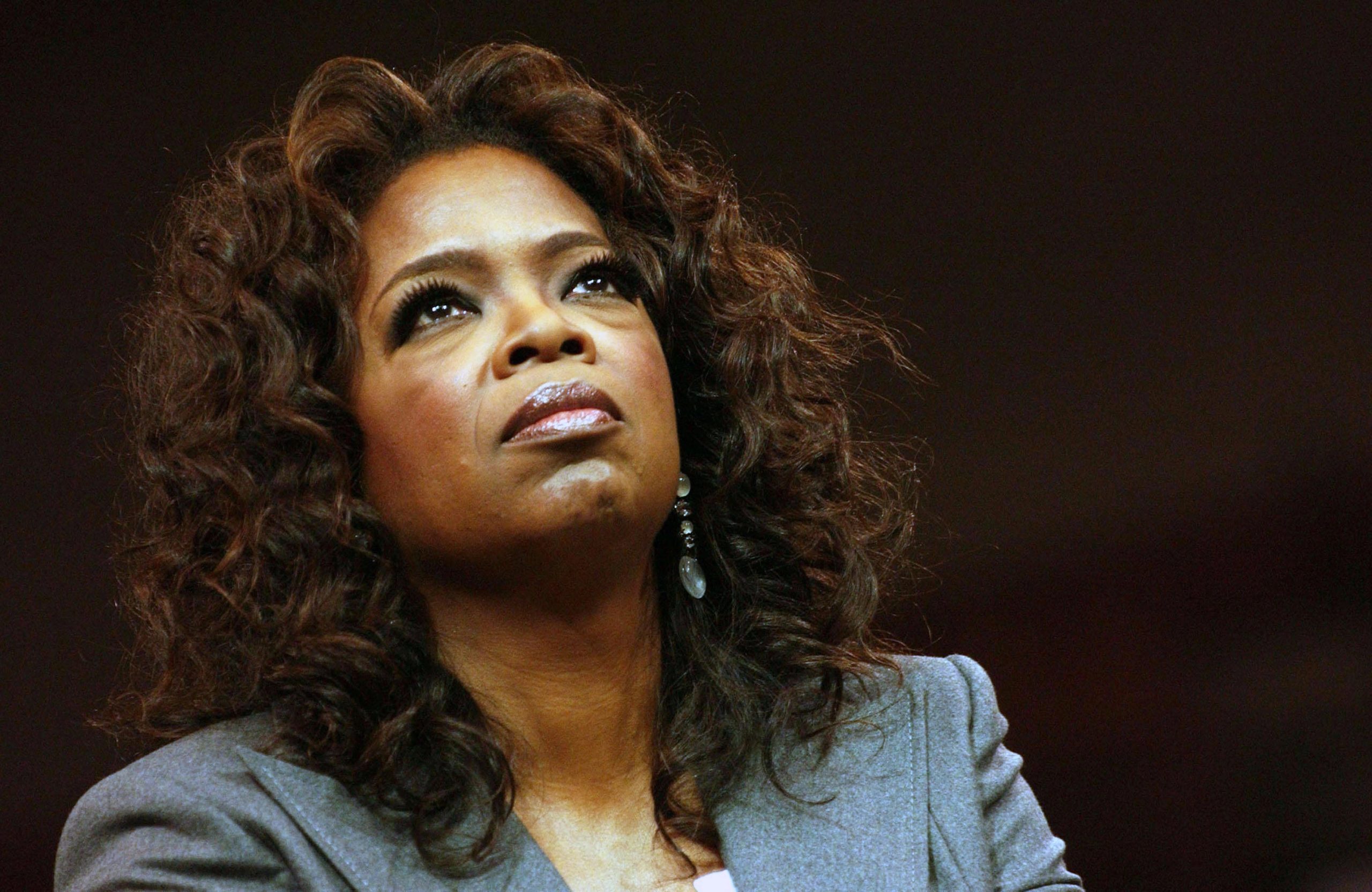
Winfrey helped introduce both Dr. Phil McGraw and Dr. Mehmet Oz to a vast daytime-TV audience. She now says their later alignment with Donald Trump and the MAGA movement is their own choice, not a reflection of her.
Oprah Winfrey says she does not “have one thing to do with” Dr. Phil McGraw and Dr. Mehmet Oz, two television personalities who gained major exposure through her platform and are now associated with Donald Trump and the MAGA movement. In an interview with Emmy Magazine, Winfrey responded to criticism that she helped make the two men famous.
The timeline explains why the question follows her: McGraw appeared on Winfrey’s show beginning in 1988, Oz followed in 2004, and their spinoffs arrived in 2002 and 2009 before The Oprah Winfrey Show ended in 2011. Winfrey says the choices they later made are not hers to own.
Winfrey answered a long-running criticism
Winfrey’s comments address an uncomfortable part of her extraordinary influence as a daytime television host. For decades, an appearance on her show could turn a little-known author, expert or personality into a household name.
McGraw and Oz became two of the clearest examples of that influence. Both built nationally recognized brands after reaching Winfrey’s audience, and both later moved into a political landscape sharply different from the one many viewers associate with Winfrey herself.
In the Emmy Magazine interview, Winfrey acknowledged the criticism directly: “People criticize me for Dr. Phil and Dr. Oz, because of their politics or their views.” She then drew a firm line between the roles they had on her program and their present-day public identities.
“Everybody has their own path in life,” she said. “It has not one thing to do with me, and I don’t have one thing to do with them.”
Why Dr. Phil broke through
McGraw first entered Winfrey’s orbit while helping her during the 1998 Texas cattle-industry lawsuit over her comments about beef safety. Winfrey has credited him with offering steady advice during that difficult period.
His plainspoken on-air style proved effective with her audience. He went on to receive his own syndicated series, Dr. Phil, in 2002, building a long-running television career around direct advice, confrontational interventions and discussions of personal crises.
That history is important to Winfrey’s defense. She said she promoted McGraw because she believed he had information and perspective that were meaningful and potentially useful to viewers at the time.
Her statement does not suggest she is retracting every positive assessment she made of him decades ago. It draws a distinction between recognizing someone’s television appeal in an earlier era and endorsing every position that person takes later.
Oz followed a similar TV path
Oz became a frequent medical guest on Winfrey’s show in the 2000s, after being introduced through Winfrey’s circle, including her longtime friend Gayle King. His regular appearances helped turn a heart surgeon and medical commentator into a familiar face for millions of daytime viewers.
The Dr. Oz Show debuted in 2009 and gave him a platform of his own. The program blended medical advice, wellness discussions and product-focused segments, making Oz one of television’s most visible health personalities.
That visibility later followed him into politics. Oz ran as the Republican nominee in Pennsylvania’s 2022 U.S. Senate race and, according to reporting cited in the original account, has since held a role in the Trump administration leading the Centers for Medicare & Medicaid Services.
For critics, that arc makes Winfrey’s early backing hard to separate from his later stature. For Winfrey, the relevant point is that the relationship was rooted in what she believed he offered viewers at the time, not in an open-ended political partnership.
The political split is now explicit
McGraw and Oz have each developed high-profile associations with Trump-world politics, though in different ways. McGraw has made public appearances connected to Trump’s immigration agenda and was named to Trump’s Religious Liberty Commission, according to reports.
Oz, meanwhile, became a prominent Republican figure during and after his Senate campaign. His political profile has placed him alongside Trump allies and within the broader MAGA movement, a sharp contrast with Winfrey’s support for Democratic candidates, including Kamala Harris during the 2024 presidential campaign.
Winfrey’s wording matters because it avoids trying to litigate each man’s beliefs one by one. Instead, she rejects the idea that a powerful early career boost makes her permanently responsible for their politics, policy positions or public conduct.
That is a reasonable distinction, but it does not erase the question behind the criticism: when a cultural gatekeeper gives someone an enormous platform, how much responsibility remains when that person’s influence grows in unexpected directions?
Fame creates connections that linger
There are competing ways to read Winfrey’s remarks. One view is that McGraw and Oz are autonomous adults whose careers, political affiliations and choices belong to them alone. By that measure, Winfrey is right to reject attempts to treat her as a stand-in for their views.
Another view is that early endorsements carry lasting consequences, especially when they help turn experts into trusted media brands. Winfrey did not create every opportunity either man later received, but her audience gave both a powerful launchpad that few television figures could match.
The larger lesson is not that public figures can perfectly predict whom they elevate. They cannot. It is that celebrity endorsements often outlast the moment they were made, particularly when the person receiving the endorsement goes on to shape debates about health, politics or culture.
Winfrey’s response is therefore a boundary-setting moment. She is not disputing that she helped introduce McGraw and Oz to a national audience. She is saying, plainly, that their current political paths are separate from her own.
What remains unresolved
Neither McGraw nor Oz is required to share Winfrey’s politics, and Winfrey is not claiming authority over their careers. Her remarks instead reflect how dramatically their public identities have changed since their earliest appearances on her show.
What remains unclear is whether the criticism will fade now that Winfrey has addressed it so directly. Her answer may satisfy people who see the connection as historical rather than ongoing, while doing little for those who believe powerful media figures should reckon more deeply with the influence they confer.
For now, Winfrey’s position is unmistakable: she recognizes why people connect her to the careers of Dr. Phil McGraw and Dr. Mehmet Oz, but she rejects any connection between her and the political roles they occupy today.







Leave a Reply