

The Virginia Democrat’s opposition spotlights a confirmation fight centered on election questions, intelligence independence and the tradeoffs senators see in replacing the current acting DNI.
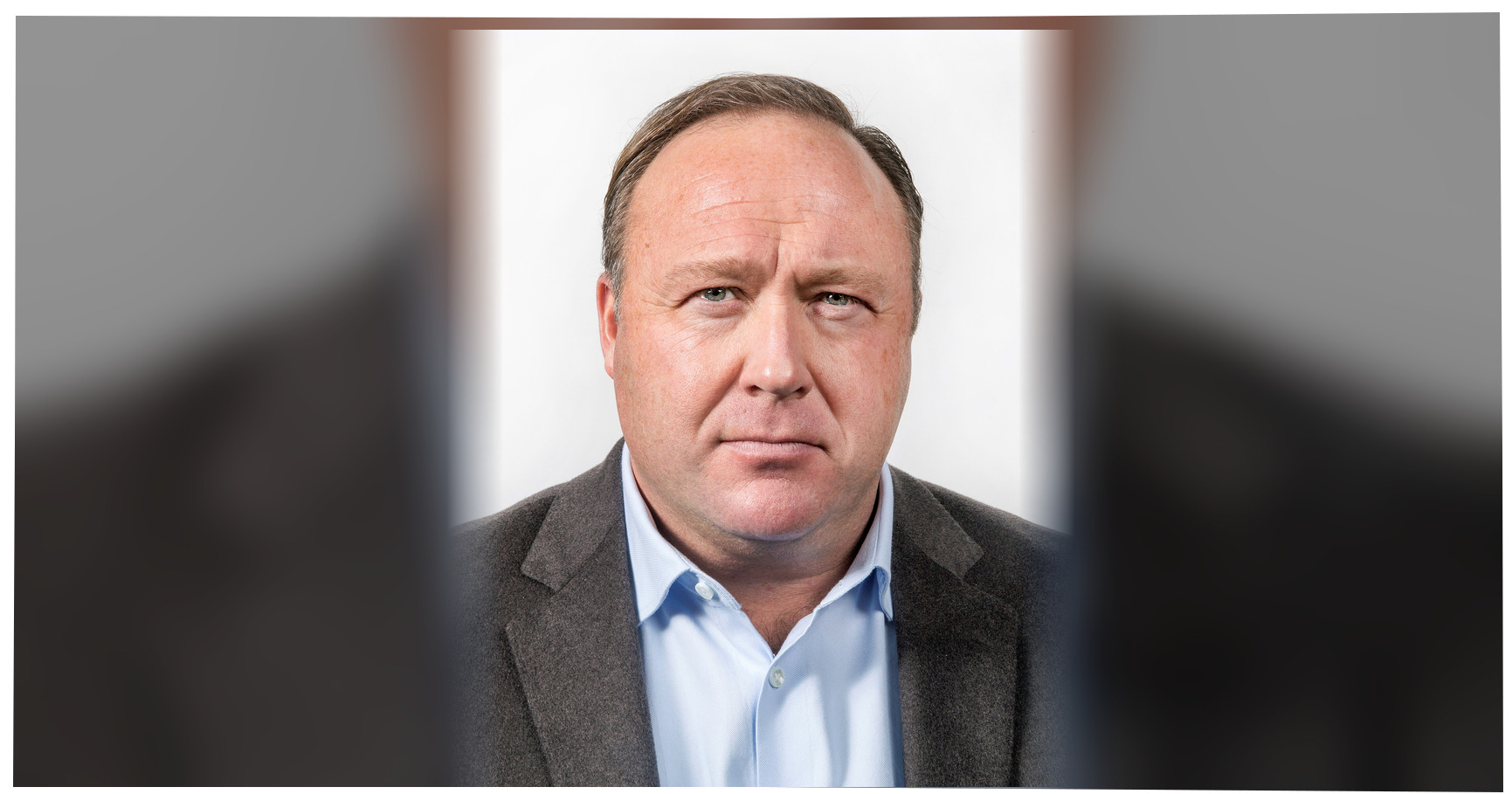
Mark Warner says he will vote against Jay Clayton’s nomination as director of national intelligence, sharpening the Senate confirmation fight over Trump’s DNI pick in Washington, D.C., on Sunday, July 19, 2026. Warner, the top Democrat on the Senate Intelligence Committee, said Clayton’s testimony left him disappointed.
The fight matters because Clayton is still expected to move forward with Republican support, even as Warner argues the nominee dodged key questions. The clash puts intelligence independence, election legitimacy and President Donald Trump’s personnel choices back at the center of a high-stakes Senate vote.
Warner’s reversal raises the stakes
Warner’s announcement is notable because he had not started out as a hard no. According to CBS News, the Virginia Democrat previously spoke positively about Clayton and said last month that he hoped Clayton would be confirmed quickly.

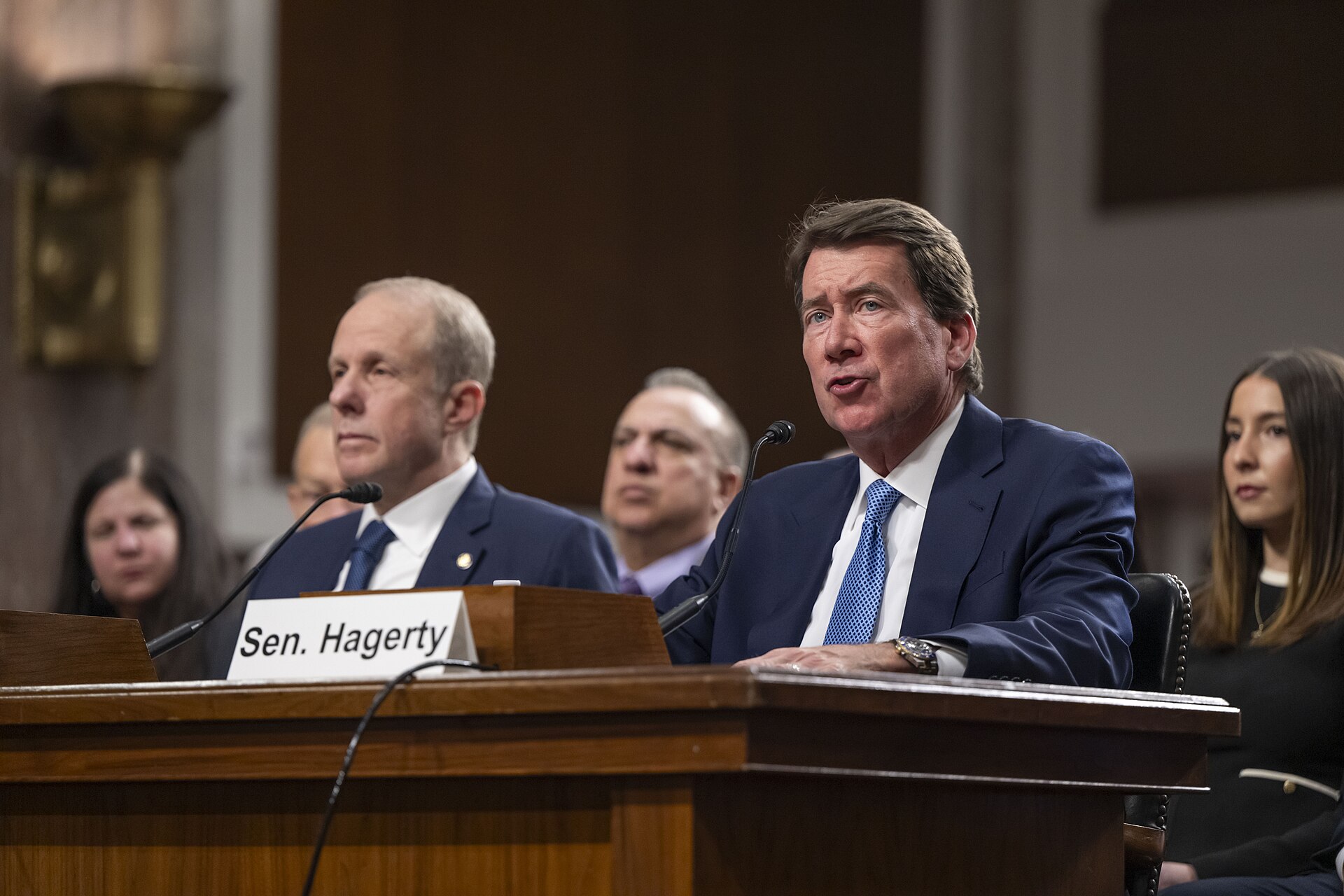
That changed after Clayton appeared before the Senate Intelligence Committee for his confirmation hearing last week. Warner said on CBS News’ Face the Nation that he has known Clayton for a long time, liked him personally and had worked well with him when Clayton led the Securities and Exchange Commission.
But Warner said the hearing changed his view. His criticism was not framed as a personal attack. It was a judgment about whether Clayton showed the clarity and independence Warner believes are required for the nation’s top intelligence post.
Warner said he was disappointed not only by Clayton’s answers to his own questions, but also by responses to other senators. That distinction matters: he is arguing that the concern was broader than one tense exchange.
The hearing turned on 2020
One flashpoint was Clayton’s handling of questions about the 2020 presidential election. CBS News reported that Democrats repeatedly pressed Clayton on the election results during the hearing.
Clayton acknowledged that former President Joe Biden was certified as president and said he was not an election denier, according to the report. But he avoided directly answering who won the 2020 election, a point Warner and other Democrats saw as revealing.
For many Senate Democrats, that kind of answer is not a technicality. The director of national intelligence is expected to deliver intelligence assessments that may be inconvenient to the president who nominated them. If a nominee appears reluctant to state a settled public fact under questioning, opponents see a warning sign.
Republicans may view the exchange differently. They could argue that Clayton’s acknowledgment of certification and his denial that he is an election denier were sufficient, and that Democrats were trying to turn the hearing into a political loyalty test of their own.
Gabbard question added pressure
Warner also criticized Clayton’s response to questions about Tulsi Gabbard, whom Clayton was nominated to replace. The issue centered on Gabbard’s presence at an FBI search of an elections hub in Fulton County, Georgia, earlier this year.
Warner said Clayton acted as though he did not understand what Gabbard had done. That answer appeared to deepen Warner’s concern that Clayton was not engaging directly with the committee’s questions.
The Gabbard episode matters because the DNI role sits at the intersection of intelligence, law enforcement, national security and politics. Senators want to know how a nominee would respond when those areas collide, especially when election-related matters are involved.
Clayton’s supporters can point to his résumé and prior government service. CBS News described him as a well-regarded leader of the U.S. Attorney’s Office in a high-profile jurisdiction, and he previously served as SEC chair. Warner himself said he had worked well with Clayton before. That makes the split more about performance under questioning than a blanket rejection of Clayton’s career.
Confirmation may still be likely
Warner’s opposition does not necessarily block Clayton. The Senate Intelligence Committee has a Republican majority, and Warner acknowledged that Clayton is still expected to advance out of committee. If he clears that step, the nomination would head to the Senate floor.
Given the GOP majority in the Senate, Clayton is expected to be confirmed if Republican support holds. That makes Warner’s statement both a vote declaration and a warning label: Democrats may not have the numbers to stop the nomination, but they can define the concerns they want attached to it.
Confirmation fights often serve two purposes. They determine whether a nominee gets the job, and they create a public record of what the nominee said before taking power. Warner’s objections now could become a benchmark for how Democrats judge Clayton if he is confirmed.
The practical question is whether any Republican senators share Warner’s discomfort. The available reporting points to Clayton advancing, but it does not resolve whether the hearing caused hesitation among GOP members or only hardened Democratic opposition.
The Pulte factor complicates Democrats
Warner’s comments also showed the bind Democrats see in the current setup. He said the United States is in a difficult position because Bill Pulte is serving as acting director of national intelligence, and Warner described him in sharply negative terms.
According to CBS News, Warner criticized Pulte as lacking intelligence experience and being driven by loyalty to Trump. Warner also pointed to Pulte’s criminal referrals to the Justice Department alleging mortgage fraud by several of Trump’s political opponents.
That creates an unusual dynamic. Warner says he will vote against Clayton, but he also suggested Clayton may be preferable to the acting DNI currently in place. He said he hopes that, if confirmed, the country sees the version of Clayton he knew and worked with previously.
For readers watching the confirmation fight, that is the central tension. Warner is not saying Clayton is the worst possible option. He is saying the hearing did not reassure him that Clayton would be the independent intelligence chief the moment requires.
What to watch next
The next formal step is committee action. If the Senate Intelligence Committee advances Clayton, the nomination goes to the full Senate, where Republicans are positioned to confirm him unless their ranks shift.
The unresolved issue is not just the vote count. It is whether Clayton, if confirmed, can win trust from lawmakers who will oversee the intelligence community. The DNI job depends on credibility with the president, intelligence professionals and Congress.
Warner’s no vote signals that at least one senior overseer believes Clayton missed an important test. Clayton’s supporters will likely argue that his experience and prior service outweigh a contentious hearing, and that the country needs a confirmed intelligence chief rather than a disputed acting official.
The Senate can confirm Clayton without Warner. But it cannot erase the questions Warner raised: how directly a DNI nominee should answer election questions, how independent the role must be from presidential politics, and whether personal familiarity with a nominee is enough when the hearing room leaves doubts.




Leave a Reply