
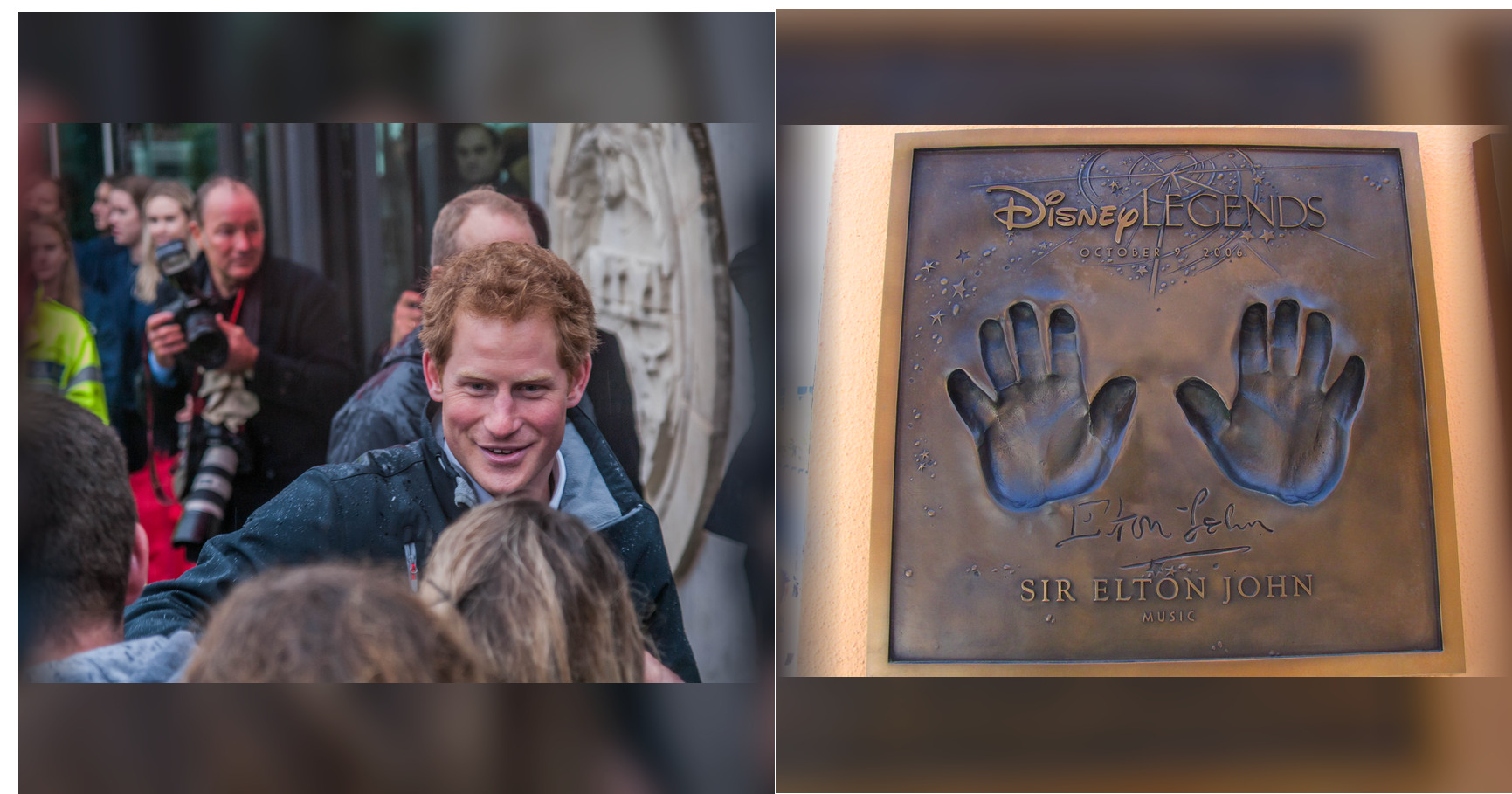
The £9.54 million interim payment is only the first stage of a potentially much larger costs dispute after seven public figures lost their case against the Daily Mail publisher. The ruling also puts fresh focus on how UK courts handle legal bills in high-stakes media litigation.
Prince Harry, Elton John and five other celebrities must pay an initial £9.54 million—about $13 million—toward Associated Newspapers Limited’s legal costs after the group lost a High Court case against the UK tabloid publisher. The claimants could ultimately face a bill of up to £34.5 million, though the final recoverable figure has not been decided.
The order follows their failed privacy case against Associated Newspapers Limited, publisher of the Daily Mail. It matters because the ruling shifts attention from the allegations themselves to the unusually high financial consequences of bringing—and losing—a complex media lawsuit in the United Kingdom.
Seven claimants face an interim bill
Judge Matthew Nicklin ordered the seven claimants to make the £9.54 million interim payment to Associated Newspapers Limited by the following Friday, according to reporting by the BBC and Reuters. An interim payment is not necessarily the final costs total; it is a payment made before the court completes the detailed process of assessing what is owed.

The group includes the Duke of Sussex, Sir Elton John and his husband David Furnish, former Liberal Democrat deputy leader Sir Simon Hughes, Baroness Lawrence, and actors Sadie Frost and Liz Hurley.
The case concerned allegations that Associated Newspapers had engaged in unlawful information-gathering. The publisher denied wrongdoing, and on July 7 Justice Nicklin dismissed the claimants’ claims.
Why the costs could rise
Associated Newspapers has said it spent more than £34 million defending the action. That does not mean the claimants automatically owe the whole amount. The court must still determine which expenses were reasonably incurred and reasonable in amount.
Justice Nicklin himself said a costs claim exceeding £34 million appeared, on its face, excessive and raised “real concerns” about whether all the sums now sought were reasonable. Still, he declined to impose a cap on what the publisher could potentially recover.
That leaves the claimants with a substantial uncertainty. The initial £9.54 million is due now, while the broader accounting exercise could decide whether their final liability is lower than, close to, or substantially shaped by the publisher’s much larger claim.
An indemnity-basis order changes the stakes
The judge also ruled that Associated Newspapers’ costs should generally be assessed on an indemnity basis, except where earlier orders already applied. In simple terms, indemnity costs can be more favorable to the winning side than the usual standard basis of assessment.
Costs awards in civil litigation are not designed as a punishment in the criminal-law sense. They are meant to compensate the successful party for recoverable spending. But the basis on which costs are assessed can make a major practical difference to how much a losing party must reimburse.
Justice Nicklin criticized the way the claimants handled serious allegations in the case, saying it was striking that none had been voluntarily withdrawn. He described that approach as “unreasonable to a high degree,” saying serious accusations should not be left unresolved if a party no longer advances them or lacks a proper evidential basis.
Insurance may not cover the exposure
The claimants had insurance covering up to £16.2 million of Associated Newspapers’ costs if they lost, according to the BBC. That coverage could soften the immediate impact, but it does not necessarily protect them from the full amount sought by the publisher.
If Associated Newspapers succeeds in recovering significantly more than the insured sum, the group could be exposed to a substantial gap. The BBC reported that this could mean an additional bill of roughly £18 million beyond the stated insurance coverage.
That contrast explains why the costs decision has become such a consequential chapter of the case. High-profile claimants can have the resources to pursue lengthy litigation, but legal insurance limits can become decisive when a court fight involves years of work, extensive evidence and a full trial.
The parties sharply dispute the outcome
Associated Newspapers welcomed the ruling in a statement, describing it as a severe criticism of what it characterized as an effort to damage the newspaper and the reputations of its journalists, editors and executives.
The claimants have taken the opposite view. In a joint statement issued after the July judgment, Prince Harry and Baroness Lawrence said they had come to court seeking justice and accountability but had received neither. They called the result a “whitewash,” a characterization Associated Newspapers rejects.
Sir Simon said he was disappointed and was considering the substantive judgment, the costs decision and whether to appeal either or both. The disagreement underscores that the case remains contested in public even after the High Court’s rulings.
Appeal window and costs hearings remain
The seven claimants have until October 2 to try to launch an appeal, according to the BBC. Any appeal process could affect the direction of the dispute, though it would not automatically erase the immediate pressure created by the interim payment order.
Complex costs hearings are now expected to continue. Those proceedings will examine the publisher’s claimed expenses in detail and determine how much should be paid under the court’s ruling.
For Prince Harry, Elton John and the other claimants, the headline figure is £9.54 million. The larger unresolved issue is whether Associated Newspapers can recover anything approaching its stated £34.5 million costs claim—and how much of any final total will fall outside the group’s insurance protection.



Leave a Reply